

India Poised to Join Elite Club of Fast Breeder Reactor Operators

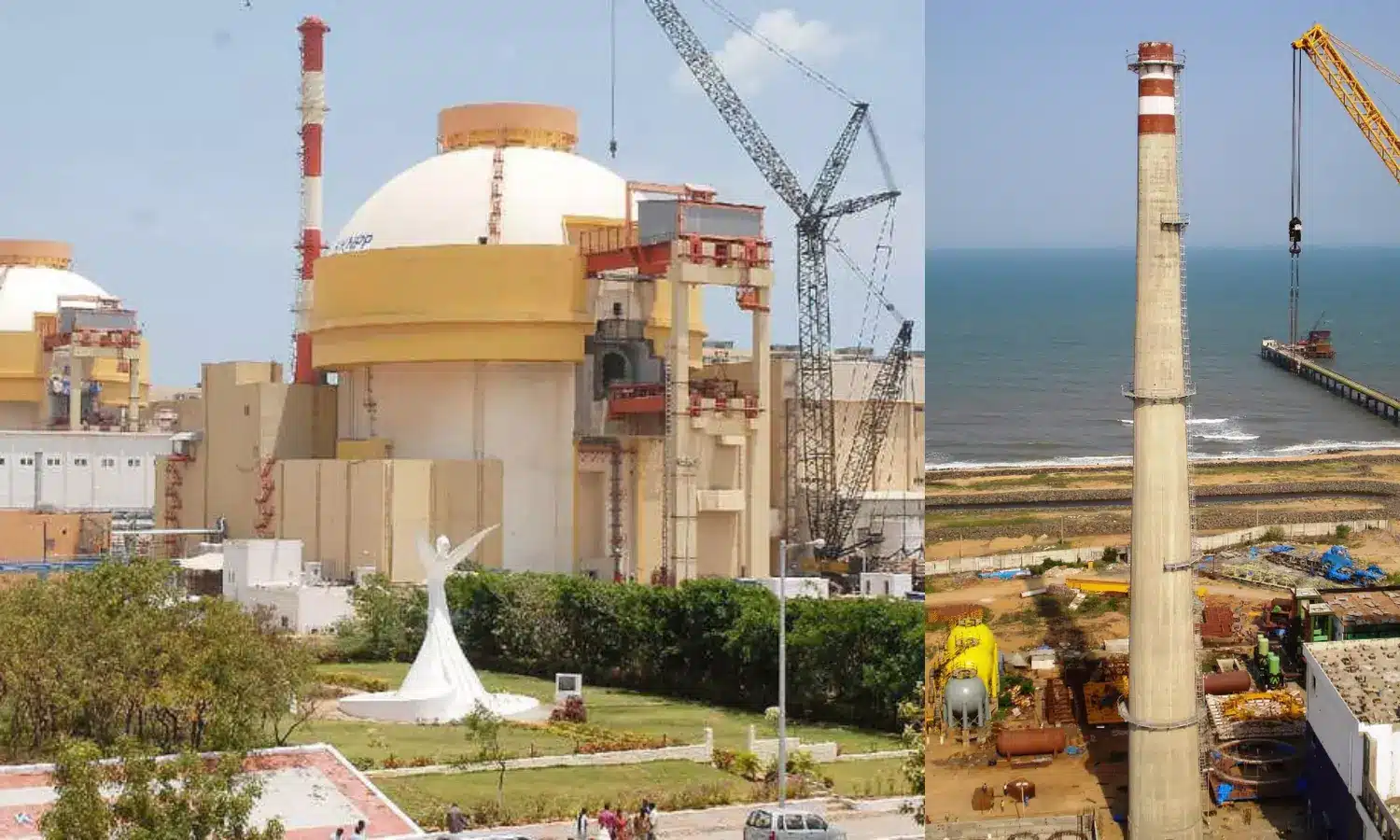
In a groundbreaking development for India’s nuclear energy sector, Union Minister Dr. Jitendra Singh announced that India will soon become the second country in the world to operate a commercial-level fast breeder reactor. This significant milestone follows the successful achievement of first criticality of the indigenously designed 500 MWe Prototype Fast Breeder Reactor (PFBR) at Kalpakkam, Tamil Nadu, which occurred on April 6, 2026.
Addressing a workshop on “Small Modular Reactors” attended by members of Parliament and state legislatures, Dr. Singh elaborated on how the PFBR, developed by the Indira Gandhi Centre for Atomic Research (IGCAR) and constructed by BHAVINI, represents a leap forward in India’s three-stage nuclear power program. Notably, this reactor utilizes a uranium-plutonium mixed oxide fuel cycle, which is designed to produce more fuel than it consumes, thereby enhancing fuel sustainability.
With the establishment of the PFBR, India is advancing towards harnessing its vast thorium reserves in the program’s third stage. Presently, India stands poised to join Russia as the only other nation operating commercial fast breeder reactors, marking a notable achievement in nuclear technology where few countries have made significant strides.
Significance of the Achievement
Dr. Singh emphasized the critical importance of this advancement, highlighting that it not only enhances the efficiency of nuclear fuel use but also paves the way for future exploration of thorium as an energy source. Historically, while several nations, including the USA, UK, France, Japan, Germany, and China, have developed or operated experimental fast reactors, many of these programs have since been halted.
A Vision for Clean Energy
Dr. Jitendra Singh reiterated the role of nuclear energy in India’s clean energy transition, aligning with the government’s ambitious target of achieving 100 GW of nuclear power capacity by 2047. He noted that the demand for reliable clean energy sources is increasing, especially in sectors such as Artificial Intelligence, data infrastructure, and advanced manufacturing.
The Minister underscored the significance of initiatives like Small Modular Reactors (SMRs) in this context, which are expected to play a crucial role in captive power generation and addressing energy needs in isolated or densely populated areas. Under the newly launched “Nuclear Mission,” the Indian government has allocated Rs 20,000 crore for the development of five SMRs by 2033.
A Balanced Energy Future
In closing, Dr. Singh reiterated the government’s vision of a well-rounded energy mix that combines nuclear, renewable, and other clean energy sources. This balanced approach is vital for achieving India’s target of Net Zero emissions by 2070, positioning the nation as a leader in the global shift towards sustainable energy solutions.
Observer Voice is the one stop site for National, International news, Sports, Editor’s Choice, Art/culture contents, Quotes and much more. We also cover historical contents. Historical contents includes World History, Indian History, and what happened today. The website also covers Entertainment across the India and World.

