

Impact of Middle East Conflict: China Increases Dependence on US Ethane with Record Imports

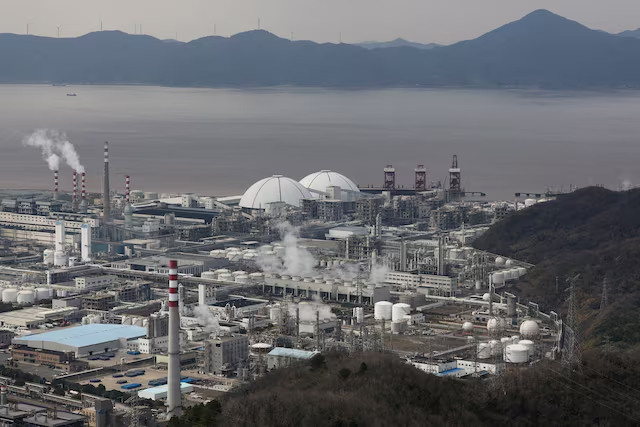
China, the world’s second-largest economy, is poised to import a record volume of US ethane this April, driven by supply disruptions stemming from the ongoing conflict in the Middle East. With imports projected to reach 800,000 tonnes—approximately 60% higher than the typical monthly average—Chinese petrochemical firms are increasingly turning to ethane as an alternative feedstock. This shift comes as the Strait of Hormuz faces effective shutdowns, impacting the availability of crucial supplies like naphtha and liquefied petroleum gas.
Record Imports Amid Supply Disruptions
Chinese consultancy JLC reports that the surge in ethane imports is a direct response to the ongoing Middle East conflict, which has disrupted traditional supply routes. As manufacturers adapt to the reduced availability of naphtha and liquefied petroleum gas, many are finding flexibility in switching to ethane. This strategic pivot allows them to mitigate the impact of supply shortages. The anticipated import volume of 800,000 tonnes for April marks a significant increase, highlighting the urgency for Chinese firms to secure alternative sources of petrochemical feedstocks.
Ethane, primarily used to produce ethylene—a key ingredient in plastics—has become increasingly vital for China’s manufacturing sector. The reliance on US ethane has intensified, especially following last year’s trade disputes that led to tighter export controls from the United States. As a result, the dynamics of energy trade between the two nations are under scrutiny, particularly as geopolitical tensions continue to evolve.
Cost Advantages and Production Margins
According to JLC analyst Shi Linlin, US ethane has emerged as the preferred choice for Chinese ethylene producers due to its consistent availability and cost-effectiveness. As of mid-April, the margins for producing ethylene from ethane were reported to be ten times higher than those derived from naphtha. The rising prices of naphtha, linked to crude oil fluctuations, have further incentivized manufacturers to pivot towards ethane.
The expansion of downstream processing capacity has also fueled demand for ethane. New facilities, such as an ethane-based unit established by Wanhua Chemical Group and a flexible-feed cracker operated by Sinopec Ineos (Tianjin) Petrochemical Co., have significantly contributed to the increase in imports this year. This trend underscores the growing importance of ethane in China’s petrochemical landscape.
Impact of Geopolitical Tensions
The ongoing conflict in the Middle East has had immediate repercussions for petrochemical feedstocks, with the International Energy Agency noting significant disruptions in supply routes to Asia. In February, over half of China’s naphtha imports and more than 40% of its liquefied petroleum gas supplies originated from Persian Gulf producers, highlighting the region’s critical role in China’s energy supply chain. As the conflict escalated, countries like Japan have had to diversify their sources for naphtha, turning to suppliers in the US and Africa.
China’s increased ethane purchases come at a pivotal time, coinciding with a planned mid-May visit by Donald Trump to Beijing. Energy trade is expected to be a key topic during discussions, and the ongoing conflict involving Iran may further elevate the significance of these trade dynamics. As the situation unfolds, the implications for both Chinese and US energy markets remain to be seen.
Future Outlook for Ethane Imports
As China navigates the complexities of its energy needs amid geopolitical tensions, the reliance on US ethane is likely to persist. The record imports this month reflect a broader trend of adaptation within the petrochemical industry, as firms seek to ensure stable production amid supply uncertainties. The strategic shift towards ethane not only highlights the evolving landscape of energy trade between China and the US but also underscores the importance of diversifying supply sources in an increasingly volatile global market. As the situation develops, stakeholders will be closely monitoring the implications for both countries’ energy strategies and economic relations.
Observer Voice is the one stop site for National, International news, Sports, Editor’s Choice, Art/culture contents, Quotes and much more. We also cover historical contents. Historical contents includes World History, Indian History, and what happened today. The website also covers Entertainment across the India and World.

