

India Embraces Circular Economy, Unlocking Value from Waste

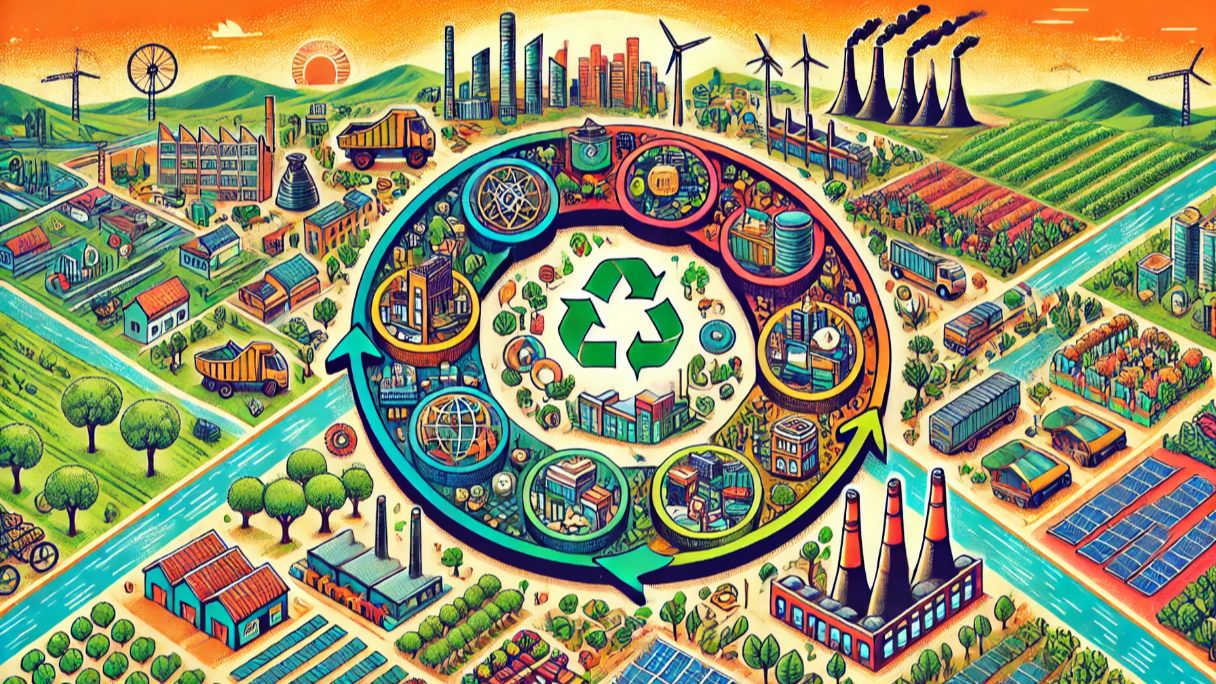
In a significant address at the 2nd edition of the Global Symposium and Awards on Resource Efficiency and Circular Economy in New Delhi, Union Minister Dr. Jitendra Singh highlighted the transformative shift towards a circular economy. He emphasized that discarded materials are increasingly recognized as sources of economic value, marking a pivotal change in how society perceives waste. Notably, Dr. Singh revealed that the government has generated over ₹4,000 crore through scrap, including e-waste, during the Swachhata campaign, showcasing the financial benefits of this paradigm shift.
Revolutionizing Industrial Growth and Sustainability
Dr. Singh pointed out that the emerging circular economy model, driven by recycling and biotechnological innovations, is redefining sustainability and industrial growth across various sectors. He noted that environmental conversations have evolved from merely focusing on preservation to acknowledging the economic aspects of sustainability.
With a growing recognition that sustainability can lead to revenue generation, the Minister underscored the increased seriousness and involvement of various stakeholders in the movement. He foresees that the next phase of industrial development will be characterized by a strong emphasis on recycling, biotechnology, and genetically engineered processes, which experts regard as foundational to the next industrial revolution.
Transitioning Waste Materials into Resources
Dr. Singh provided practical examples of how materials once considered waste, like plastics and industrial by-products, are being transformed into valuable resources such as biofuels and construction materials. Many industries that previously faced costs when disposing of these materials are now finding ways to generate economic returns.
This trend is not limited to large corporations; the circular economy provides opportunities for households, informal sectors, and startups, fostering new livelihoods and business ventures across the economic spectrum. The Minister emphasized that public participation and behavioral change are critical for large-scale transformation and encouraged collaboration between the government, industry, and civil society.
Commitment to Sustainability and Net-Zero Goals
India is redefining its economic landscape as value chains are evolving, particularly in waste management and green technologies. Dr. Singh noted that these changes are essential for India’s pledge to achieve net-zero emissions by 2070.
During the symposium, Dr. Jitendra Kumar, Managing Director of BIRAC, discussed India’s cultural strengths in circular practices and the need to modernize these practices through innovation. He reiterated BIRAC’s commitment to supporting startups in green technologies while advocating for lifecycle-based approaches and mechanisms like carbon credits.
Observer Voice is the one stop site for National, International news, Sports, Editor’s Choice, Art/culture contents, Quotes and much more. We also cover historical contents. Historical contents includes World History, Indian History, and what happened today. The website also covers Entertainment across the India and World.

