

Monsoon Forecast: Below Normal Rain Expected for India in 2026

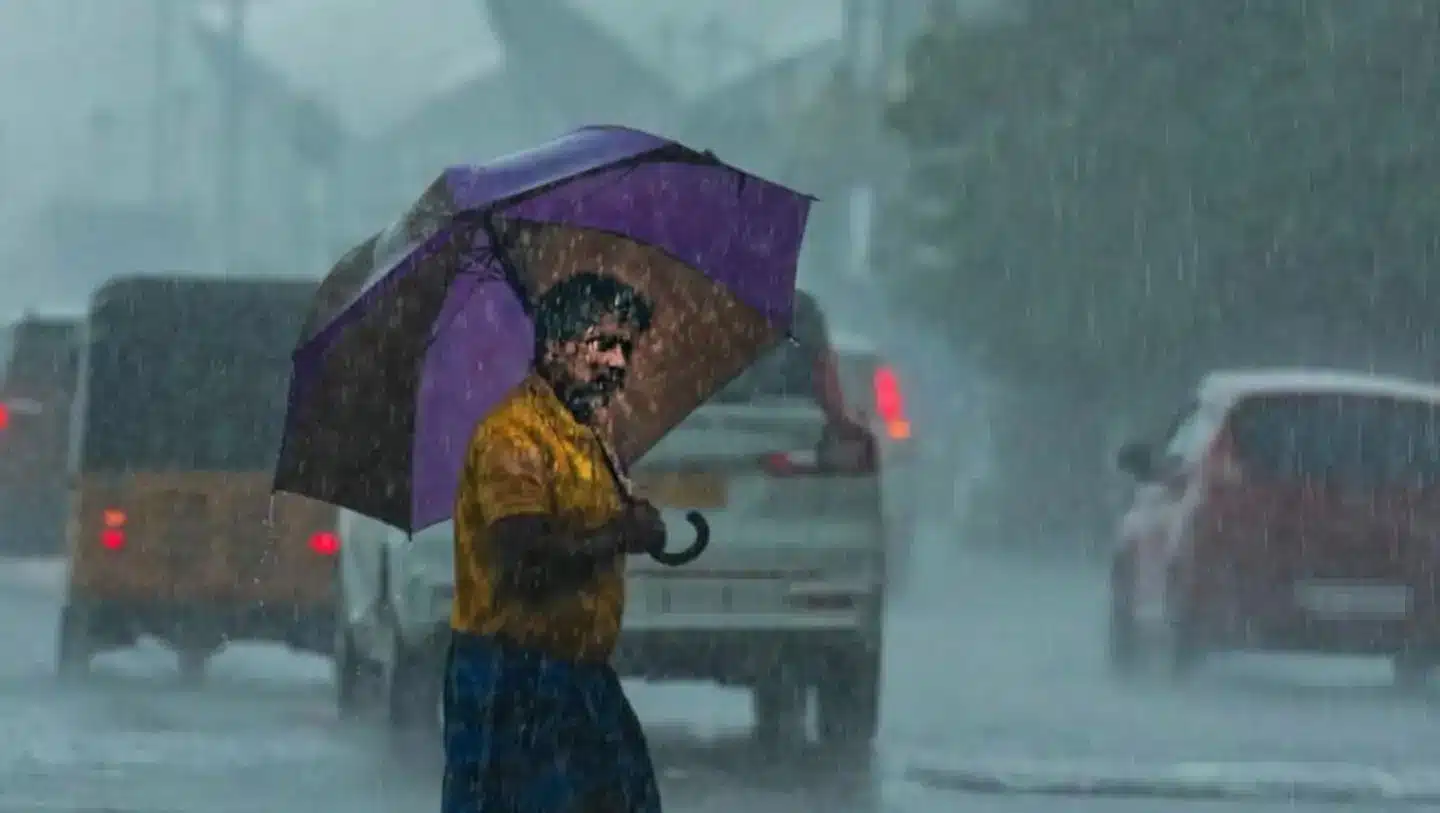
The India Meteorological Department (IMD) has unveiled its long-range forecast for the 2026 southwest monsoon season, predicting a seasonal rainfall that is expected to be about 92% of the Long Period Average (LPA) of 87 cm, with a margin of error of ± 5%. This forecast, which covers the months of June through September, indicates a high probability of below-normal rainfall across much of the country.
New Forecasting Methodology
Since its inception in 2003, IMD has provided operational forecasts for the monsoon rainfall in two stages: an initial forecast in April and an updated version by the end of May. In a decisive shift in 2021, IMD introduced a novel forecasting approach that pairs dynamical and statistical models for enhanced precision in predicting monsoon patterns. This updated strategy employs a Multi-Model Ensemble (MME) forecasting system, integrating coupled global climate models from various international forecasting centers.
April and May Forecast Highlights
The first stage of the 2026 forecast, released in mid-April, presents both quantitative and probabilistic assessments of rainfall expected across the nation. It includes a spatial breakdown of rainfall probabilities categorized as above normal, normal, and below normal. The follow-up forecast issued at the end of May offers updates, with probabilistic forecasts tailored to four distinct regions of India: northwest, central, south peninsula, and northeast India, in addition to the monsoon core zone.
Seasonal Rainfall Predictions
According to the updated predictions, the likelihood of below-normal rainfall is significantly higher compared to historical trends. The specific forecast indicates a 35% chance of deficient rainfall, defined as anything below 90% of the LPA, and a 31% chance of below-normal rainfall, categorized between 90% and 95% of the LPA. In contrast, the chances of above-normal and excess rainfall are considerably lower, at 6% and 1%, respectively.
Impact of Oceanic Conditions
The forecast also considers the influences of oceanic conditions on monsoon behavior. Currently, the equatorial Pacific exhibits weak La Niña characteristics, which are expected to transition to ENSO-neutral conditions by mid-2026. Meanwhile, in the Indian Ocean, neutral Dipole conditions are anticipated, likely shifting to positive Dipole conditions towards the end of the monsoon season. Both sea surface temperature patterns play a crucial role in determining the forthcoming rainfall.
Snow Cover Effects
Recent data indicates that snow cover in the Northern Hemisphere has been slightly below normal. This decline correlates inversely with seasonal rainfall patterns in India, suggesting that past winter and spring snow extents have a bearing on the subsequent monsoon outcomes.
As IMD continues to monitor evolving conditions in oceanic systems and snow coverage, the forecast remains essential for agriculture and water resource management across India in the important months ahead.
Observer Voice is the one stop site for National, International news, Sports, Editor’s Choice, Art/culture contents, Quotes and much more. We also cover historical contents. Historical contents includes World History, Indian History, and what happened today. The website also covers Entertainment across the India and World.

