

PM-SETU Scheme Enhances Vocational Training in India

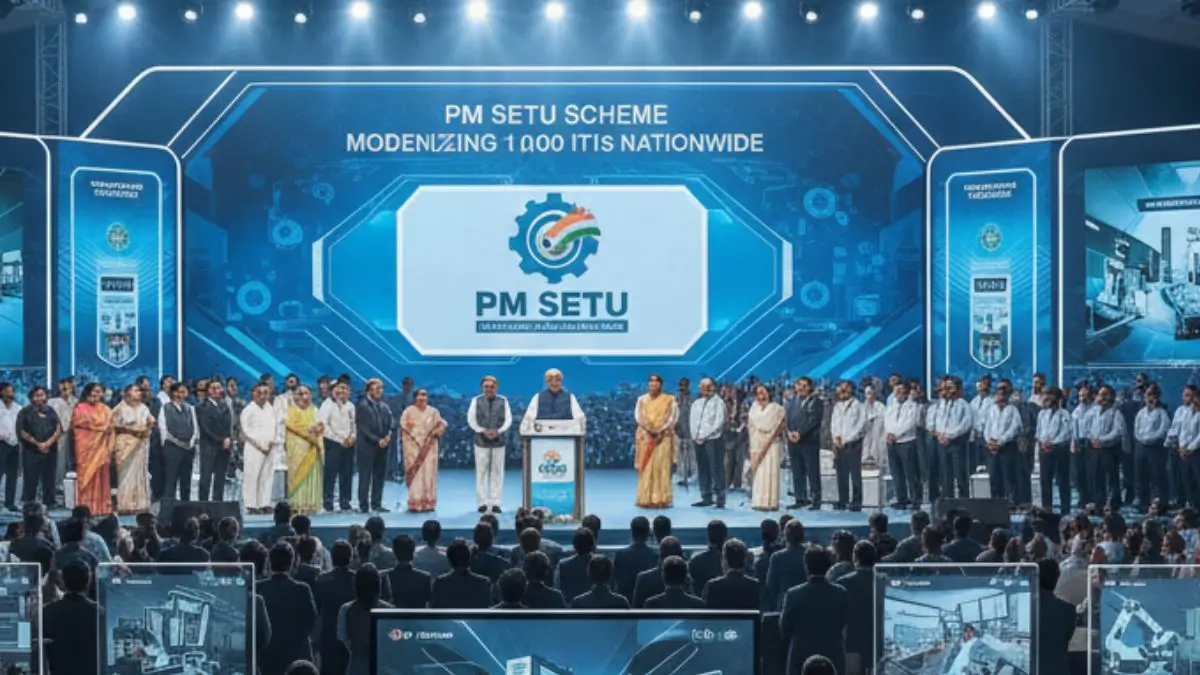
The Indian government has announced the Pradhan Mantri Skilling and Employability through Upgraded ITIs (PM-SETU) scheme, aimed at improving the quality and relevance of vocational training across the nation. This initiative focuses on modernizing the labs, machinery, and curriculum of Industrial Training Institutes (ITIs), ensuring alignment with industry requirements.
The PM-SETU scheme has several key objectives. It seeks to enhance the training delivery methods in ITIs and National Skill Training Institutes (NSTIs). Additionally, the scheme aims to modernize infrastructure and equipment to meet current industry standards, introduce industry-relevant long and short-term courses—especially in emerging sectors—and strengthen industry relationships to enhance employment outcomes. Crucially, it also works to bolster the capacity of NSTIs, especially in training future trainers.
Components of the Scheme
This comprehensive scheme consists of two components. The first includes the upgradation of 1,000 government ITIs, along with 200 Hub ITIs and 800 Spoke ITIs, utilizing a Hub and Spoke model. This component will encompass the development of smart classrooms, modern laboratories, digital content, and new courses tailored to industry needs.
The second component focuses on enhancing the capacity of five selected NSTIs located in Bhubaneswar, Chennai, Hyderabad, Kanpur, and Ludhiana. This part of the scheme will also establish sector-specific National Centres of Excellence for skill development, promoting advanced training for trainers with a focus on global partnerships.
Financial Backing
PM-SETU is a Centrally Sponsored Scheme with a budget of ₹60,000 crores. This includes a central share of ₹30,000 crores, a state share of ₹20,000 crores, and ₹10,000 crores from industry contributions. Notably, the Asian Development Bank and the World Bank will co-finance up to 50% of the central share.
Implementation Framework
The selection of ITIs under the PM-SETU scheme is primarily guided by state and union territory governments in consultation with industries, ensuring that the skills imparted align with current market demands. The Ministry of Skill Development and Entrepreneurship (MSDE) has set up a National Steering Committee (NSC) to oversee the scheme and ensure its effective implementation. In addition, each state has formed a State Steering Committee (SSC) to promote local governance and oversight.
The state of Karnataka has already identified two clusters for the PM-SETU initiative, comprising Hub and Spoke ITIs in Bengaluru and Kalaburagi. Karnataka has initiated an Expression of Interest (EOI) process to invite industry proposals to support these upgrades. Currently, there are no pending proposals awaiting approval from the NSC.
Monitoring Progress
Progress under the PM-SETU scheme is assessed via six Disbursement Linked Indicators (DLIs), which are regularly reviewed through third-party verification conducted by the Indian Institute of Management Indore. These indicators include improvements in employment outcomes for graduates of supported ITIs, enhanced access to quality training, strengthened governance and management within these institutions, improved state governance for the ITI ecosystem, and elevated quality of training at NSTIs.
Observer Voice is the one stop site for National, International news, Sports, Editor’s Choice, Art/culture contents, Quotes and much more. We also cover historical contents. Historical contents includes World History, Indian History, and what happened today. The website also covers Entertainment across the India and World.

