

Gas Supply Shortage Raises Concerns for Air Conditioning Manufacturers Before Peak Season

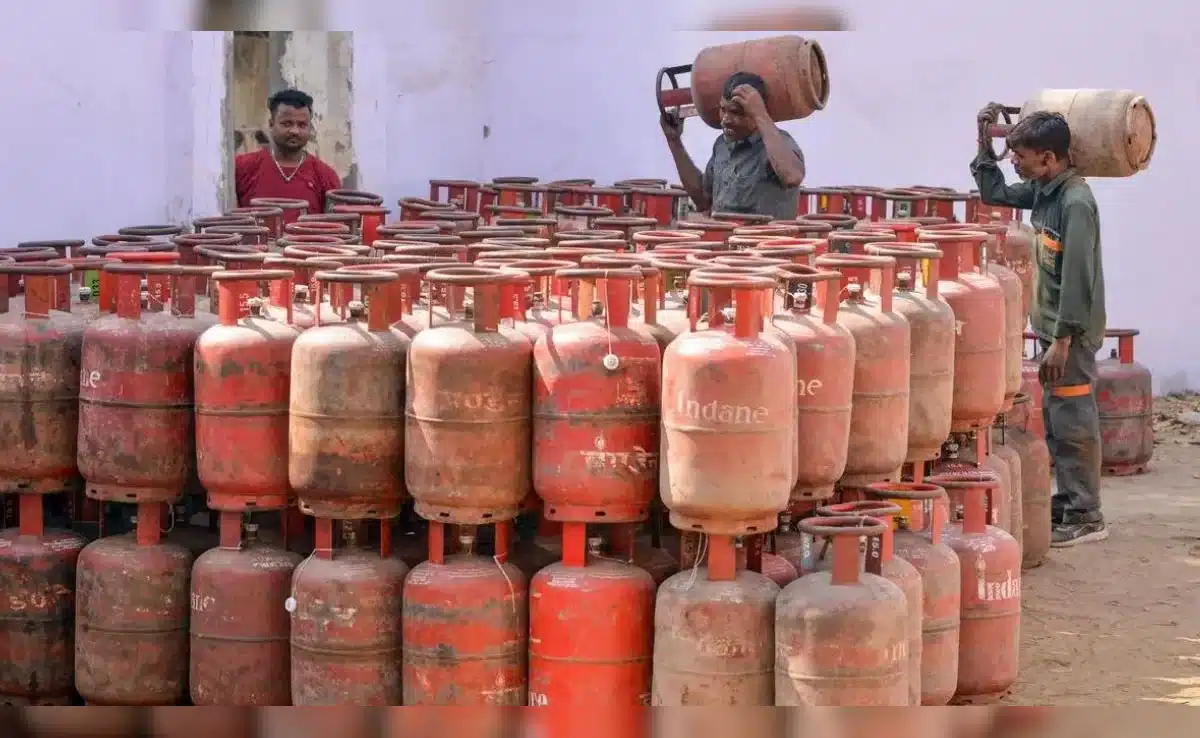
Ahead of the peak summer season, consumer durable companies, particularly air conditioner (AC) manufacturers, are facing challenges due to the ongoing conflict in West Asia. The war has led to restricted supplies of liquefied petroleum gas (LPG) and a shortage of petrochemicals, both essential for AC production. While there are currently no major disruptions, industry executives warn that continued supply issues could impact production and lead to higher prices for consumers already facing increased costs for new AC units.
Production Challenges Amid Geopolitical Tensions
The geopolitical situation in the Middle East has begun to create supply-side constraints for manufacturers of air conditioning units. Vikas Gupta, Managing Director of PG Electroplast, highlighted that the availability of LPG and piped natural gas (PNG) is critical for various manufacturing processes, including the brazing of copper and curing of powder coatings. Additionally, the scarcity of petrochemicals, which are vital for producing polymers used in AC components, is causing disruptions in daily production. Gupta expressed hope that the situation would improve before the summer demand peaks, as rising temperatures in India and potential El Niño conditions could lead to increased consumer demand for cooling solutions.
Impact on Material Supply and Costs
Kamal Nandi, the business head and Executive Vice President at Godrej Enterprises Group, noted that the limited supply of LPG and key plastic raw materials, such as polypropylene and polystyrene, has resulted in significant price increases. The company is actively working with vendors to optimize procurement strategies to ensure production continuity. Meanwhile, Ajay Singhania, Managing Director and CEO of Epack Durable, mentioned that the company is exploring alternative methods for brazing copper, although this may increase production costs. While production has not yet been affected, gas agencies have warned of potential challenges if the supply crunch persists.
Price Hikes and Consumer Concerns
The air conditioning industry is already grappling with price increases due to new energy regulations, which have raised AC prices by approximately 5%. Additionally, commodity costs are expected to drive prices up by another 8% to 10%. B. Thiagarajan, Managing Director at Blue Star, expressed concerns about the industry’s vulnerability to supply disruptions, particularly as about 88% of India’s LPG imports come from the Middle East, accounting for roughly 54% of the nation’s total LPG demand. Sumit Pokharna, Vice President of fundamental research at Kotak Securities, warned that if disruptions continue, the supply gap could become significant, further burdening consumers.
Future Outlook for the AC Market
As the summer season approaches, the outlook for the air conditioning market remains uncertain. Manufacturers are closely monitoring the geopolitical situation and its impact on supply chains. With temperatures already rising in parts of India, the demand for AC units is expected to increase. Industry leaders are hopeful that the situation will stabilize, allowing them to meet consumer needs without further escalating prices. However, the ongoing challenges highlight the interconnectedness of global supply chains and the potential repercussions of geopolitical events on local markets.
Observer Voice is the one stop site for National, International news, Sports, Editor’s Choice, Art/culture contents, Quotes and much more. We also cover historical contents. Historical contents includes World History, Indian History, and what happened today. The website also covers Entertainment across the India and World.
Follow Us on Twitter, Instagram, Facebook, & LinkedIn

