

Middle East Conflict Triggers Panic on Dalal Street: Iran and US-Israel Tensions Lead to Significant Decline

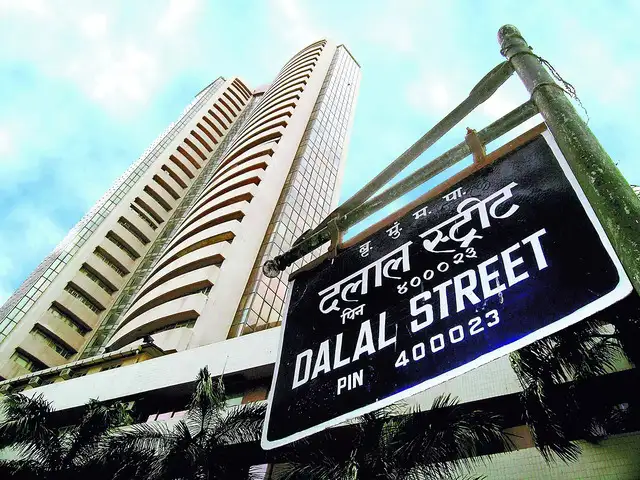
India’s stock markets have recently experienced a significant downturn, losing nearly $240 billion in investor wealth within a week. This sharp decline is attributed to escalating geopolitical tensions stemming from the ongoing conflict between Iran and the US-Israel alliance. The turmoil has not only affected investor sentiment but has also raised concerns about the broader economic implications, particularly in a country like India, which is heavily reliant on global trade and energy supplies.
A Sudden Shock to Investor Wealth in India
The recent market slump has led to a dramatic decrease in the market capitalization of Indian equities. Investors, reacting to the heightened geopolitical tensions, have rushed to sell off riskier assets, resulting in substantial losses across various sectors. Reports indicate that investor wealth has diminished by tens of trillions of rupees since the onset of the conflict, reflecting a pervasive sense of panic in the financial markets.
Nilesh Shah, Managing Director of Kotak Mahindra Asset Management Company, emphasized that global uncertainty often compels investors to reduce their exposure to riskier markets. He noted that geopolitical developments can lead to sharp shifts in capital flows as investors reassess their risks. This sentiment has been echoed by many analysts, who highlight the fragile relationship between global geopolitics and financial markets, particularly in emerging economies like India.
The sell-off has sent shockwaves through Dalal Street, with benchmark indices experiencing significant declines. Investors are now faced with the challenge of reassessing their risk profiles in light of the ongoing geopolitical instability.
Iran vs. US-Israel War Sends Oil Prices Soaring
At the core of the market volatility is the escalating conflict in West Asia, which has resulted in a surge in global oil prices. Crude oil prices have surpassed $100 per barrel, raising alarm over inflation, energy security, and trade deficits for oil-importing nations like India. Dr. Indranil Pan, Chief Economist at Yes Bank, warned that sustained increases in crude oil prices could exacerbate India’s current account deficit and create inflationary pressures.
As the world’s third-largest importer of crude oil, India is particularly vulnerable to fluctuations in energy prices. Rising oil costs not only increase transportation and manufacturing expenses but also lead to higher consumer prices, ultimately dampening economic growth prospects. The situation is further complicated by fears of potential disruptions in the Strait of Hormuz, a critical shipping route for global oil supply. If the conflict escalates and shipping routes are affected, energy prices could rise even more sharply, compounding the economic challenges facing India.
Foreign Investors in India Pull Out Billions Amid Iran vs. US-Israel War
The market downturn has been exacerbated by significant withdrawals of foreign investment from Indian equities. Foreign portfolio investors (FPIs) have pulled out approximately ₹52,704 crore (around $5.7 billion) from Indian stocks in just the first half of March. Andrew Holland, CEO of Avendus Capital Public Markets Alternate Strategies, noted that during periods of heightened geopolitical risk, global investors often shift their capital away from emerging markets toward safer assets.
This trend of capital outflows can amplify market volatility, particularly since foreign institutional investors hold substantial positions in Indian equities. Rapid sell-offs by these investors can lead to sharp declines in stock prices. Additionally, the withdrawal of foreign capital has put pressure on the Indian rupee, which typically weakens when foreign investment decreases.
Despite the significant outflows, domestic institutional investors, including mutual funds and insurance companies, have continued to buy stocks in an effort to stabilize the market. However, analysts caution that domestic buying may not be sufficient to counterbalance the heavy foreign outflows if geopolitical tensions persist.
Broad-Based Losses Across Sectors in India Amid Iran vs. US-Israel War
The downturn in the Indian stock market has not been confined to a single sector; instead, it has resulted in widespread losses across the economy. Financial stocks, which typically dominate Indian indices, have been particularly hard hit, with banking shares experiencing sharp declines as investors express concerns about the potential impact of slower economic growth.
The automobile sector has also faced significant challenges, recording one of its worst weekly performances in years. Rising fuel costs and economic uncertainty are likely to reduce consumer spending on major purchases like vehicles. Infrastructure and aviation stocks have similarly come under pressure, as investors anticipate higher operating costs due to escalating energy prices.
The current market turmoil in India reflects a broader pattern of volatility across global financial markets. Geopolitical conflicts often prompt investors to seek refuge in safer assets, leading to capital outflows from emerging markets. As the situation unfolds, the future direction of Indian markets will largely depend on developments in the Middle East and global energy prices.
Observer Voice is the one stop site for National, International news, Sports, Editor’s Choice, Art/culture contents, Quotes and much more. We also cover historical contents. Historical contents includes World History, Indian History, and what happened today. The website also covers Entertainment across the India and World.
Follow Us on Twitter, Instagram, Facebook, & LinkedIn

