

Middle East Conflict Compels Indian Exporters to Reroute Shipments and Manage Increased Costs

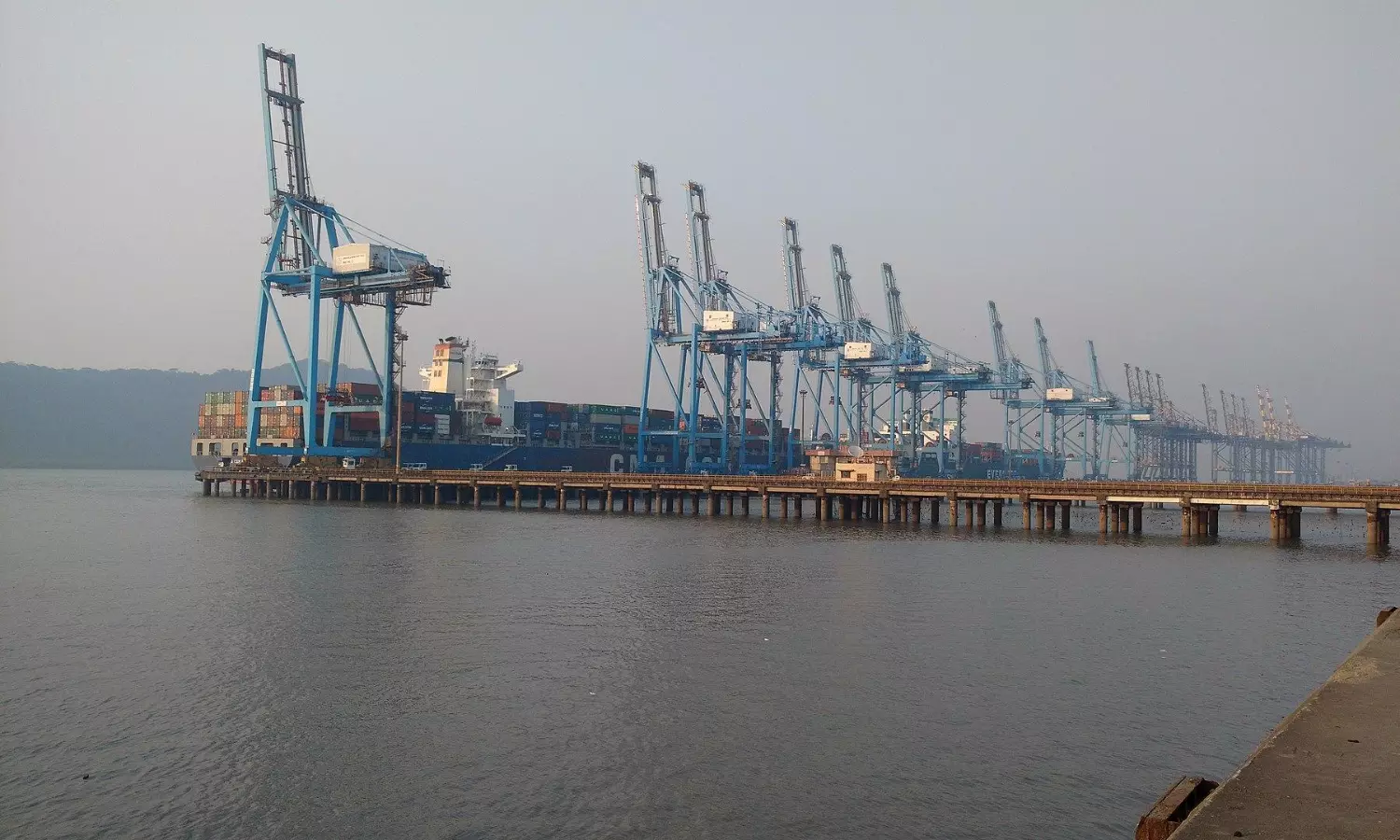
Indian exporters and logistics providers are facing significant challenges due to escalating tensions in the Middle East, particularly around the Strait of Hormuz. In response to rising freight rates, insurance costs, and extended transit times, businesses are adapting their strategies by closely monitoring shipping carriers, planning shipments earlier, and exploring alternative routes. The Federation of Indian Export Organisations (FIEO) has expressed concerns about the situation, emphasizing the need for fair practices among shipping lines during this turbulent period.
Exporters Shift Routes Amid Rising Costs
As the geopolitical climate in the Middle East continues to deteriorate, Indian exporters are increasingly rerouting their shipments to avoid the conflict zones. Many shipping lines are now opting to navigate around the Cape of Good Hope, which adds approximately 3,500 nautical miles to their journeys. This diversion not only delays shipments by 10 to 15 days but also significantly increases fuel and insurance costs. Industry experts warn that these longer voyages could lead to tighter availability of vessels and containers, further driving up freight rates. Ramesh Kumar Juneja, Chairman of the Council for Leather Exports, noted that shipments to the Persian Gulf have “stopped completely,” highlighting the severe impact of the ongoing conflict. Insurance premiums have surged, with costs rising by $1,200 for a 20-foot container and $2,400 for a 40-foot container, placing additional financial strain on exporters.
Apparel and Manufacturing Sectors Under Pressure
The apparel industry is particularly vulnerable to the fallout from the Middle East conflict. Experts predict a decline in export orders to the region as war-affected markets struggle and consumer demand diminishes. Approximately 11.8% of India’s apparel exports are directed to Middle Eastern countries impacted by the conflict. In the fiscal year 2024-25, India’s ready-made garment exports to eight key markets, including the UAE and Saudi Arabia, reached $1.9 billion, a slight increase from $1.82 billion in the previous year. However, the ongoing disruptions could lead to shortages of essential raw materials, such as synthetic fabrics and embellishments, which are crucial for textile manufacturers. This situation may ultimately result in higher production costs and affect the pricing of final products.
Government Considers Support Measures
In light of the challenges faced by exporters, the Indian government is exploring various support measures to mitigate the impact of rising costs and logistical disruptions. Businesses have called for regular advisories and better engagement with shipping lines to address surcharges and ensure the availability of vessels and containers. The commerce department is prioritizing the shipment of perishables, even considering air transport, and is examining potential insurance support for exporters. Officials are also assessing the feasibility of rerouting goods through alternative ports in the Middle East. A senior government official acknowledged that there would be “some impact” on trade data in the coming month, but exporters have been encouraged to seek opportunities in other markets to offset potential losses. An inter-ministerial group is actively monitoring the situation and coordinating with exporters to provide necessary assistance.
Observer Voice is the one stop site for National, International news, Sports, Editor’s Choice, Art/culture contents, Quotes and much more. We also cover historical contents. Historical contents includes World History, Indian History, and what happened today. The website also covers Entertainment across the India and World.

