

LPG Supply Shortage Impacts Restaurants, Raising Concerns Over Potential Closures

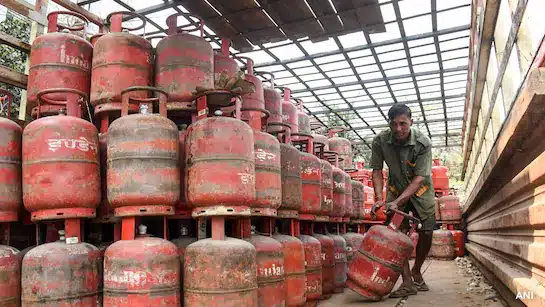
For restaurants across India, the ongoing LPG supply crisis, exacerbated by the conflict in West Asia, is threatening operations and forcing many establishments to consider temporary closures. As a result, numerous eateries are transitioning to induction cookers and limiting their menu offerings. Smaller restaurants, particularly in cities like Chennai, are feeling the pinch, with some already shutting down due to a lack of gas supply. Industry leaders are voicing concerns about the long-term impact on their businesses if the situation does not improve soon.
Impact on Smaller Establishments
The LPG supply shortage is hitting smaller restaurants particularly hard. In Chennai, several small eateries have already closed their doors, according to Ravi Muthukrishnan, chairman of Vasanta Bhavan Hotels and president of the Channel Hotels Association. He noted that many dishes, especially those requiring slow cooking, are heavily reliant on gas. “LPG cylinders have not been available since the past two days,” Muthukrishnan stated, highlighting the urgency of the situation. The crisis is not limited to Chennai; cities like Bengaluru and parts of Delhi and Kolkata are also facing significant disruptions in gas supply, affecting various restaurant operations.
Adaptation Strategies
In response to the LPG shortage, some restaurant owners are adapting by utilizing induction cookers and rice cookers. Anjan Chatterjee, founder of Speciality Restaurants, which operates brands like Mainland China and Oh! Calcutta, expressed concern about the impact on their operations. “About 70% of my food is Chinese. For that, we need high-pressure gas burners. No gas, no cooking,” he explained. If the supply does not stabilize soon, many restaurants may have to shut down, further exacerbating the challenges they face. The situation is critical, with companies scrambling to find alternative solutions to keep their businesses afloat.
Financial Pressures Mounting
The dwindling gas supply is not just a logistical issue; it is also creating financial strain for restaurant owners. Pawan Shahri, co-founder of Chrome Asia Hospitality, which owns brands like Gigi and Donna Deli, emphasized the urgency of the situation. With final advance tax payments and liquor license renewals approaching, the pressure on cash flow is intensifying. “We are assessing all possible options to keep the business floating,” Shahri said, underscoring the precarious nature of restaurant operations that rely on consistent monthly cash flow.
Menu Restrictions and Future Outlook
As the crisis continues, some restaurants are already restricting their menu items to cope with the gas shortage. Debaditya Chaudhury, managing director at Chowman, noted that their establishments in Mumbai and Bengaluru are facing supply challenges. If the situation worsens, they may have to limit menu offerings further. Restaurateur Pranav Rungta, who operates in Mumbai, has also shifted to electric cookers for non-essential cooking. “The available commercial LPG cylinders are first being provided to establishments such as schools and hospitals,” he explained. While the major wedding season has passed, providing some relief, the future remains uncertain for many in the restaurant industry as they navigate these challenges.
Observer Voice is the one stop site for National, International news, Sports, Editor’s Choice, Art/culture contents, Quotes and much more. We also cover historical contents. Historical contents includes World History, Indian History, and what happened today. The website also covers Entertainment across the India and World.
Follow Us on Twitter, Instagram, Facebook, & LinkedIn

