

Outdated Employment Regulations for Women May Hinder India’s Economic Growth Amidst Aging Population

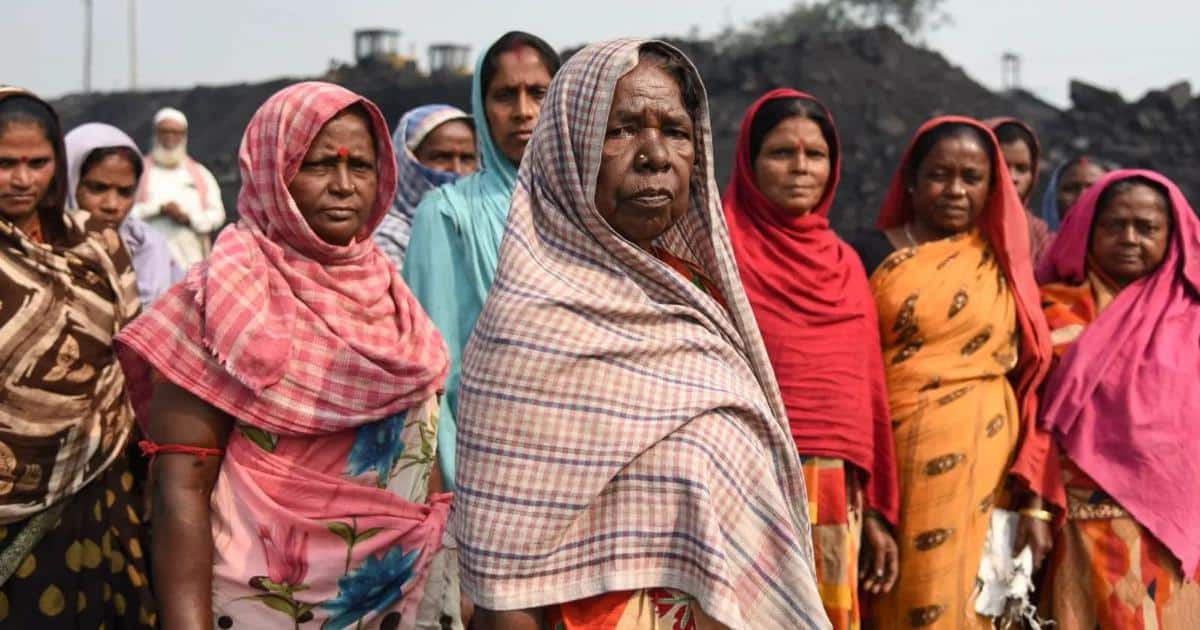
India is at a critical juncture where increasing women’s participation in the labor force is essential for sustaining economic growth over the next decade, according to a recent report by Axis Bank. The study, titled “The Missing Half,” highlights that India is likely to age rapidly before achieving significant wealth due to declining fertility rates. This demographic shift necessitates greater involvement of women in the workforce to meet the country’s macroeconomic goals and maintain robust growth.
Barriers to Women’s Employment
Neelkanth Mishra, chief economist at Axis Bank, emphasizes that outdated restrictions on women’s employment must be removed to enhance their participation in the workforce. He points out that many of these barriers are artificial and no longer serve their original purpose. For instance, regulations that prevent women from working with hazardous substances or in certain industries, such as alcohol and chemicals, limit their job opportunities. Mishra argues that these rules, which may have been relevant in the past, now act as unnecessary constraints on women’s employment.
Additionally, the regulatory framework surrounding women’s work has become increasingly complex, with rules that hinder migrant women and those on contracts from accessing specific jobs. Mishra questions the rationale behind these regulations, stating that they are outdated and restrict women’s ability to contribute to the economy. He also notes that until recently, women were not allowed to work night shifts in many service-sector roles, which further limits their employment options in modern industries.
The Need for Structural Reform
Mishra warns against relying on small incentives as a solution to increase women’s labor force participation. He critiques policy measures that offer fiscal incentives for registering assets in a woman’s name, arguing that these approaches do not effectively address the underlying issues. Instead, he advocates for structural reforms that focus on removing barriers to women’s employment and allowing market forces to create opportunities.
He believes that the most impactful interventions are those that eliminate restrictions and enable markets to function freely. By doing so, opportunities for women will naturally arise, leading to a more efficient and sustainable approach to increasing their participation in the workforce. Mishra’s perspective highlights the importance of addressing systemic issues rather than implementing superficial incentives.
Implications for Economic Growth
The report underscores the urgency of increasing women’s labor force participation as India faces a narrowing window for rapid economic growth. With the demographic transition accelerating, the pace of labor force expansion is projected to slow significantly to just 0.4% within the next decade. To sustain a real GDP growth rate of 7%, India must raise the current rate of worker participation in paid employment from 47% to 60%.
This shift is not only crucial for economic stability but also for harnessing the potential of half the population. By empowering women to join the workforce, India can leverage their skills and talents, ultimately driving economic growth and improving overall societal well-being. The Axis Bank report serves as a call to action for policymakers to prioritize women’s employment and dismantle the barriers that hinder their participation in the labor market.
Observer Voice is the one stop site for National, International news, Sports, Editor’s Choice, Art/culture contents, Quotes and much more. We also cover historical contents. Historical contents includes World History, Indian History, and what happened today. The website also covers Entertainment across the India and World.

