

NGT Approves Great Nicobar Project Worth Rs 90,000 Crore: Key Factors Behind Its Potential Impact

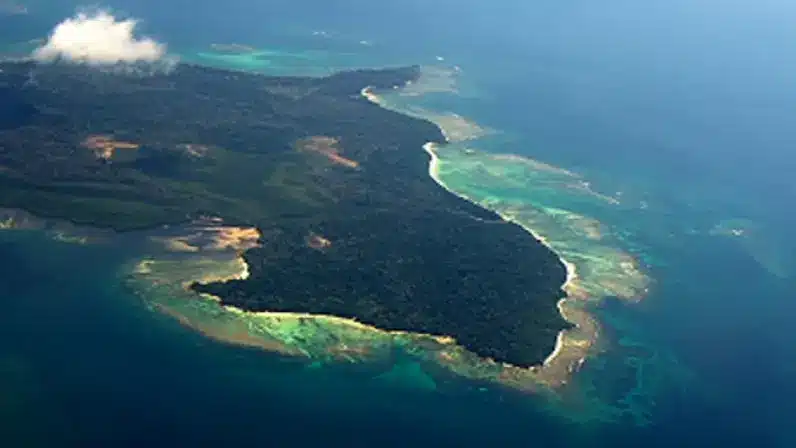
The National Green Tribunal (NGT) has approved the Centre’s ambitious Great Nicobar infrastructure project, valued at over Rs 90,000 crore. This decision comes after the tribunal found that the environmental clearance granted in 2022 was adequately supported by necessary safeguards. The NGT dismissed multiple petitions challenging the clearance, asserting that the concerns raised had already been addressed by a high-powered committee established in 2023 to reassess the project’s approval.
Approval of Environmental Clearance
The NGT’s ruling allows the Great Nicobar project to move forward, emphasizing the importance of strict adherence to the environmental clearance (EC) conditions. The tribunal noted that the safeguards in place are sufficient to mitigate potential environmental impacts. In its decision, the NGT stated, “We find adequate safeguards in the EC conditions. The remaining issues flagged earlier have been addressed by the High-Powered Committee.” This ruling follows an earlier affirmation of the environmental clearance in April 2023, where the tribunal had also established the committee to evaluate outstanding concerns.
Strategic Importance of the Project
The tribunal highlighted the strategic significance of the Great Nicobar project, particularly in enhancing India’s presence in the Indian Ocean region. The NGT pointed out that the project is crucial for countering the growing influence of foreign powers in the area. The tribunal’s ruling reflects a broader geopolitical context, as the project aims to establish a new economic hub in the Indian Ocean, which is increasingly becoming a focal point of strategic interests for both India and China.
Project Details and Environmental Concerns
The Great Nicobar project is set to be developed near Galathea Bay and includes plans for a container transshipment port, a dual-use civil-military airport, and an integrated township covering 166 square kilometers. However, the project necessitates the diversion of approximately 130 square kilometers of forest land on the island, which is recognized as a biodiversity hotspot. This area is home to various endangered species, including the Nicobar megapode, leatherback turtle, and Nicobar macaque, raising concerns among environmentalists about the potential ecological impact of the development.
Geopolitical Context and Future Implications
The NGT’s order also referenced the geopolitical implications of the project, noting that the area is part of China’s “string of pearls” strategy. This strategy is perceived as a challenge to India’s interests in the region, prompting Indian authorities to respond through initiatives like the Great Nicobar project under the “Act East” policy. A pre-feasibility report from March 2021 indicated that the project aims to bolster national security and enhance India’s strategic position in the Indian Ocean, which is a critical shipping route connecting major ports in Colombo, Port Klang, and Singapore. The tribunal’s decision marks a significant step in advancing India’s infrastructure and security objectives in this vital maritime region.
Observer Voice is the one stop site for National, International news, Sports, Editor’s Choice, Art/culture contents, Quotes and much more. We also cover historical contents. Historical contents includes World History, Indian History, and what happened today. The website also covers Entertainment across the India and World.
Follow Us on Twitter, Instagram, Facebook, & LinkedIn

