

India Enhances Groundwater Management with Advanced Technology

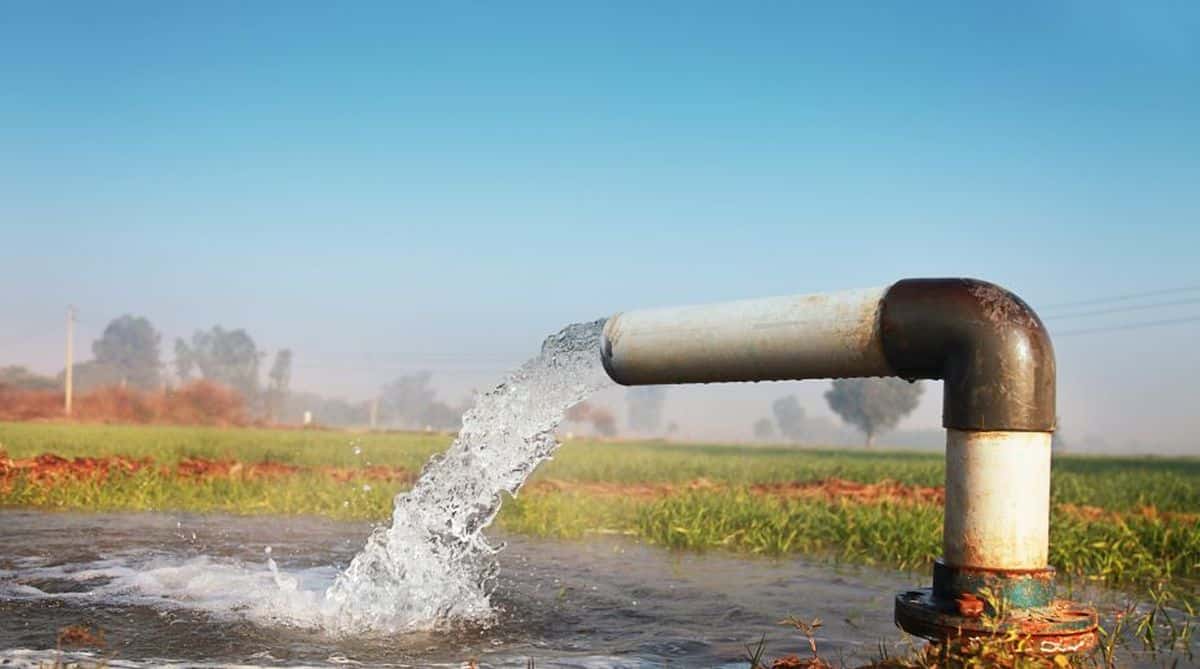
The Ministry of Jal Shakti is implementing cutting-edge digital technologies to monitor groundwater resources throughout India effectively. This initiative is part of various schemes, including the Ground Water Monitoring & Regulation (GWM & R) Scheme, National Hydrology Project (NHP), and Atal Bhujal Yojana. The deployment of Digital Water Level Recorders (DWLRs) equipped with telemetry systems has been established in numerous locations, ensuring nearly comprehensive coverage across all states and Union Territories.
The telemetry-enabled DWLRs provide real-time data on groundwater levels and quality, offering a detailed view of the nation’s groundwater situation. Annually, the Central Ground Water Board (CGWB), in collaboration with state governments, assesses the dynamic groundwater resources to identify water-stressed blocks and areas, sharing the crucial findings with stakeholders, including authorities involved in the Jal Jeevan Mission. This collaboration aims to aid in policy planning and targeted interventions.
Key Initiatives to Promote Sustainable Groundwater Management
While water management is primarily a state responsibility, the Central Government supports state efforts through various technical and financial schemes. Significant initiatives to ensure sustainable groundwater use include:
- The Jal Shakti Abhiyan (JSA) is a flagship campaign launched to enhance water and groundwater resources across the country, implementing various recharge and conservation projects in conjunction with central and state schemes.
- To strengthen JSA’s objectives, the Jal Sanchay Jan Bhagidari (JSJB) initiative has been introduced, promoting mass rainwater harvesting and community ownership of local water issues, thereby fostering cost-effective solutions specific to regional challenges.
- Mission Amrit Sarovar aims to develop or rejuvenate water bodies in every district, resulting in the construction of nearly 69,000 Amrit Sarovars nationwide.
- The CGWB regularly generates data on groundwater quality to address contamination challenges, disseminating this information through reports and alerts for prompt action by stakeholders.
- According to guidelines established in September 2020, industries seeking a No Objection Certificate (NOC) from CGWB must implement well-head protection measures and refrain from injecting industrial waste into aquifers.
- The Atal Bhujal Yojana has been a successful initiative in promoting community-led groundwater management, empowering local populations through education in sustainable practices.
- Moreover, the Department of Agriculture & Farmers’ Welfare has been implementing the Per Drop More Crop (PDMC) scheme since 2015, which aims to optimize water use through micro-irrigation techniques and improved water management practices on farms.
These initiatives reflect the Indian government’s commitment to sustainable water resource management and the ongoing efforts to ensure the long-term availability and quality of groundwater resources. The information was shared by Shri Raj Bhushan Choudhary, the Minister of State for Jal Shakti, in a written response to a question posed in the Rajya Sabha.
Observer Voice is the one stop site for National, International news, Sports, Editor’s Choice, Art/culture contents, Quotes and much more. We also cover historical contents. Historical contents includes World History, Indian History, and what happened today. The website also covers Entertainment across the India and World.

