

Understanding the India-US Trade Deal: Implications for the Economy, Markets, and Russian Oil Imports Explained

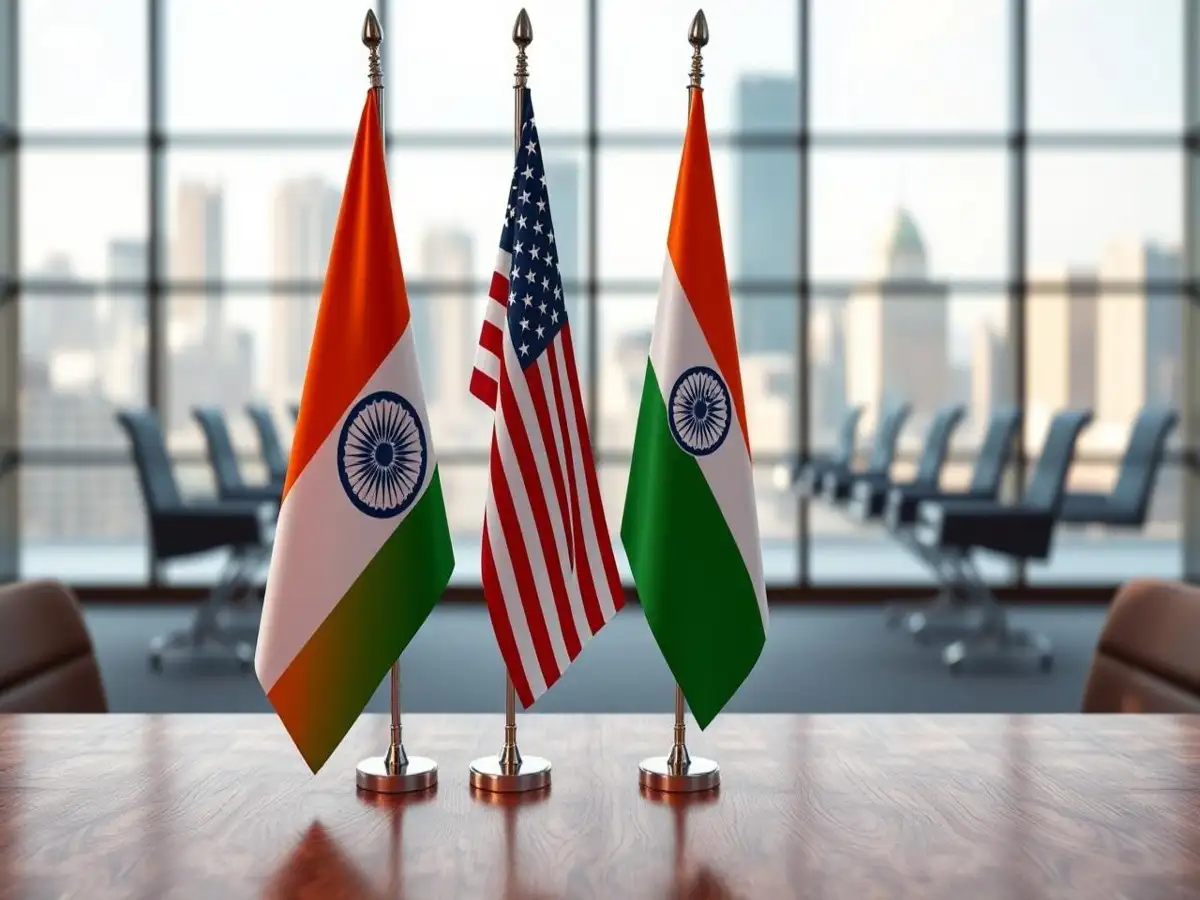
Has India secured a significant trade deal with the United States? This week, President Donald Trump and Prime Minister Narendra Modi announced a reduction in tariffs on Indian goods exported to the US, lowering the rate to 18%. While the formal agreement is still pending, this development marks a pivotal moment in the trade relationship between the two nations, which are among the largest economies in the world. The reduction in tariffs is expected to enhance India’s export competitiveness, which had been adversely affected by previous high tariffs.
Impact of Tariff Reduction on Indian Exports
The newly announced tariff rate of 18% positions India favorably compared to its regional competitors. Countries like Vietnam, Malaysia, and Bangladesh face higher tariffs, ranging from 19% to 34%. This competitive edge is crucial for India’s labor-intensive sectors, which have struggled under the previous 50% tariff imposed by the Trump administration. Commerce Minister Piyush Goyal emphasized that this deal is advantageous for Indian exporters, allowing them to regain lost market share in the US. Trade policy experts note that the agreement signifies a shift in India’s role from a passive exporter to an active participant in the US market, enhancing its credibility as a reliable sourcing partner.
The immediate effect of the tariff reduction is expected to stabilize India’s exports, which had been declining due to high tariffs. Analysts suggest that this deal will not only halt the erosion of India’s export competitiveness but also encourage Indian firms to move up the value chain, focusing on higher-quality manufacturing rather than competing solely on price. This strategic repositioning is seen as vital for long-term growth in the US market.
Geopolitical Implications and Oil Purchases
As part of the trade discussions, Trump claimed that India would cease purchasing Russian oil, suggesting a shift in India’s energy sourcing strategy. However, the Kremlin has stated that it has not received any official communication from India regarding this matter. Despite the ongoing geopolitical tensions, analysts believe that the trade deal will not lead to an immediate decline in Russian oil imports, which remain critical for India’s refining needs.
Data indicates that India’s imports from Russia have already been decreasing due to US sanctions on major exporters. While the deal may encourage India to explore alternative sources, such as Venezuela, analysts caution that any significant changes in oil sourcing will take time. The potential for cost savings by shifting some oil purchases to Venezuela has been highlighted, but the feasibility of such a transition will depend on various factors, including pricing and logistics.
Benefits of the Trade Deal for India’s Economy
The trade agreement is projected to cut tariffs on nearly 60% of Indian exports to the US, significantly benefiting sectors such as textiles, leather, and jewelry. With the new tariff rate, Indian products will become more competitive in the US market, which is crucial for economic growth. Experts estimate that the tariff reduction could contribute an additional 0.2 percentage points to India’s GDP, reversing some of the negative impacts of previous tariffs.
The deal is also expected to enhance investor sentiment and stimulate growth in labor-intensive sectors. As uncertainty diminishes, smaller exporters who had previously halted shipments can now resume operations with renewed confidence. The agreement is seen as a vital step in deepening trade ties between India and the US, creating new opportunities for collaboration in various sectors, including advanced technology.
Market Reactions and Future Prospects
Following the announcement of the trade deal, the Indian stock market experienced a significant rally, with the Sensex gaining substantial points and boosting investor wealth. This surge reflects positive market sentiment and the potential for improved corporate earnings as a result of the trade agreement. Analysts predict that the rally may continue as more details of the deal are revealed, further enhancing investor confidence.
The Indian rupee also strengthened against the dollar, marking its most substantial single-day gain in several years. This positive market reaction underscores the anticipated benefits of the trade deal for the Indian economy. However, experts advise caution, noting that the specifics of the agreement will be crucial in determining its long-term impact on various sectors. As the joint statement from both countries is expected soon, stakeholders are eager to understand the full implications of this significant trade development.
Observer Voice is the one stop site for National, International news, Sports, Editor’s Choice, Art/culture contents, Quotes and much more. We also cover historical contents. Historical contents includes World History, Indian History, and what happened today. The website also covers Entertainment across the India and World.
Follow Us on Twitter, Instagram, Facebook, & LinkedIn

