

Positive Outlook for Exports: Textiles, Carpets, and Leather Industries Poised to Benefit from India-US Agreement

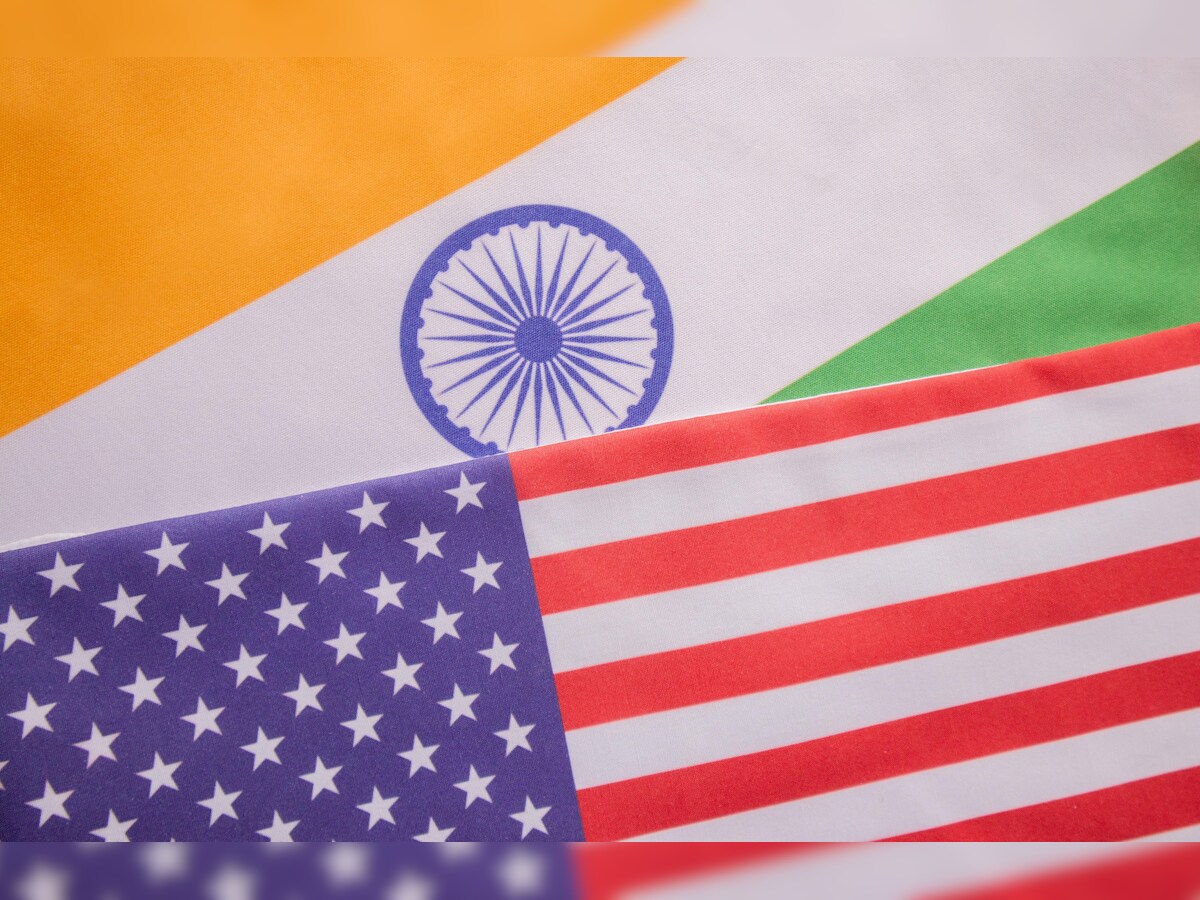
While the specifics of the newly announced India-US trade deal are still emerging, it arrives at a crucial moment for Indian manufacturers. With the summer season’s shipments underway, concerns loomed over future orders, particularly for garment and leather sectors. The deal promises to enhance the competitiveness of Indian goods, offering a significant boost to exporters who have faced challenges in recent months.
Impact on Indian Exports
The trade deal introduces an 18% tariff on Indian garments, which is slightly lower than the 20% tariff imposed on similar products from Bangladesh and Sri Lanka. This reduction is expected to make Indian garments more appealing to US buyers, potentially revitalizing a sector that has seen a decline in orders. Additionally, Indian carpets, which have lost considerable market share to Turkish imports, will now be more competitive. The shrimp industry is also set to benefit, as Indian shrimp will become more affordable in American stores. Furthermore, exporters of gems and jewelry, who have struggled to maintain their competitive edge, can now look forward to improved market conditions. In contrast, some tariffs on auto parts and metals will remain unchanged, leaving certain sectors still facing challenges.
Business Sentiment and Future Prospects
Despite the optimism surrounding the trade deal, businesses are seeking clarity on its terms. Currently, there is no official joint statement, and the claims made by US President Donald Trump on social media have not yet been addressed by Indian officials. However, the trade deal is seen as a strategic opportunity for Indian businesses to diversify their export destinations. With India having recently signed trade agreements with the UK and the European Union, companies can better manage their portfolios and mitigate risks associated with fluctuating trade policies.
India’s exports to the US have already shown promising growth, rising by 11.3% to $59 billion between April and November. This increase has been driven in part by a surge in smartphone shipments, which doubled to $16.7 billion. The frontloading of exports ahead of tariff deadlines has also contributed to this growth, with nearly 40% of India’s exports, including electronics and pharmaceuticals, remaining unaffected by tariffs.
Government Officials Weigh In
Union Home Minister Amit Shah heralded the trade deal as a significant milestone in India-US relations, emphasizing its potential to strengthen trade ties and foster mutual growth. Commerce and Industries Minister Piyush Goyal described the agreement as a means to “unlock the power of two large democracies,” highlighting the collaborative potential between the two nations. He noted that both countries are natural allies, capable of co-creating technologies and developing solutions that benefit their populations.
IT and I&B Minister Ashwini Vaishnaw echoed these sentiments, stating that the trade deal represents a “win-win” situation for both nations. He emphasized the complementary strengths of the US and India, suggesting that the partnership will lead to a brighter future for both countries. Business leaders, including Aditya Birla Group Chairman Kumar Mangalam Birla, expressed optimism about the deal’s potential to enhance supply chains and drive long-term economic competitiveness in both nations.
Observer Voice is the one stop site for National, International news, Sports, Editor’s Choice, Art/culture contents, Quotes and much more. We also cover historical contents. Historical contents includes World History, Indian History, and what happened today. The website also covers Entertainment across the India and World.

