

Trump Increases Tariffs on South Korean Imports to 25%

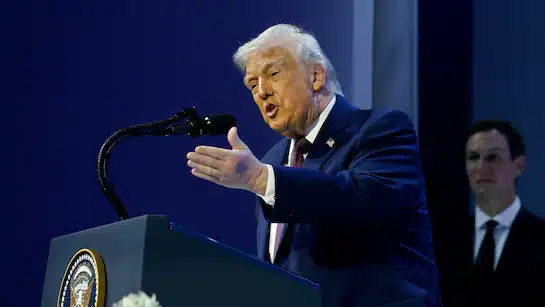
US President Donald Trump has announced a significant increase in tariffs on South Korean imports, raising them to 25%. This decision comes after Trump accused South Korea of failing to adhere to a trade agreement made last year. The new tariffs will affect a variety of products, including automobiles, lumber, and pharmaceuticals. South Korea has expressed surprise at the announcement, stating that it had not received official notification and is seeking urgent discussions with the United States.
Details of the Tariff Increase
In a recent social media post, President Trump outlined his decision to raise tariffs on South Korean goods from 15% to 25%. This increase will apply to a wide range of products, including automobiles, lumber, and pharmaceuticals, as well as “all other Reciprocal TARIFFS.” Trump criticized South Korean lawmakers for their slow approval of the trade deal, claiming that the United States has acted promptly to reduce its tariffs in accordance with the agreement reached last October. The tariff hike is seen as a move to pressure South Korea into faster compliance with the terms of the deal.
South Korea’s Response
In response to the tariff announcement, South Korean officials stated they had not received any formal communication regarding the increase. The South Korean government is now seeking urgent talks with Washington to address the situation. Industry Minister Kim Jung-kwan, who is currently in Canada, plans to travel to Washington to meet with US Commerce Secretary Howard Lutnick. This meeting aims to clarify the tariff situation and discuss potential resolutions. The South Korean government is keen to ensure that the trade relationship with the United States remains stable and beneficial for both nations.
Market Reactions
The announcement of the tariff increase has already impacted the South Korean stock market. Shares of major exporters, particularly in the automotive and pharmaceutical sectors, experienced declines. For instance, Hyundai, a leading car manufacturer, saw its stock drop by approximately 2.5%. Other stocks related to pharmaceuticals and timber also faced downward pressure. The market’s reaction reflects concerns over the potential economic implications of the increased tariffs and the uncertainty surrounding the trade relationship between the two countries.
Background on the Trade Agreement
The trade deal between the United States and South Korea was established last October, with South Korea committing to invest $350 billion in the US economy, including investments in shipbuilding. Following the agreement, both countries had reached a consensus that the US would reduce tariffs on certain products once South Korea began the approval process. The agreement was submitted to South Korea’s National Assembly on November 26 and is currently under review, with expectations for its passage in February. Tariffs are typically paid by companies importing goods, meaning that US firms will now face a 25% tax on products sourced from South Korea. This tariff increase is part of Trump’s broader strategy of using tariffs as leverage in international trade negotiations.
Observer Voice is the one stop site for National, International news, Sports, Editor’s Choice, Art/culture contents, Quotes and much more. We also cover historical contents. Historical contents includes World History, Indian History, and what happened today. The website also covers Entertainment across the India and World.
Follow Us on Twitter, Instagram, Facebook, & LinkedIn

