

EU Chief Ursula von der Leyen Emphasizes Importance of Last Mile in FTA Negotiations

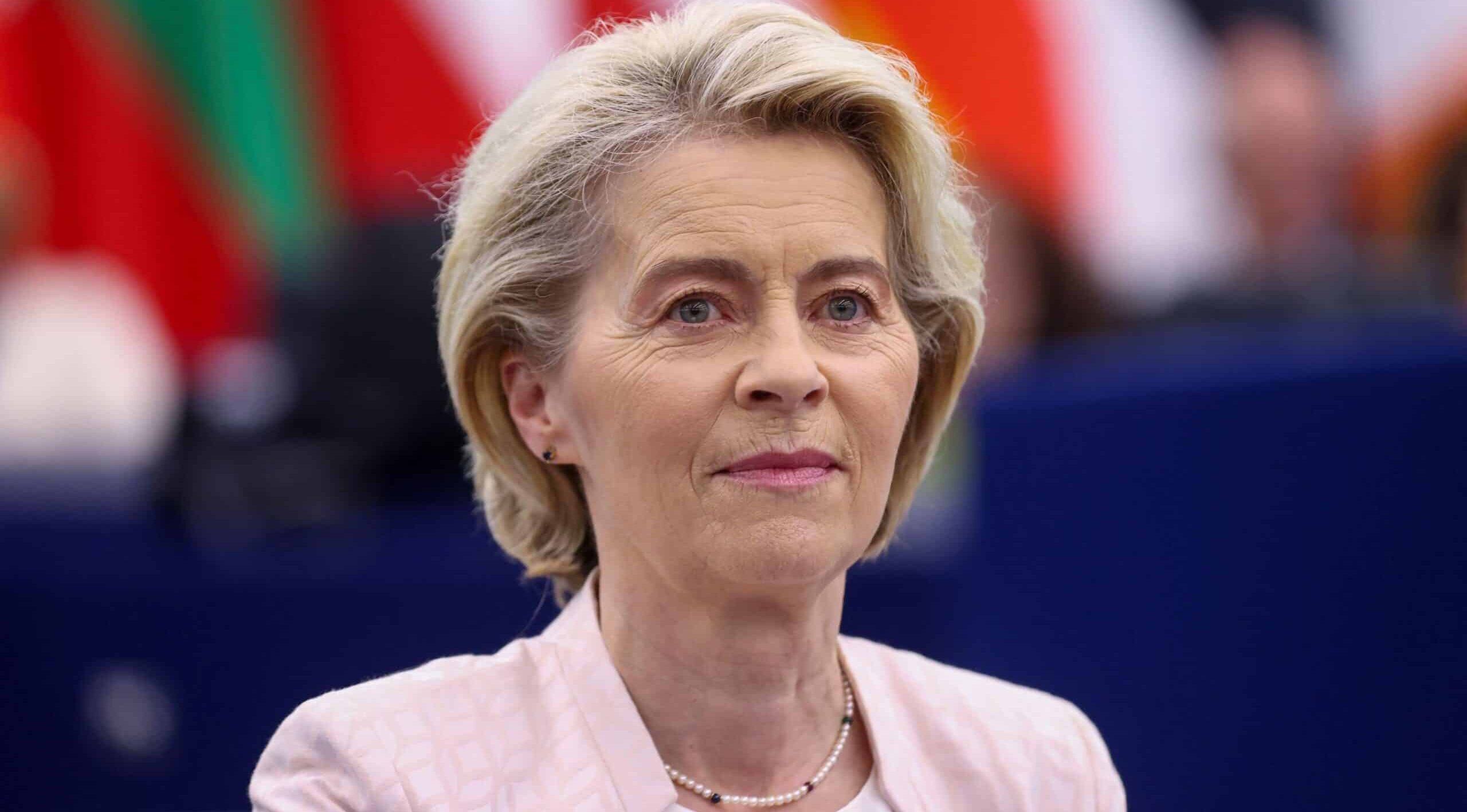
As the European Union (EU) and India approach a pivotal moment in their relationship, European Commission President Ursula von der Leyen has expressed optimism about the ongoing negotiations for a free trade agreement (FTA). In an exclusive interview, she emphasized the significance of finalizing the FTA and establishing a new defense and security partnership, both of which are expected to be key outcomes of the upcoming EU-India summit on January 27. Von der Leyen highlighted the potential benefits of the FTA, including a reduction of €4 billion in tariffs for exporters, and underscored the importance of EU-India cooperation in a world increasingly challenged by geopolitical tensions.
Significance of the EU-India Free Trade Agreement
The EU-India Free Trade Agreement is poised to be one of the largest trade deals globally, creating a market encompassing two billion people. President von der Leyen noted that trade between Europe and India has nearly doubled over the past decade, reaching over €120 billion annually. The FTA aims to unlock further opportunities for trade and investment by eliminating significant tariffs, which could support sustainable job creation in both regions. Both parties are currently working diligently to resolve outstanding issues, including the contentious Carbon Border Adjustment Mechanism (CBAM), automobiles, and steel. Von der Leyen acknowledged that while the final stages of negotiation are often the most challenging, the potential rewards make the effort worthwhile.
Strengthening Defense and Security Partnerships
In addition to the FTA, the EU and India are on the verge of establishing a new defense and security partnership. This initiative aims to enhance cooperation on defense industries, maritime security, and secure communications, particularly in the Indian Ocean region. Von der Leyen emphasized that this partnership could be transformative, addressing new security threats such as cyber and hybrid warfare. The collaboration is seen as vital in an increasingly volatile global landscape, where both parties can work together to uphold a rules-based international order. However, she clarified that while the partnership will deepen cooperation, the export of high-end defense technology will remain under the authority of individual EU member states.
Addressing Geopolitical Challenges
Amidst ongoing geopolitical tensions, including India’s strong ties with Russia, von der Leyen reaffirmed the EU’s commitment to providing India with a reliable and long-term partnership. She emphasized that the EU does not seek to impose alignment but rather aims for cooperation based on mutual respect and shared values. The relationship is anchored in a commitment to democracy, human rights, and international law, which are increasingly under threat globally. Von der Leyen expressed confidence that by deepening cooperation, both sides can create new opportunities and credible alternatives in a world marked by systemic rivalry and fragmentation.
Future Prospects and Initiatives
Looking ahead, von der Leyen highlighted the importance of the India-Middle East-Europe Economic Corridor (IMEC), which aims to enhance connectivity and trade among the regions. The EU is actively supporting key projects under the Global Gateway program, which includes initiatives to improve data links and renewable maritime fuel supply chains. As the EU-India summit approaches, both sides are expected to continue their efforts to turn these ambitious projects into reality, further solidifying their strategic partnership and enhancing economic ties.
Observer Voice is the one stop site for National, International news, Sports, Editor’s Choice, Art/culture contents, Quotes and much more. We also cover historical contents. Historical contents includes World History, Indian History, and what happened today. The website also covers Entertainment across the India and World.
Follow Us on Twitter, Instagram, Facebook, & LinkedIn

