

PwC Predicts Government Will Meet Fiscal Deficit Target of 4.4% in FY26

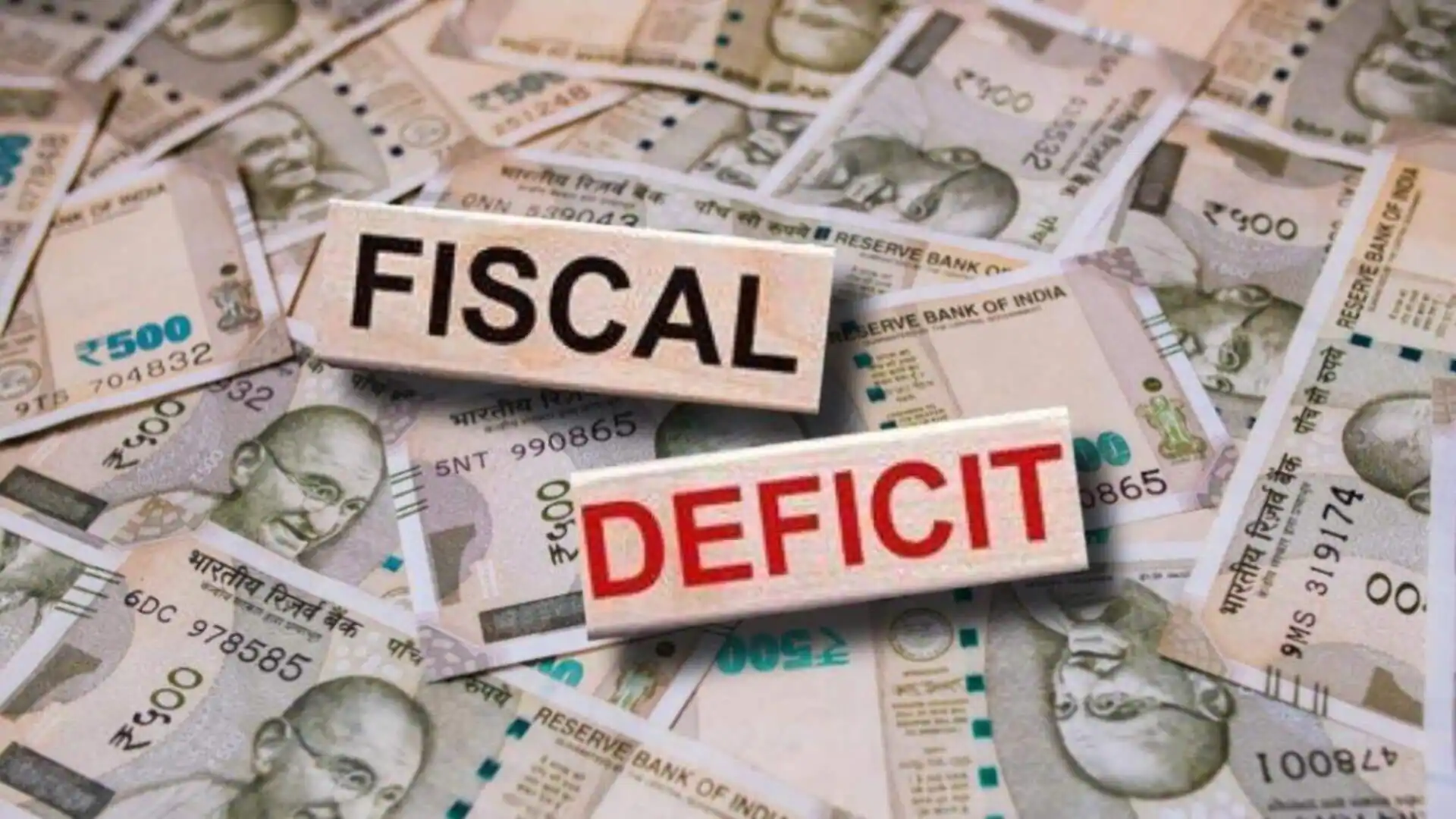
The Indian government is on track to meet its fiscal deficit target of 4.4% of GDP for the fiscal year 2026, according to insights from Ranen Banerjee, a partner at PwC and leader of Economic Advisory Services. Despite a recent downward revision of the nominal GDP growth forecast from 10.1% to 8%, Banerjee remains optimistic, suggesting that the government could even surpass its target. This positive outlook signals a commitment to fiscal management, which is likely to reassure global investors.
Revised GDP Growth and Its Implications
The National Statistical Office’s recent adjustment of the nominal GDP growth rate has raised some eyebrows regarding the government’s fiscal targets. The revision from 10.1% to 8% has led to concerns about whether the government can maintain its fiscal discipline. However, Banerjee points out that the absolute figures are still in line with budget estimates. This indicates that the denominator in the fiscal deficit equation is stable, allowing the government to comfortably achieve the 4.4% target. The fiscal deficit for FY25 was successfully reduced to 4.8%, surpassing the initial target of 4.9%, which further strengthens the case for optimism.
Potential for Overachievement
Banerjee believes there is potential for the government to exceed its fiscal deficit target, possibly bringing it down to 4.3%. This would not only demonstrate the government’s commitment to fiscal consolidation but also showcase its ability to manage finances effectively. Finance Minister Nirmala Sitharaman had previously set the fiscal deficit for FY26 at Rs 15.69 lakh crore, equivalent to 4.4% of GDP. Banerjee’s insights suggest that the government is not just aiming to meet its targets but is also positioned to outperform them.
Impact of Lower Nominal GDP on Tax Revenues
While the government is expected to meet its fiscal deficit target, the downward revision in nominal GDP growth may have repercussions for tax revenues. Banerjee estimates a potential shortfall of Rs 1.9 trillion in gross tax revenues due to the lower growth rate. After factoring in the GST compensation cess, this shortfall could narrow to around Rs 75,000 crore. Despite this, the central government is anticipated to have a buffer of approximately Rs 0.5 trillion from unutilized GST compensation funds, which could help mitigate the impact of the revenue shortfall.
Expenditure Management and Fiscal Discipline
On the expenditure front, Banerjee notes that revenue expenditure is likely to be about 2% lower than the initial budget estimates. In contrast, capital expenditure is expected to reach nearly 100% of the budgeted amount. This careful management of expenditures is crucial in offsetting the anticipated shortfall in tax revenues. By maintaining a disciplined approach to spending, the government can still achieve its fiscal deficit target, demonstrating effective financial governance in a challenging economic environment.
Observer Voice is the one stop site for National, International news, Sports, Editor’s Choice, Art/culture contents, Quotes and much more. We also cover historical contents. Historical contents includes World History, Indian History, and what happened today. The website also covers Entertainment across the India and World.
Follow Us on Twitter, Instagram, Facebook, & LinkedIn

