

FMCG Sector Experiences Slower Sales Growth in September Quarter Due to GST Changes

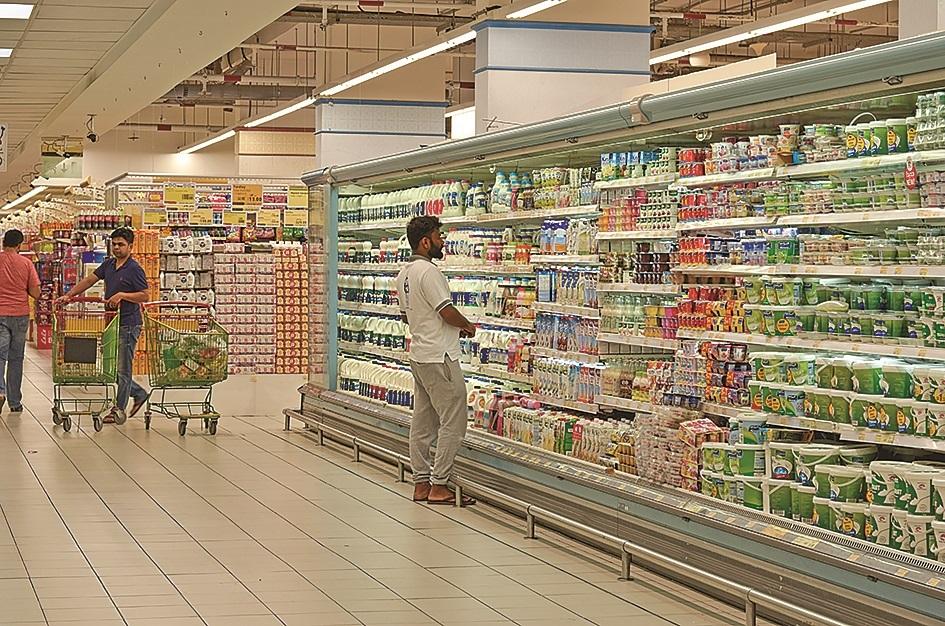
Sales growth in India’s fast-moving consumer goods (FMCG) sector has shown signs of easing in the September quarter, with volume growth dropping to 5.4%. This decline is attributed to disruptions caused by changes in the Goods and Services Tax (GST). However, value growth has increased to 12.9%, according to a report from NielsenIQ. The report highlights that rural markets continue to outpace urban areas in growth, although the rate of expansion has softened slightly.
Rural Markets Outperform Urban Areas
The FMCG sector’s performance in rural India remains robust, with a growth rate of 7.7% compared to 3.7% in urban regions. This marks the seventh consecutive quarter where rural markets have outperformed their urban counterparts. Despite a slight decline from the previous year’s growth of 8.4%, rural areas account for approximately 38% of FMCG demand, driven primarily by affordability. The report indicates that while rural markets continue to thrive, smaller urban towns are beginning to show signs of recovery, even as growth in larger cities has slowed down.
NielsenIQ’s data reveals that the overall market experienced a 5.4% increase in volume, alongside a 7.1% rise in prices. This suggests that consumers are increasingly opting for smaller pack sizes, indicating a shift in purchasing behavior. The report also notes a decline in offline sales in metropolitan areas, as more consumers turn to e-commerce platforms for their shopping needs. However, modern trade channels are showing signs of revival, which could signal a potential shift back to traditional retail in the future.
Impact of E-Commerce on FMCG Sales
E-commerce continues to play a significant role in the FMCG sector, particularly in major metropolitan areas. According to NielsenIQ, the share of e-commerce in FMCG sales has increased by one percentage point across these regions. Despite a slight easing in volume growth during the third quarter of 2025, e-commerce remains a crucial growth engine for the sector. Sharang Pant, head of customer success for FMCG at NielsenIQ India, emphasized that rural markets are pivotal for volume expansion, while e-commerce is essential for driving growth in urban areas.
The report highlights that the transition to GST 2.0 has temporarily impacted growth in the home and personal care (HPC) segment, which includes products such as soaps, shampoos, and household items. Nevertheless, food consumption has remained steady, with a growth rate of 5.4%, primarily driven by increased volumes in staple goods. The HPC segment also saw a volume increase of 5.5%, indicating that certain categories within the FMCG sector continue to perform well despite broader challenges.
Future Outlook for the FMCG Sector
Looking ahead, NielsenIQ anticipates that consumption in the FMCG sector will remain positive, particularly as inflation rates begin to cool. However, the effects of recent GST changes may continue to influence market dynamics over the next two quarters. The report suggests that while small manufacturers are contributing to sector growth, larger players are experiencing a slowdown in consumption. This trend underscores the importance of adaptability in a rapidly changing market landscape.
As the FMCG sector navigates these challenges, the resilience demonstrated by rural markets and the growing importance of e-commerce will likely shape the future of consumer goods in India. The ongoing shifts in consumer behavior and market dynamics will be critical for stakeholders to monitor as they strategize for sustained growth in this competitive sector.
Observer Voice is the one stop site for National, International news, Sports, Editor’s Choice, Art/culture contents, Quotes and much more. We also cover historical contents. Historical contents includes World History, Indian History, and what happened today. The website also covers Entertainment across the India and World.

