

Government Urges Financial Sector to Embrace Disintermediation Rather Than Resist It

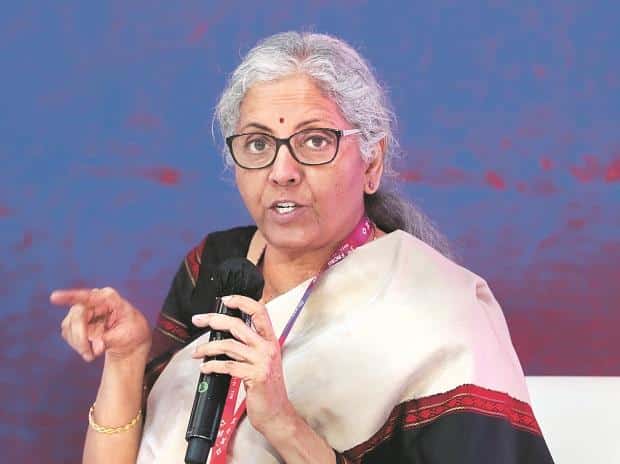
The Indian financial sector is undergoing significant changes, prompting government officials to urge industry stakeholders to adapt proactively. Speaking at the CII Financing Summit in Mumbai, Economic Secretary Anuradha Thakur emphasized the need for collaboration and deep analysis of emerging trends. She highlighted a shift in savings behavior, with a growing preference for mutual funds and equities over traditional bank deposits, and called for strategies to ensure that financing reaches micro, small, and medium enterprises (MSMEs) and low-income households.
Anuradha Thakur pointed out that the financial landscape is evolving, with a noticeable decline in the share of banks in total credit, which has dropped from 77% to approximately 60%. This shift is accompanied by a surge in initial public offering (IPO) activity, which has increased sixfold. Corporates are increasingly relying on internal resources for funding, indicating a significant transformation in how businesses approach financing. Thakur stressed that these changes necessitate a collective response from both the industry and regulators to ensure that financial resources are effectively directed to those who need them most, particularly MSMEs and low-income households. She described the financial system as a crucial driver of long-term growth and a means to achieve distributional equity.
Addressing Credit Constraints
Thakur acknowledged the persistent credit constraints faced by MSMEs, which are exacerbated by delayed payments from larger buyers and limited access to formal debt markets. She advocated for innovative lending solutions, such as cash-flow-based lending and technology-driven tools, to alleviate these challenges. The economic secretary also expressed hope that recent cuts in the Goods and Services Tax (GST) would stimulate activity within the financial sector, reigniting the so-called “animal spirits” essential for economic growth. By addressing these credit constraints, the government aims to empower MSMEs and enhance their contributions to the economy.
Strengthening Financial Infrastructure
Thakur highlighted the importance of a robust financial infrastructure in supporting India’s economic transformation. She noted that reforms have strengthened bank balance sheets, improved non-performing asset (NPA) resolution, and enforced stricter governance standards. Regulatory measures have been put in place to ensure transparency and protect investors, contributing to a stable macroeconomic environment. The economic secretary also pointed to the success of inclusion measures and digital infrastructure, such as the Jan Dhan Yojana, Aadhaar, and the Unified Payments Interface (UPI), which have facilitated access to financial services for a broader segment of the population.
Future Directions for Financial Markets
Looking ahead, Thakur emphasized the need for deeper capital markets, particularly in the corporate bond sector, which remains dominated by highly rated issuers and suffers from weak secondary market liquidity. She called for initiatives to encourage more companies to issue bonds, supported by better disclosure practices and credit enhancement mechanisms. Additionally, she noted that Real Estate Investment Trusts (REITs) and Infrastructure Investment Trusts (InvITs) have yet to become mainstream investment vehicles, despite being introduced over a decade ago. Thakur concluded by stressing that sustaining an 8% GDP growth rate will require substantial investment, with the financial system playing a pivotal role in channeling savings into productive economic segments.
Observer Voice is the one stop site for National, International news, Sports, Editor’s Choice, Art/culture contents, Quotes and much more. We also cover historical contents. Historical contents includes World History, Indian History, and what happened today. The website also covers Entertainment across the India and World.
Follow Us on Twitter, Instagram, Facebook, & LinkedIn

