

As Air Quality Deteriorates, Schools Shift to Hybrid Learning and Mining Activities Halt

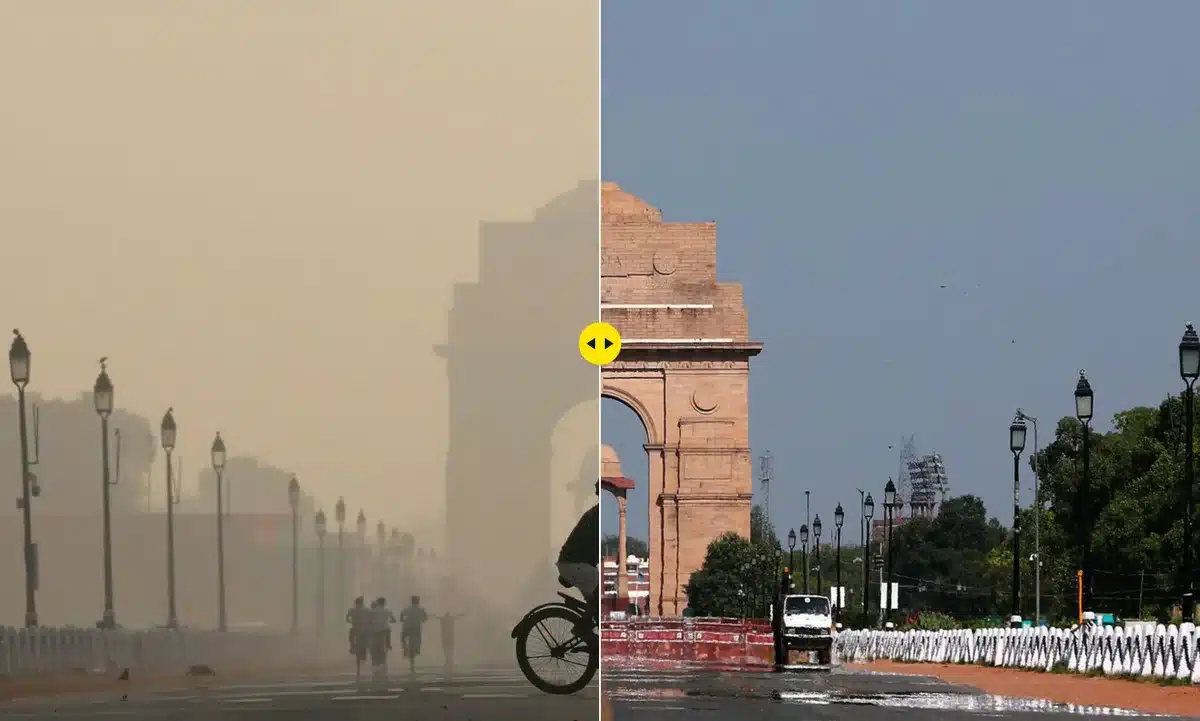
Schools in Delhi are transitioning to hybrid classes for primary students as the city’s air quality reaches alarming levels. In response to the deteriorating conditions, authorities have implemented stricter anti-pollution measures, including a ban on non-essential construction activities and restrictions on the movement of goods carriers. The Central Pollution Control Board reported that PM2.5 levels soared to 438, significantly exceeding safe limits and posing serious health risks, particularly for vulnerable populations.
Delhi’s air quality has plunged into the “severe” category, raising concerns among health officials and residents alike. The latest data from the Central Pollution Control Board indicates that PM2.5 levels have reached a staggering 438 micrograms per cubic meter. This concentration is nearly 30 times higher than the World Health Organization’s recommended safe limit of 15 micrograms. Such high levels of fine particulate matter can severely impact lung function and overall health, especially for children and the elderly. Doctors are advising residents to minimize outdoor activities and wear protective masks when necessary to mitigate exposure.
Government Response and Measures
In light of the worsening air quality, the Delhi government has activated stage three of its Graded Response Action Plan (GRAP). This includes a comprehensive ban on mining activities, stone crushing, and the movement of vehicles carrying dust-generating materials. These measures aim to curb pollution levels and protect public health. The government has also urged citizens to remain vigilant and take precautions against the toxic air. Despite these efforts, the situation has sparked public protests and political tensions, with opposition parties accusing the government of mishandling the crisis.
Political Tensions and Public Concerns
The deteriorating air quality has ignited a political firestorm in the capital. Saurabh Bhardwaj, a leader of the opposition Aam Aadmi Party (AAP), has publicly criticized the Delhi government for allegedly manipulating air quality data and failing to safeguard public health. He has called for the declaration of a public health emergency, citing the ongoing crisis as a significant threat to residents. In response, Chief Minister Rekha Gupta has defended the government’s actions, asserting that they are committed to addressing pollution with seriousness and urgency. Environment Minister Manjinder Singh Sirsa emphasized that air quality data is transparent and that measures taken, such as sprinkling water near monitoring stations, are intended to reduce dust, not to distort readings.
Recurring Air Quality Challenges
The issue of poor air quality is not new to Delhi, particularly during the winter months. A combination of factors contributes to this persistent problem, including low wind speeds, industrial emissions, vehicle exhaust, and the seasonal burning of crop stubble in neighboring states. These elements create a perfect storm for pollution, leading to hazardous conditions for residents. As the government continues to implement measures to combat air pollution, the need for long-term solutions remains critical. The ongoing crisis serves as a reminder of the urgent need for comprehensive strategies to improve air quality and protect public health in Delhi and beyond.
Observer Voice is the one stop site for National, International news, Sports, Editor’s Choice, Art/culture contents, Quotes and much more. We also cover historical contents. Historical contents includes World History, Indian History, and what happened today. The website also covers Entertainment across the India and World.
Follow Us on Twitter, Instagram, Facebook, & LinkedIn

