

Donald Trump’s $100,000 H-1B Visa Fee Causes Uncertainty for Job-Hunting Indian Students in the US

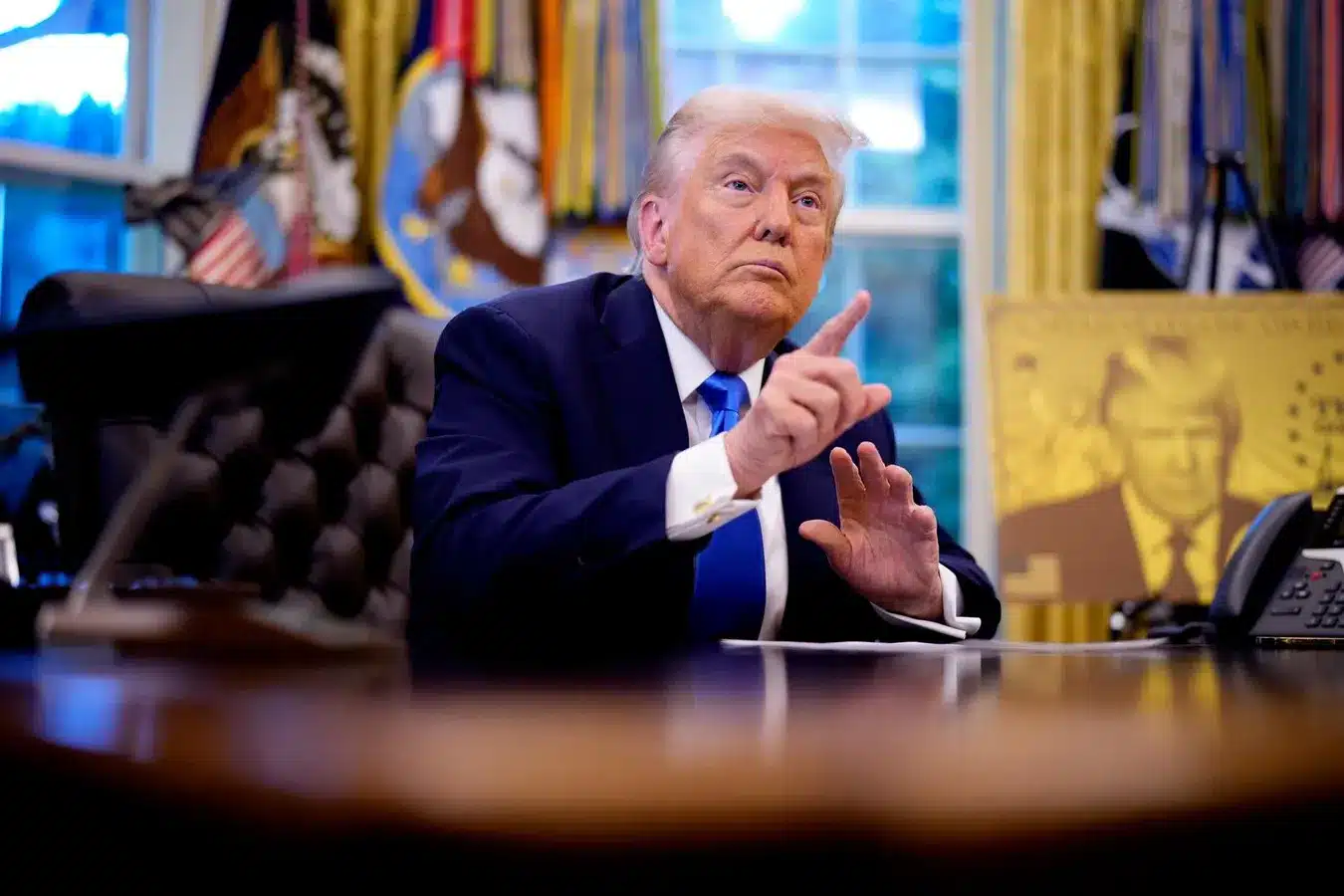
Indian students pursuing careers in the United States are facing significant challenges following a steep increase in the application fee for the H-1B visa, now set at an unprecedented $100,000. This hike, implemented by the Trump administration, has led many companies to automatically reject applicants who require visa sponsorship. As a result, the job prospects for these students, particularly in high-demand sectors such as technology and finance, have become increasingly bleak, raising concerns about their future in the competitive job market.
H-1B Fee Hike: A Barrier for International Candidates
The recent increase in the H-1B visa application fee has created a daunting barrier for international students seeking employment in the U.S. Many companies are now openly stating that they will not consider candidates who require visa sponsorship. This trend has left students feeling uncertain about their job prospects. Ishaan Chauhan, a student at the University of Wisconsin-Madison, shared his experience, noting that despite his qualifications in computer and data science, he has faced numerous rejections once employers learn about his visa needs. The situation is particularly dire as major employers, including Walmart, have announced a suspension of job offers to candidates requiring H-1B visas, further narrowing the opportunities available to international graduates.
The implications of this fee hike extend beyond individual students. With approximately 1.1 million international students currently enrolled in American universities, the decision to limit job offers based on visa sponsorship requirements could have a ripple effect on the U.S. economy. The uncertainty surrounding visa sponsorship has made it increasingly difficult for these students to secure positions, regardless of their academic achievements or internship experiences.
Declining Job Opportunities for International Students
The landscape for job opportunities in the U.S. has shifted dramatically, particularly for international students. Stricter immigration policies have led to a notable decrease in the number of companies willing to sponsor work visas. Data from Handshake, a career platform, reveals a staggering drop in full-time positions offering visa sponsorship, plummeting from 10.9% to just 1.9% between 2023 and 2025. The technology sector has been hit hardest, with sponsorship opportunities declining to one-third of previous levels.
This tightening job market is not only affecting international students but also U.S. citizens. The recruitment process in various sectors, especially in white-collar jobs, has slowed significantly. Experts like Kevin Collins from Carnegie Mellon University have observed that companies are exercising increased caution in their hiring practices. As a result, international students are applying for more positions than ever before, hoping to secure any opportunity that may arise.
Impact of Stricter Immigration Policies
The changes to the H-1B visa program, which include the new $100,000 application fee, are part of a broader strategy by the Trump administration to prioritize American workers. The administration argues that these measures will protect U.S. jobs and wages while promoting domestic hiring. However, this approach has drawn criticism from various sectors, including the U.S. Chamber of Commerce, which has initiated legal action against the fee increase, labeling it unlawful and detrimental to hiring practices.
Industry leaders express concern that these regulations could severely impact sectors that rely heavily on international talent, such as technology and healthcare. Major companies like Amazon, Microsoft, and Meta are particularly vulnerable to these changes, as they have historically depended on the H-1B visa program to fill skilled positions.
Economic Contributions of Indian Immigrants
Despite the challenges posed by the new visa regulations, research indicates that Indian immigrants contribute significantly to the U.S. economy. A study by the Manhattan Institute highlights that Indian immigrants are among the most beneficial groups, with each individual contributing to a reduction in the national debt by an average of $1.6 million over three decades. This finding challenges the narrative that immigration burdens the economy and underscores the importance of skilled international workers in driving economic growth.
As the U.S. grapples with these complex immigration issues, the future of international students and their contributions to the workforce remains uncertain. The ongoing debate over visa regulations and their implications for both students and the broader economy will likely continue to unfold in the coming months.
Observer Voice is the one stop site for National, International news, Sports, Editor’s Choice, Art/culture contents, Quotes and much more. We also cover historical contents. Historical contents includes World History, Indian History, and what happened today. The website also covers Entertainment across the India and World.
Follow Us on Twitter, Instagram, Facebook, & LinkedIn

