

How Industrial Tank Repair Prevents Shutdowns and Compliance Issues

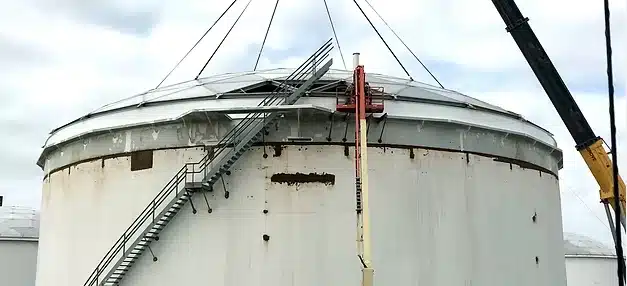
The Silent Progression of Tank Damage
Industrial storage tanks are built to handle heavy use, but time, environmental exposure, and material stress gradually wear them down. Corrosion, seam fatigue, pressure imbalances, and foundation shifts develop slowly. Many of these conditions go unnoticed until they restrict performance or trigger inspection failures. By the time a problem interferes with daily operations, emergency repairs, containment measures, or shutdowns may already be necessary.
Proactive industrial tank repair addresses damage at the stage when it is manageable, cost-effective, and least disruptive. Waiting for visible failure increases risk to both infrastructure and compliance.
Facilities that act early often coordinate work through experienced teams that handle full-scale industrial tank repair, reinforcing critical areas before leaks, cracks, or structural deformation escalate.
Internal Corrosion as an Early Warning Sign
Most tank deterioration begins on the inside, not the exterior. Residue, standing moisture, and chemical reactions attack interior surfaces and seams. Over time, thinning walls and pitting corrosion weaken the structure, even if the outside looks intact.
Internal corrosion can lead to:
- Pinholes and leaks
- Surface blistering
- Coating failure
- Seam cracking
- Product contamination
Repairing corroded sections through internal welding, patching, or sectional replacement prevents damage from expanding into full failure.
Stress at Welded Seams and Joints
Heavily used industrial tanks endure constant structural pressure. Weld seams and joints absorb the majority of this strain. Temperature changes, vibration, and product movement increase the risk of cracking or separation over time.
When left untreated, seam damage can compromise containment and lead to shutdowns or regulatory intervention. Repairing vulnerable welds ensures the tank’s structural integrity and reduces the likelihood of emergency response.
The Role of Foundation Movement
Environmental conditions can shift the ground underneath storage tanks. Settlement, erosion, and freeze-thaw cycles put stress on supports and bases. Tanks installed on uneven or changing foundations may tilt or develop weak points where pressure is unevenly distributed.
Common signs of foundation-related stress include:
- Misalignment of piping
- Uneven tank stance
- Strained fittings or nozzles
- Flexing seams
Industrial tank repair in these cases may involve structural reinforcement and support correction to stabilize the system before cracks form.
Sludge and Buildup That Conceal Damage
Tanks that store oil, chemicals, wastewater, or byproducts accumulate sediment over time. Sludge collects at the bottom and along interior surfaces, trapping moisture against metal. This speeds up corrosion and hides structural deterioration.
Cleaning alone doesn’t correct the damage. Once buildup is cleared, repair teams can identify pitting, thinning, and seam wear. Industrial tank repair restores stability and prevents further decline.
How Repair Supports Compliance Readiness
Inspections often reveal underlying tank issues that must be addressed to avoid penalties, shutdowns, or remediation orders. Regulators look for visible warning signs and documented maintenance history. Tanks with corrosion, warping, cracks, or leaking components may not pass inspections until structural corrections are made.
Proactive repair prevents:
- Failed inspections
- Mandatory shutdowns
- Reporting requirements
- Additional oversight
- Service delays
Repair isn’t just about safety — it protects operational compliance and avoids enforced downtime.
Preventing Environmental Exposure
Undetected deterioration can lead to product release. Even small leaks in industrial tanks can trigger environmental impact reports, cleanup obligations, and long-term monitoring requirements. Restoration after a breach is far more expensive and time-consuming than scheduled repair.
Industrial tank repair addresses weak points before exposure occurs. Reinforcing problem areas prevents fuel, chemicals, or wastewater from migrating beyond containment.
Reducing the Risk of Operational Shutdowns
A compromised tank affects every system connected to it. Cracked seams, clogged transfer lines, corrosion-related leaks, and pressure failures can interrupt production, transport, or power generation.
Ignoring damage often results in:
- Forced shutdowns
- Emergency tank replacement
- Spill mitigation
- Soil or water remediation
- Equipment damage
Repairing early ensures steady function and reduces the likelihood of unexpected interruptions.
Extending Tank Lifespan Without Replacement
Not every aging tank needs to be removed. Strategic repair can restore structural strength and extend usable life by years. Weld patching, sectional reinforcement, and seam restoration address targeted areas without dismantling the entire system.
This approach offers advantages such as:
- Lower cost than full replacement
- Minimal impact on operations
- Compliance retention
- Reduced downtime
- Continued use of existing infrastructure
Replacing a functioning tank is often avoidable when damage is identified and repaired before it spreads.
The Cost Difference Between Repair and Response
Emergency shutdowns, contamination events, and mandated replacements create expenses that far exceed scheduled maintenance. When tanks fail, operations stop, contractors mobilize with urgency, and environmental obligations increase total costs.
Industrial tank repair, when done proactively, avoids:
- Cleanup expenses
- Soil and water testing
- Environmental reporting
- Tank decommissioning
- Replacement delays
Facilities that incorporate timely repair into maintenance planning save money and remain operational.
A Preventive Strategy for Long-Term Operations
Tanks are essential assets in industrial facilities. Their reliability affects production schedules, regulatory standing, and environmental responsibility. Repairing them before failure supports long-term operational stability and reduces liability.
Early detection, internal cleaning, inspection follow-up, and weld reinforcement work together to prevent small defects from becoming major concerns. Industrial tank repair is not reactive maintenance — it’s a safeguard against shutdowns, exposure, and structural loss.
Facilities that act before systems fail maintain control over cost, timing, and compliance. Those that wait often end up responding to preventable problems under pressure.
Observer Voice is the one stop site for National, International news, Sports, Editor’s Choice, Art/culture contents, Quotes and much more. We also cover historical contents. Historical contents includes World History, Indian History, and what happened today. The website also covers Entertainment across the India and World.

