

Trump’s Targeted US Sanctions: Implications for Indian and Chinese Purchases of Russian Oil

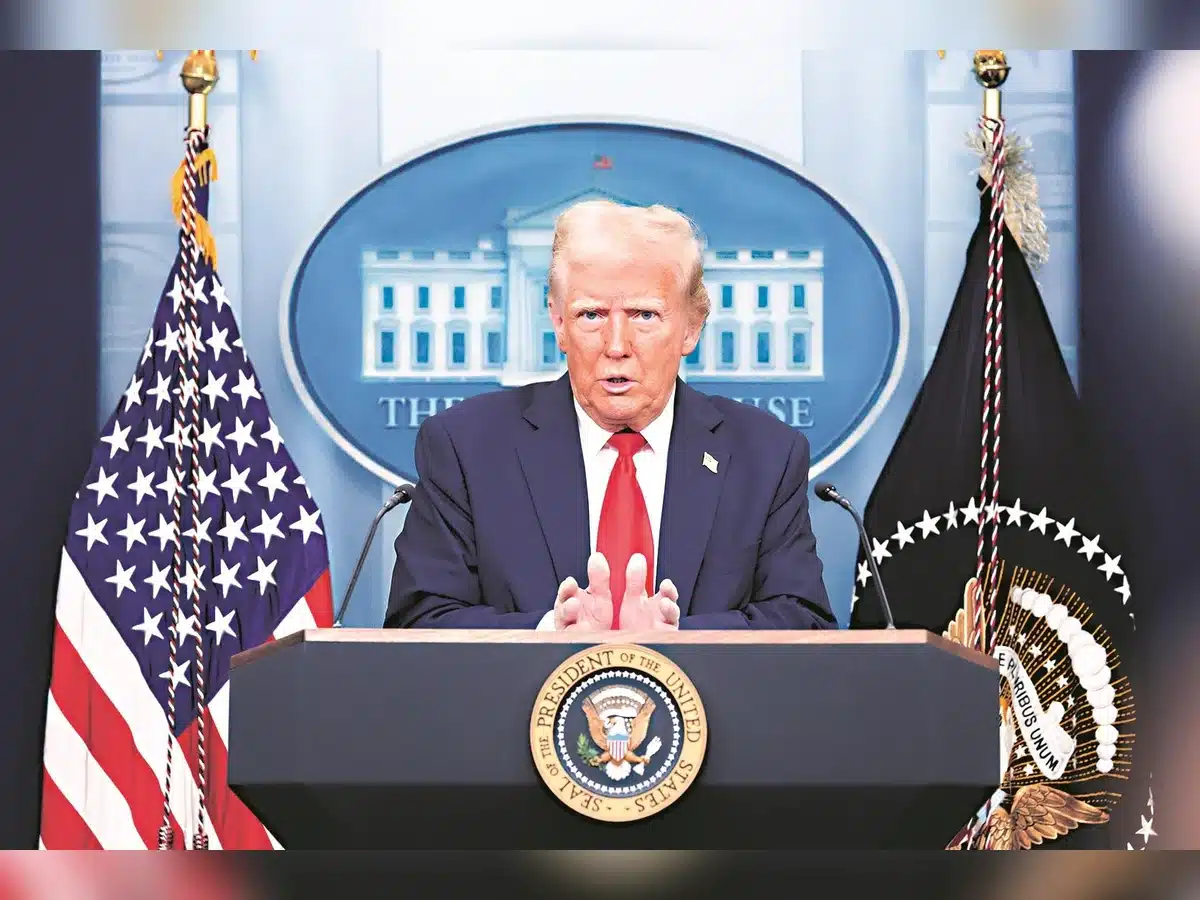
US President Donald Trump’s recent sanctions against two of Russia’s largest oil companies, Rosneft and Lukoil, are poised to significantly impact crude oil imports from Russia by India and China. With the US administration pressuring both nations to halt their Russian oil trade, India faces a complex situation as it already contends with high tariffs on these imports. The sanctions, effective from November 21, aim to disrupt Russia’s oil revenue while maintaining global market stability.
Impact of Sanctions on Indian and Chinese Oil Imports
The sanctions imposed by the Trump administration specifically target Rosneft and Lukoil, two major players in the global oil market. As of September, China was importing around 2 million barrels of Russian oil daily, while India received approximately 1.6 million barrels. The US has set a deadline of November 21 for organizations to conclude their operations with these companies, leaving them with limited time to adjust their supply chains. Bob McNally, President of Rapidan Energy Group, noted that these sanctions are designed to increase pressure on Russia while ensuring stability in the oil market.
India’s current reliance on Russian oil is substantial, with Russia supplying about 34% of India’s crude needs this year. The sanctions could force Indian refiners to seek alternative sources, as the operational complexities and financial implications of continuing to trade with sanctioned entities could outweigh the benefits. The Indian government has been absorbing the additional costs of sourcing oil from other markets, but the looming sanctions may compel a reevaluation of these strategies.
Understanding the Nature of US Sanctions
The US sanctions are more stringent than previous tariffs, which merely raised the cost of imports. Sanctions block financial transactions and can freeze assets, making it nearly impossible for companies to continue trading with the sanctioned entities. According to the US Treasury Department, any property or interests in property of the designated firms within the US or controlled by US persons are blocked. This means that unless authorized by the Office of Foreign Assets Control (OFAC), all transactions involving these companies are prohibited.
Violations of these sanctions can lead to severe civil or criminal penalties for both US and foreign entities. The sanctions are expected to create additional expenses and complexities for buyers, who may need to explore alternative payment methods and transport routes. This aligns with the US objective of reducing Moscow’s oil revenue without completely halting exports.
Challenges for Indian Oil Refineries
As the November deadline approaches, Indian oil refineries are preparing to adjust their operations in response to the sanctions. Companies like Reliance Industries, which has been a major importer of Russian crude, have announced plans to comply with the new regulations. The sanctions pose significant operational challenges, particularly for Nayara Energy, which has a 50% stake owned by Russian interests. The firm has already faced difficulties due to previous EU sanctions.
Indian refiners are currently assessing the implications of the OFAC notification, especially regarding payment mechanisms and regulatory requirements. They are also preparing to operate without Russian crude, which has accounted for a significant portion of their imports. Industry experts warn that sourcing alternative supplies could increase oil import expenses by approximately 2%, further complicating the situation for Indian refiners.
Future of Russian Oil in the Global Market
Despite the sanctions, there remains a level of optimism regarding the continued availability of Russian oil in the global market. Russian authorities are expected to establish alternative arrangements to maintain oil exports, potentially mitigating the impact of the sanctions. However, enforcement of these sanctions will be crucial, as Russia has developed a network of shadow tankers and intermediaries to circumvent restrictions.
The ultimate effectiveness of the sanctions will depend on the US Treasury’s commitment to stringent enforcement. While the sanctions aim to disrupt Russia’s oil revenue, the complexities of the global oil market may allow some Russian crude to continue flowing, albeit through less conventional channels. The situation remains fluid, and the coming weeks will be critical for both India and China as they navigate the challenges posed by these new sanctions.
Observer Voice is the one stop site for National, International news, Sports, Editor’s Choice, Art/culture contents, Quotes and much more. We also cover historical contents. Historical contents includes World History, Indian History, and what happened today. The website also covers Entertainment across the India and World.
Follow Us on Twitter, Instagram, Facebook, & LinkedIn

