

Lisa Su, Jensen Huang’s Cousin, Aims to Challenge Nvidia’s Dominance in AI

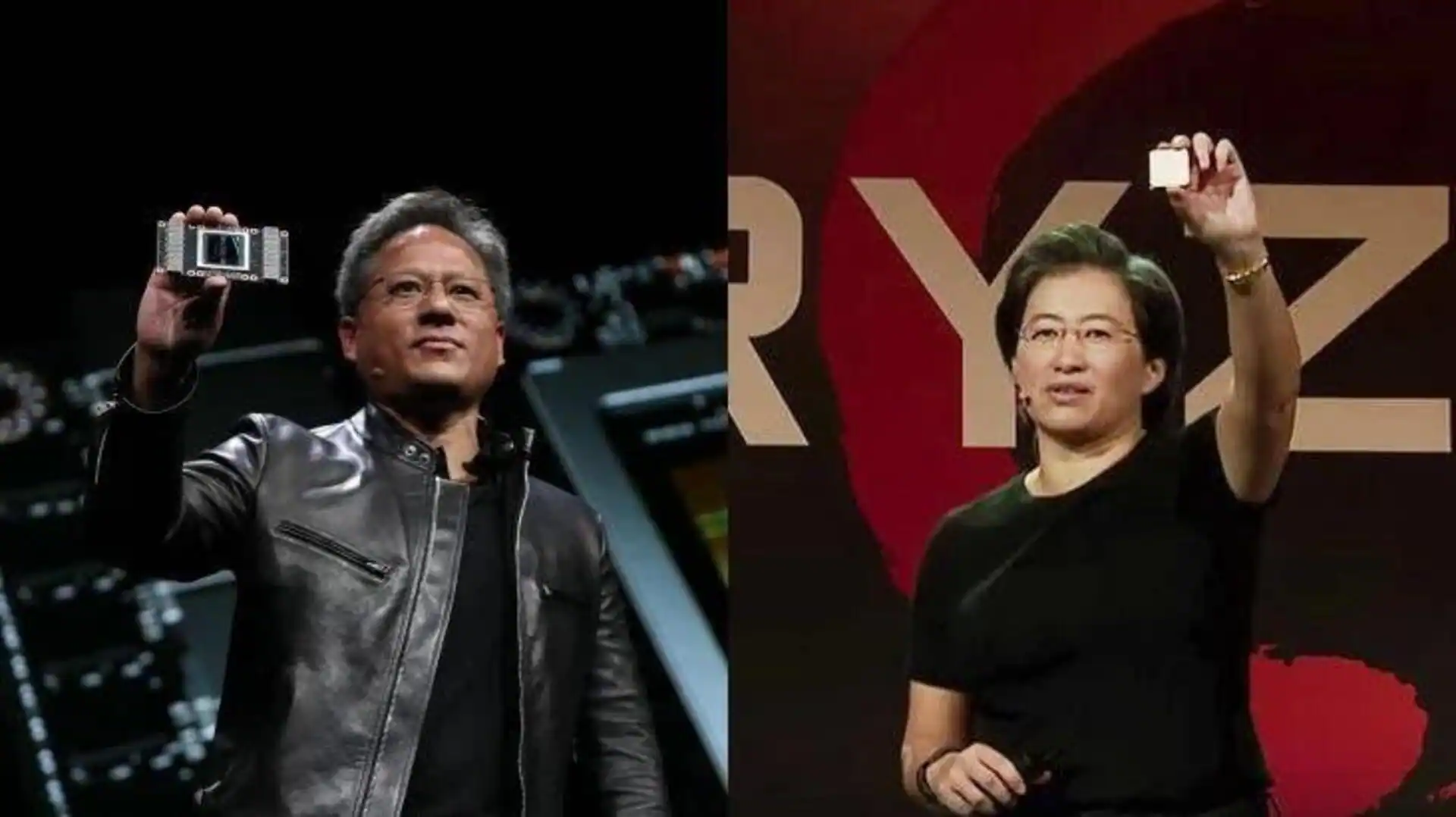
In 2023, the competitive landscape of artificial intelligence (AI) hardware is shifting dramatically, with Nvidia facing a formidable challenge from AMD. Under the leadership of Lisa Su, AMD has transformed from a struggling company into a significant player in the tech industry, now rivaling Nvidia’s dominance. Interestingly, this rivalry is intensified by a familial connection, as Su is a distant cousin of Nvidia’s CEO, Jensen Huang. As AMD continues to innovate and secure major contracts, the stakes in the AI hardware market have never been higher.
The Rise of AMD
When Lisa Su took the helm of AMD in 2014, the company was on the brink of irrelevance, valued at a mere $3 billion. At that time, Nvidia dominated the graphics processing unit (GPU) market, while Intel held sway over central processing units (CPUs). However, Su’s strategic vision and focus on engineering excellence have dramatically altered AMD’s trajectory. Over the past decade, AMD’s market capitalization has skyrocketed to $348 billion, and its share of the data center CPU market has reached 41%. This remarkable turnaround is attributed to Su’s commitment to high-performance computing and innovative chip design, which has enabled AMD to power a wide range of devices, from gaming consoles to advanced cloud servers.
Su’s approach contrasts sharply with that of her competitors, particularly Nvidia, which has invested heavily in manufacturing facilities. Instead, Su has prioritized chip design, maximizing the number of transistors on silicon wafers. This focus on engineering has allowed AMD to carve out a significant niche in the tech industry, positioning itself as a serious contender against Nvidia.
A Game-Changing Deal
This week marked a pivotal moment for AMD as OpenAI announced a substantial agreement to purchase 6 gigawatts of AMD’s AI chips. This deal, valued at tens of billions of dollars, directly challenges Nvidia’s market stronghold. Additionally, the contract includes provisions for OpenAI to acquire up to 160 million shares of AMD if certain performance benchmarks are met. While Jensen Huang publicly criticized this arrangement, it underscores AMD’s growing influence in the AI sector. Following the announcement, AMD’s stock surged by over 33%, signaling Wall Street’s recognition of a legitimate competitor to Nvidia.
This deal not only enhances AMD’s financial standing but also solidifies its position in the rapidly evolving AI landscape. As companies increasingly seek alternatives to Nvidia’s offerings, AMD’s strategic partnerships and innovative products are likely to play a crucial role in shaping the future of AI technology.
Leadership Styles: A Contrast
The leadership styles of Lisa Su and Jensen Huang highlight the differing approaches to innovation and market strategy. Huang has built Nvidia into a powerhouse not only through cutting-edge hardware but also by creating a proprietary software ecosystem known as CUDA, which effectively locks developers into using Nvidia chips. In contrast, AMD has faced challenges in software development, receiving criticism for its platforms. However, Su’s response to feedback has been notably proactive. She personally reached out to critics, engaging in discussions to address their concerns, which reflects her commitment to continuous improvement and customer satisfaction.
This humility and technical expertise have become hallmarks of Su’s leadership. By fostering a culture of openness and responsiveness, she has positioned AMD as a company that values collaboration and innovation, setting it apart from its competitors.
A Strategic Rivalry with Global Implications
Lisa Su’s background adds an intriguing layer to the rivalry between AMD and Nvidia. Born in Taiwan and raised in Queens, New York, Su is not only a talented engineer but also a distant relative of Huang. However, their competition is far from a mere family feud; it has significant geopolitical implications. Nvidia currently dominates the AI data center GPU market, controlling over 75% of it. As governments and large tech companies seek alternatives to Nvidia’s offerings, Su is strategically positioning AMD as a viable second source of high-performance AI silicon.
The ongoing rivalry between AMD and Nvidia is not just about market share; it reflects broader trends in the tech industry, where diversity in supplier options is increasingly important. As AMD continues to innovate and expand its product offerings, the future of AI hardware is likely to be shaped by this intense competition, with both companies vying for leadership in a rapidly evolving landscape.
Observer Voice is the one stop site for National, International news, Sports, Editor’s Choice, Art/culture contents, Quotes and much more. We also cover historical contents. Historical contents includes World History, Indian History, and what happened today. The website also covers Entertainment across the India and World.
Follow Us on Twitter, Instagram, Facebook, & LinkedIn

