

Auto Retail Sales Experience Significant Growth During Navratri Amid GST Reductions

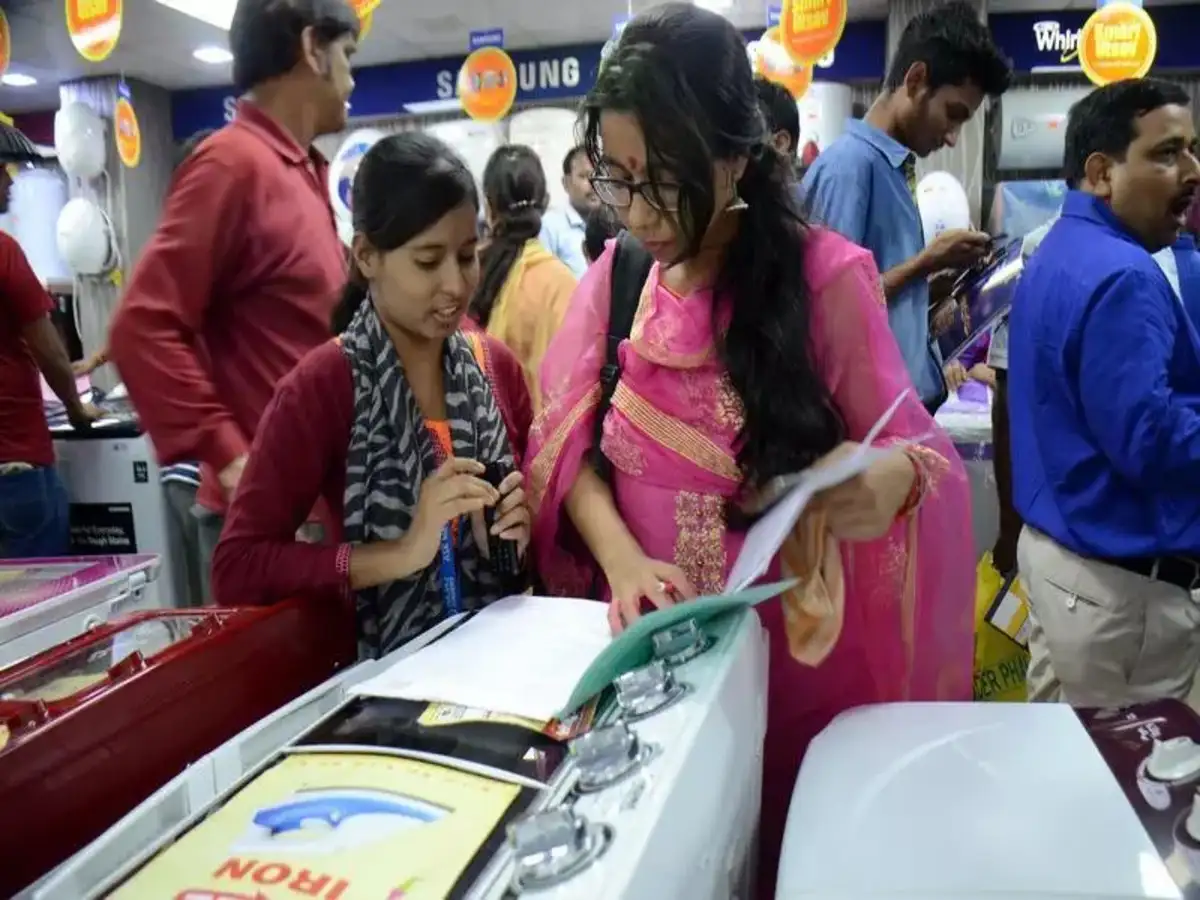
Auto retail sales in India experienced a remarkable surge during the recent Navratri festival, with a 34% increase compared to last year, reaching an impressive 11.6 lakh units. This growth was largely attributed to the reduction in Goods and Services Tax (GST) rates that took effect on September 22, coinciding with the festive season. In contrast, the overall automobile retail sales for September showed a modest year-on-year growth of 5%, totaling 18.3 lakh units. The data, released by the Federation of Automobile Dealers Associations (FADA), highlights a significant shift in consumer behavior as buyers rushed to make purchases in anticipation of the new tax rates.
Record Sales Across Vehicle Categories
The Navratri period saw unprecedented demand across various vehicle categories, particularly for passenger cars, two-wheelers, and three-wheelers. Passenger vehicle sales soared by 35%, reaching 2.2 lakh units, up from 1.6 lakh units during the same period last year. Similarly, two-wheeler sales surged by 36%, totaling 8.3 lakh units compared to 6.1 lakh units in the previous year. The three-wheeler segment also experienced a notable growth of 25%, with sales hitting 46,204 units, up from 37,097 units last year. Commercial vehicle sales rose by 15%, reaching 33,856 units, while tractor sales increased by 19%, totaling 21,604 units. This surge in demand reflects a robust recovery in the automotive sector, driven by favorable market conditions and consumer sentiment.
Impact of GST Cuts and Festive Offers
The reduction in GST rates has played a crucial role in stimulating demand in the automotive market. FADA Vice President Sai Giridhar noted that the Navratri 2025 sales figures would be remembered as a significant milestone in the automotive retail landscape. Dealerships across the country reported record footfalls and deliveries, as manufacturers passed on the benefits of the GST cuts to consumers. Major automotive companies, including Maruti, Hyundai, Tata Motors, and Mercedes-Benz, reported strong sales figures, bolstered by additional festive offers. Giridhar emphasized the positive impact of timely policy changes on consumer sentiment, highlighting how the automotive sector has responded to these favorable conditions.
Future Outlook and Continued Demand
Looking ahead, automotive companies anticipate sustained demand through the upcoming Diwali season. Reports indicate that certain models are already experiencing stock shortages due to the surge in consumer interest. Shailesh Chandra, Managing Director of Tata Motors’ Passenger Vehicles division, expressed optimism about the future, stating that the recent demand surge sets a promising tone for continued growth. He noted that new bookings doubled in the latter half of September following the GST reductions. Mercedes-Benz also reported a record-breaking sale of 2,500 cars during the Navratri period, marking a significant achievement for the luxury car segment. Mahindra & Mahindra echoed this sentiment, reporting record customer purchases, particularly in the SUV segment, which saw over 60% growth compared to the previous year.
The automotive sector’s robust performance during the Navratri festival underscores the importance of favorable economic policies and consumer confidence in driving sales. As the industry prepares for the festive season, stakeholders remain optimistic about maintaining this upward trajectory in vehicle sales.
Observer Voice is the one stop site for National, International news, Sports, Editor’s Choice, Art/culture contents, Quotes and much more. We also cover historical contents. Historical contents includes World History, Indian History, and what happened today. The website also covers Entertainment across the India and World.
Follow Us on Twitter, Instagram, Facebook, & LinkedIn

