

16th Finance Commission Maintains 41% Tax Allocation Insights

The 16th Finance Commission has submitted its report to President Droupadi Murmu, recommending that states maintain their share of the divisible pool of central taxes at 41%. The Commission emphasizes the need for outcome-based spending, enhanced transparency in tax data, and improved fiscal discipline among states. Established on December 31, 2023, the Commission aims to guide fiscal transfers from the Union government to states for the period from April 2026 to March 2031.
Key Recommendations for Fiscal Management
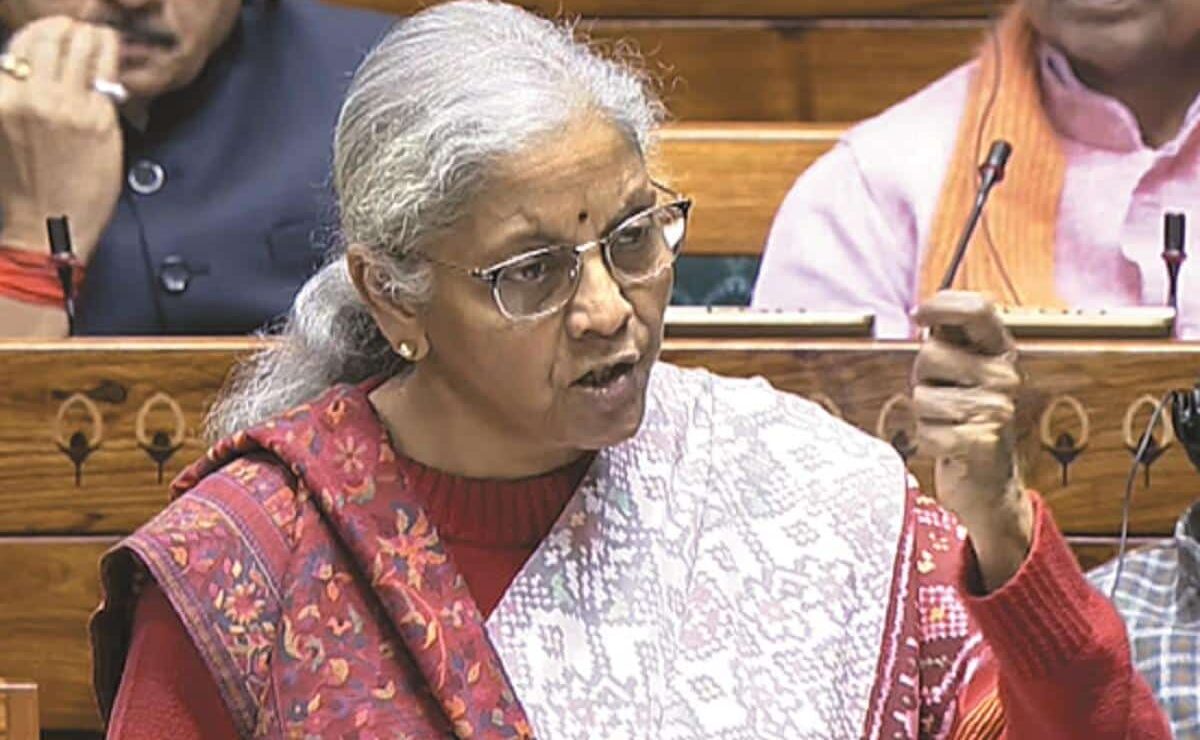
The 16th Finance Commission has outlined several crucial recommendations aimed at improving fiscal management across Indian states. One of the primary suggestions is to retain the states’ share of the divisible pool of central taxes at 41%. This recommendation has already been accepted by Finance Minister Nirmala Sitharaman, who announced that the government would allocate ₹1.4 lakh crore to states for the fiscal year 2026-27 as Finance Commission Grants. These grants will support both rural and urban local bodies, as well as disaster management initiatives. The Commission also stressed the importance of enhancing efficiency in public spending and establishing robust fiscal accountability frameworks to ensure that resources are utilized effectively.
Changes to Horizontal Devolution Criteria
In its assessment of horizontal devolution, which determines how funds are distributed among states, the Commission has retained traditional parameters such as population, demographic performance, area, forest cover, and per-capita income distance. However, it has introduced a new criterion: the contribution to Gross Domestic Product (GDP), which will carry a weight of 10%. This addition aims to link fiscal transfers to states’ economic performance, thereby promoting efficiency and accountability. The Commission believes that this approach will encourage states to improve their tax efforts and fiscal discipline while addressing development gaps through equitable resource distribution.
Discontinuation of Revenue Deficit Grants
The Commission has decided to discontinue revenue deficit grants, citing that such grants can weaken the incentive for states to implement necessary fiscal reforms. It noted that many states face revenue deficits primarily due to committed and discretionary expenditures. By eliminating these grants, the Commission aims to encourage states to rationalize their spending and enhance revenue generation. This move continues the trend established by the previous Finance Commission, which had already reduced revenue deficit grants to near-zero levels by the fiscal year 2026.
Focus on Local Bodies and Disaster Management
The 16th Finance Commission has proposed a significant allocation of ₹7,91,493 crore in grants for rural and urban local bodies for the period from FY27 to FY31. These grants will be divided into basic and performance-linked components, incentivizing states to improve local revenue systems. Additionally, the Commission has recommended a disaster management corpus of ₹2,04,401 crore for states, emphasizing the need for real-time data monitoring in disaster management. This includes transforming the National Disaster Management Information System into a real-time platform and expanding the list of national disasters to include heatwaves and lightning. These recommendations reflect a comprehensive approach to enhancing fiscal responsibility and transparency in state governance.
Observer Voice is the one stop site for National, International news, Sports, Editor’s Choice, Art/culture contents, Quotes and much more. We also cover historical contents. Historical contents includes World History, Indian History, and what happened today. The website also covers Entertainment across the India and World.
Follow Us on Twitter, Instagram, Facebook, & LinkedIn

