

Why Two Identical Pedestrian Accidents Can Lead to Completely Different Legal Outcomes

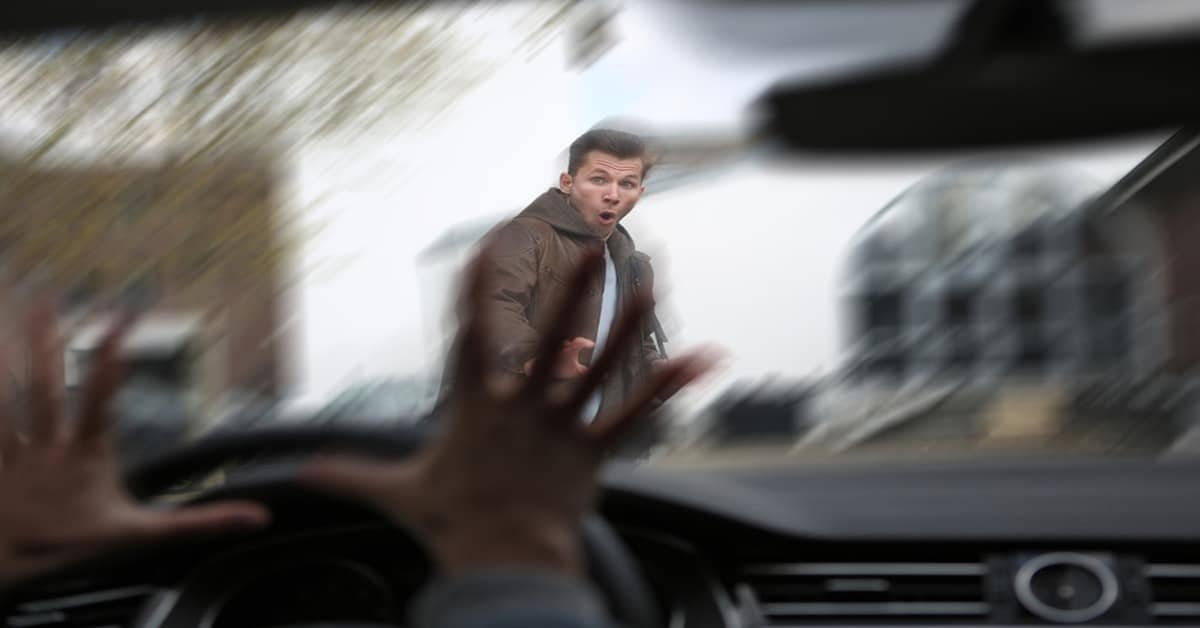
A pedestrian accident often looks like a simple picture from the outside, a road, a vehicle, and a moment of impact. Yet the legal outcome behind two similar scenes can move in completely different directions. What appears identical at first glance often splits into different results once details are examined closely. Small shifts in timing, location, or reporting can quietly change the entire direction of a claim.
This is where many people begin to understand why legal help for injured pedestrians becomes part of the process, because the story of the accident is never shaped by appearance alone. This discussion looks at why those differences matter so much in real cases.
1. Small Differences in Location Details
Two pedestrian accidents may seem the same, especially if both happen at a crosswalk or intersection, but the exact position of each person often changes the entire legal reading. Standing a few feet ahead or behind a marked line can shift responsibility in ways most people do not expect. Road design, lane width, and visibility angles also play a quiet role in shaping how the incident is understood later.
In busy traffic areas, even slight differences in where the pedestrian stepped can change how fault is interpreted. One case may show clear visibility while another may suggest partial obstruction. These small variations become important when records are reviewed, and decisions are made about how the event unfolded.
2. Timing and Signal Interpretation
Timing carries a strong influence in pedestrian accident cases, even when the physical impact looks similar. A signal changing just seconds earlier or later can alter how responsibility is assigned. Drivers and pedestrians often remember the timing differently, and that difference becomes part of the legal discussion.
Traffic signals, walk signs, and movement flow are all read carefully during case review. A green signal in one situation may support a different conclusion than a flashing signal in another, even if both accidents appear identical in outcome. This small shift in timing can quietly change the entire direction of how the event is understood.
3. Conflicting Statements from Drivers and Pedestrians
After a pedestrian accident, both sides often describe the event in different ways. Stress and shock can affect memory, and even honest accounts may not fully match. One person may focus on speed, while the other may focus on direction or distance. These differences become important during review.
Insurance teams compare these statements carefully, looking for consistency and clarity. Even minor differences in description can influence how responsibility is viewed. Over time, these small gaps between accounts can lead to very different conclusions, even when the physical accident looks exactly the same on paper.
4. Evidence Availability and Quality Differences
Evidence plays an important role in how pedestrian accidents are reviewed, and it is rarely the same in two similar cases. One incident may have clear video footage, while another may depend mainly on what witnesses remember. This difference alone can change how the case moves forward.
In some situations, street cameras capture the full event, while in others only partial angles are available. Witnesses may also be present in one case and absent in another. Strong visual proof can make facts clearer, while missing evidence leaves room for different interpretations and outcomes.
5. Insurance Evaluation Methods Are Not Uniform
Insurance review processes do not follow the same path for every case, even when accidents look similar on the surface. Two nearly identical pedestrian accidents may be handled in different ways depending on the first level of assessment.
Some cases go through detailed review, while others move faster through standard evaluation stages. Each review looks at reports, damage details, and injury records, but the importance given to each factor can vary. This difference in evaluation methods can quietly shape settlement talks and final outcomes. Often, results change based on how information is interpreted rather than the accident itself.
6. Differences in Medical Reporting and Injury Documentation
Medical records play a major role in how pedestrian accident claims are understood, and even small changes in documentation can lead to different outcomes. One case may include immediate hospital care, while another may show a delay in treatment, and this timing can influence how injuries are viewed. Doctors may also describe similar symptoms in slightly different ways, which later affects interpretation of the record.
One report might note mild discomfort, while another provides more detailed findings. Over time, these differences shape how the claim develops, and similar injuries may be valued differently depending on how they are recorded.
Why Similar Cases Do Not Stay the Same in Legal Review
Even when two pedestrian accidents appear identical on the surface, the legal process reads them differently once deeper details are reviewed. Small changes in location, timing, statements, evidence, insurance handling, and medical records all combine to create separate outcomes. Nothing stays fixed once these layers are added.
This is why legal help for injured pedestrians often becomes part of the process, since the final outcome depends less on appearance and more on how each detail is documented and understood across every stage of review.
Closing Thoughts
Pedestrian accidents that look the same at first can move in very different directions once the details are examined. Each layer of information adds its own influence, shaping how responsibility and results are decided. The final outcome is not shaped by the scene alone, but by how each part of the incident is recorded, compared, and understood over time.
Observer Voice is the one stop site for National, International news, Sports, Editor’s Choice, Art/culture contents, Quotes and much more. We also cover historical contents. Historical contents includes World History, Indian History, and what happened today. The website also covers Entertainment across the India and World.

