

What Are the Financial Implications of India vs Pakistan T20 World Cup Absence?

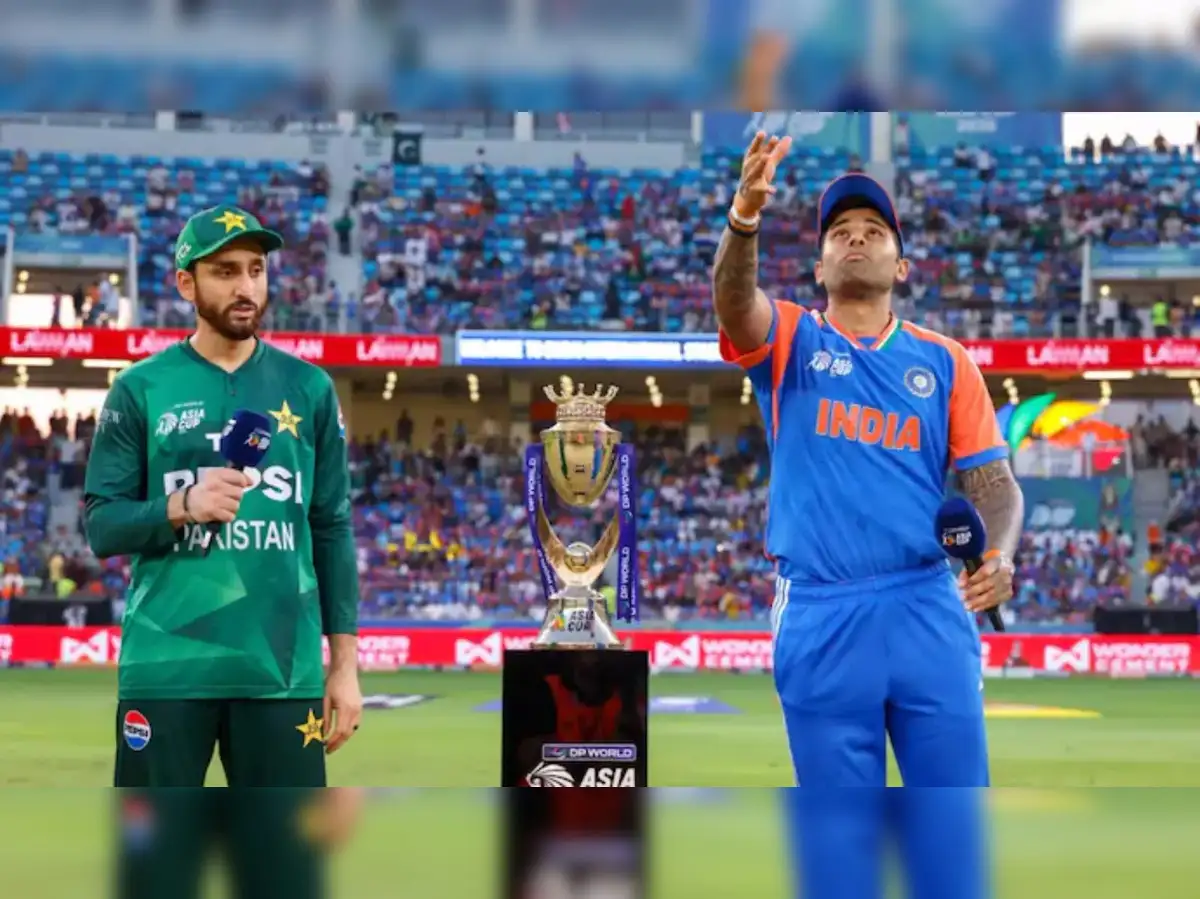
An anticipated clash between India and Pakistan at the upcoming T20 World Cup is projected to generate an astonishing USD 250 million (over Rs 2,200 crore) in revenue. However, the Pakistan government’s recent announcement to boycott the match scheduled for February 15 in Colombo could lead to significant financial repercussions for all parties involved. The absence of this high-stakes encounter not only threatens the financial interests of the International Cricket Council (ICC) but also impacts broadcasters and sponsors who rely on the massive viewership that such a rivalry attracts.
Financial Implications of the Boycott
The decision by the Pakistan government to withdraw from the match could have dire financial consequences. If Pakistan maintains its stance, it risks forfeiting millions in revenue. A walkover would not only result in a loss for the Pakistan Cricket Board (PCB) but also inflict substantial financial damage on the ICC and JioStar, the media rights holder for the tournament. Currently, JioStar is in the process of renegotiating a USD 3 billion agreement with the ICC, and the absence of this marquee match could complicate those discussions.
Broadcasters are particularly concerned about the potential advertising losses, which are estimated to range between Rs 200 crore and Rs 250 crore. A single 10-second commercial slot during an India-Pakistan match can command up to Rs 40 lakh, highlighting the lucrative nature of this fixture. While India would receive full points in the event of a walkover, the ICC retains the authority to impose financial penalties on the PCB, further complicating the situation.
The Value of the India-Pakistan Rivalry
The financial stakes surrounding an India-Pakistan match are monumental. Each encounter is valued at approximately USD 250 million, a figure that dwarfs the PCB’s annual revenue of USD 35.5 million. This stark contrast underscores the immense commercial power of this rivalry, which draws in over a billion viewers globally. Former ICC and PCB communications chief Sami-ul-Hasan Burney emphasized the scale of the financial implications, stating that the losses from a single match could amount to USD 250 million when all factors are considered.
The ICC has also expressed its concerns regarding Pakistan’s selective participation in global events. The organization stated that such a position undermines the integrity and fairness of competitions, which are built on the principles of competitiveness and consistency. The ICC’s response highlights the unmatched importance of the India-Pakistan fixture in the context of international cricket.
Current Status and Future Considerations
Despite the uncertainty surrounding the India-Pakistan match, Pakistan’s cricket team has departed for Colombo to participate in the remaining matches of the tournament, which begins on February 7. The ICC, PCB, and Board of Control for Cricket in India (BCCI) have previously agreed to a hybrid model for India-Pakistan fixtures until 2027. This agreement complicates the PCB’s position, as a selective withdrawal could be difficult to justify.
The situation escalated following the removal of Bangladesh pacer Mustafizur Rahman from the Indian Premier League (IPL) due to BCCI instructions, which ultimately led to Bangladesh’s withdrawal from the ICC event co-hosted by India and Sri Lanka. As the tournament approaches, the ramifications of the Pakistan government’s decision will continue to unfold, impacting not only the teams but also the broader cricketing landscape.
Observer Voice is the one stop site for National, International news, Sports, Editor’s Choice, Art/culture contents, Quotes and much more. We also cover historical contents. Historical contents includes World History, Indian History, and what happened today. The website also covers Entertainment across the India and World.

