

West Asia Conflict: Government Monitoring Situation to Maintain Steady Supply Chains

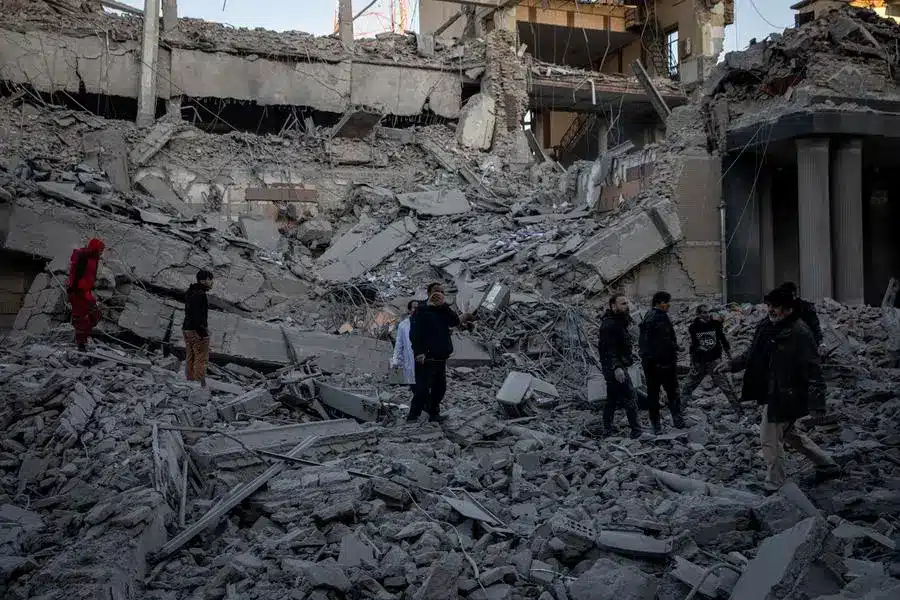
The current price situation in India remains stable, despite rising tensions in West Asia, according to top government officials. They emphasize that the Centre is closely monitoring the situation and actively working to ensure a steady supply of essential commodities. Regular review meetings at the Prime Minister’s Office (PMO) are being held to identify potential stress points and implement immediate solutions to safeguard the economy.
Government Monitoring and Supply Management
Officials from key ministries are conducting daily assessments of the economic landscape, particularly in relation to the ongoing conflict in West Asia. The PMO is engaged in high-level discussions with various countries to secure supplies of crucial resources, including energy and fertilizers. These proactive measures aim to mitigate any adverse effects on the Indian economy. The government is committed to maintaining a stable supply chain, with regular meetings to evaluate the situation and respond swiftly to any emerging challenges. The focus is on ensuring that the country remains resilient in the face of external pressures.
Impact of Rising Oil Prices
Recent reports indicate that the surge in global crude oil prices, which recently crossed the $92 per barrel mark, is being closely monitored. Officials believe that the inflationary impact from these rising prices will remain within manageable limits for the time being, as there have been no increases in diesel and petrol prices. A finance ministry report suggests that for macroeconomic indicators to show significant strain, crude oil prices would need to remain above $100 per barrel for an extended period. The government is optimistic that measures taken by the United States regarding Russian oil could help alleviate some supply pressures.
Fertilizer Stocks and Agricultural Concerns
In terms of agricultural supplies, officials report that fertilizer stocks are currently manageable for the upcoming sowing season. Notably, urea stocks in March this year are higher compared to the same month last year. The government is actively discussing strategies to secure additional supplies and ensure that farmers are not adversely affected. However, there are concerns regarding the impact of the ongoing conflict on India’s exports, particularly in the agricultural sector. The commerce ministry is working on plans to support exporters and explore alternative markets as part of a broader diversification strategy.
Future Preparedness and Strategic Planning
Recognizing the potential for a prolonged conflict, the government has developed contingency plans to address future supply challenges. Discussions are underway at the highest levels to explore alternative sources for gas and oil, with expectations that these supplies could be available within 35 to 40 days. The government remains vigilant and prepared to adapt to changing circumstances, ensuring that the economy can withstand external shocks while maintaining stability for its citizens.
Observer Voice is the one stop site for National, International news, Sports, Editor’s Choice, Art/culture contents, Quotes and much more. We also cover historical contents. Historical contents includes World History, Indian History, and what happened today. The website also covers Entertainment across the India and World.
Follow Us on Twitter, Instagram, Facebook, & LinkedIn

