

Vascular Dementia: How Strokes and Blood Flow Problems Affect Cognition

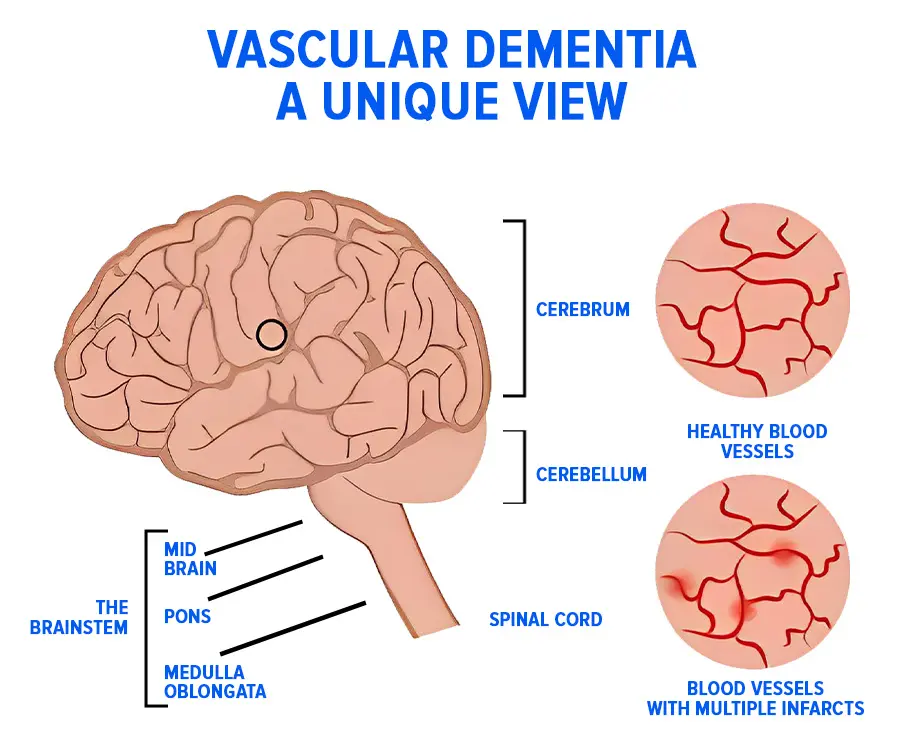
Imagine having a stroke. You recover physically but notice cognitive changes—memory becomes worse, thinking becomes slower, planning becomes difficult. Months later, another small stroke occurs. Again, cognitive function declines. Over years, multiple small strokes accumulate. The cumulative damage progressively impairs memory, thinking, and executive function. Eventually, dementia develops. This is vascular dementia—the third most common dementia after Alzheimer’s disease and Lewy body dementia, where progressive cerebrovascular disease and recurrent strokes cause cumulative cognitive decline. Vascular dementia is a progressive cognitive decline resulting from cerebrovascular disease. The disease damages blood vessels supplying the brain. The damaged vessels reduce blood flow. The reduced blood flow causes repeated strokes—both large strokes causing obvious neurologic deficits and small strokes causing subtle cognitive changes. The cumulative brain damage from multiple strokes impairs cognitive function. Vascular dementia accounts for approximately 10 to 20 percent of dementia cases. Some estimates suggest higher prevalence in certain populations. The disease is more common in people with cardiovascular risk factors—hypertension, diabetes, hyperlipidemia, smoking. Vascular dementia typically develops in older adults, though it can occur at any age after stroke. The disease often coexists with Alzheimer’s disease pathology—mixed dementia. The combination of vascular damage plus Alzheimer’s pathology causes more severe dementia than either alone. What makes vascular dementia particularly important is that it is largely preventable. Controlling cardiovascular risk factors—blood pressure, diabetes, cholesterol, smoking—can prevent or delay vascular dementia development. Treating transient ischemic attacks (TIAs) and strokes can prevent recurrent strokes. The preventive approach distinguishes vascular dementia from Alzheimer’s disease where prevention is less developed. In this comprehensive article, we will explore what vascular dementia is, understand how cerebrovascular disease damages cognition, recognize risk factors and symptoms, learn about disease progression and stroke types, understand diagnostic methods, explore treatment and prevention strategies, and discover how aggressive cardiovascular management can prevent or slow vascular dementia development.
Understanding Normal Brain Blood Supply and Cerebrovascular Function
Before we explore vascular dementia, we need to understand how the brain is supplied with blood and what happens when blood supply is interrupted. The brain requires constant oxygen and nutrient delivery. The brain consumes approximately 20 percent of the body’s oxygen despite being only 2 percent of body weight. The brain cannot store oxygen—it requires continuous blood flow. Loss of blood flow even briefly causes neuronal dysfunction. Prolonged loss of blood flow causes neuronal death—stroke. The cerebral circulation supplies the brain. The carotid arteries (internal carotid arteries) supply the front and middle of the brain. The vertebral arteries supply the back of the brain. The Circle of Willis is an arterial ring at the brain base connecting major arteries. The Circle of Willis provides collateral circulation—alternative pathways if main vessels are blocked. Blood vessels branch progressively into smaller arteries. Small arteries branch into arterioles. Arterioles branch into capillaries. Capillaries form networks allowing nutrient and oxygen exchange. Capillaries rejoin into venules. Venules join into larger veins draining blood from the brain. The microvascular system—capillaries and very small vessels—supplies individual brain regions. Each brain region depends on adequate microvascular blood flow. The blood-brain barrier (BBB) protects the brain. Tight junctions between endothelial cells form a selective barrier. Large molecules cannot cross. Necessary nutrients cross. The BBB is damaged by hypertension, diabetes, and cerebrovascular disease. Damaged BBB allows fluid accumulation and inflammation. Cerebral autoregulation maintains constant blood flow. The brain can dilate or constrict vessels maintaining blood flow despite blood pressure changes. However, hypertension damages autoregulation. Chronic high blood pressure causes vascular stiffness. The stiffness impairs autoregulation. The brain becomes vulnerable to blood pressure fluctuations. Stroke occurs when blood flow is interrupted. Ischemic stroke from vessel blockage—the most common type. Hemorrhagic stroke from bleeding. Transient ischemic attack (TIA) from temporary blockage. TIA symptoms resolve within 24 hours. However, TIA causes neuronal dysfunction and sometimes permanent damage. Recurrent TIAs cause cumulative brain damage. In vascular dementia, recurrent strokes and chronic cerebrovascular disease progressively damage the brain causing cognitive decline.
What is Vascular Dementia?
Vascular dementia is progressive cognitive decline resulting from cerebrovascular disease. The disease encompasses multiple pathologic mechanisms. Recurrent large strokes cause obvious infarcts. Brain tissue dies from loss of blood flow. Multiple infarcts cause cumulative neurologic loss. Strategic infarct dementia results when infarcts damage critical regions. A single strategically located stroke can cause dementia if the damaged region is crucial for cognition. Lacunar strokes cause small infarcts. Multiple lacunar strokes—sometimes hundreds—cause cumulative damage. The small infarcts individually are clinically silent. Collectively, they cause cognitive impairment. White matter disease develops from chronic cerebrovascular disease. Small vessel disease damages small arteries. The damaged vessels develop lipohyalinosis—hyaline material accumulation in vessel walls. The damage impairs blood flow. White matter—myelinated axons connecting brain regions—becomes damaged. Myelin is damaged from chronic ischemia. The white matter damage disrupts communication between brain regions. Cognitive dysfunction results. Brain atrophy develops from repeated ischemia. Neurons damaged by ischemia gradually die. Brain volume progressively decreases. The atrophy contributes to cognitive decline. Cerebral amyloid angiopathy (CAA) damages vessels. Amyloid protein deposits in vessel walls. The deposits weaken vessels. Vessel rupture and microhemorrhages occur. The hemorrhages cause inflammation and neuronal damage. Endothelial dysfunction impairs blood-brain barrier. Chronic hypertension and other risk factors damage endothelial cells lining blood vessels. The damaged endothelium loses protective function. The leaky BBB allows fluid accumulation. Inflammation develops. Neuronal damage results. Risk factors for vascular dementia are cardiovascular risk factors. Hypertension—the most important risk factor. High blood pressure damages blood vessels. Hypertension causes vascular stiffness impairing autoregulation. Hypertension accelerates atherosclerosis. Diabetes increases vascular disease. High blood sugar damages blood vessels. Diabetes causes atherosclerosis. Diabetes causes small vessel disease. Hyperlipidemia—elevated cholesterol. Elevated cholesterol promotes atherosclerosis. Smoking damages blood vessels. Smoking accelerates atherosclerosis. Atrial fibrillation increases stroke risk. Irregular heartbeat promotes blood clots. Blood clots lodge in arteries causing stroke. Obesity increases vascular disease risk. Metabolic syndrome increases risk. Prior stroke or TIA dramatically increases dementia risk. Multiple TIAs cause cumulative damage. Prior stroke indicates vascular disease. The presence of additional vascular disease indicates further stroke risk. Age increases vascular dementia risk. Older age has more accumulated vascular disease. Chronic kidney disease increases risk. Kidney and brain vessels are similarly vulnerable. Sleep apnea increases risk. Intermittent oxygen deprivation damages vessels and brain. The cumulative effect of risk factors determines vascular dementia development. Single risk factors rarely cause vascular dementia. Multiple risk factors combined increase dementia risk substantially.
Recognizing Vascular Dementia Symptoms: Cognitive Decline Pattern
Vascular dementia symptoms differ from Alzheimer’s disease. The pattern of cognitive decline differs. Recognizing the pattern helps diagnosis. Memory loss is less prominent than in Alzheimer’s disease. Alzheimer’s causes severe early memory loss. Vascular dementia causes milder memory loss. Executive function loss is more prominent. Planning becomes difficult. Decision-making becomes impaired. Attention becomes impaired. Concentration becomes difficult. Processing speed slows. Initiation becomes impaired. The person has difficulty initiating activities. The prominent executive dysfunction distinguishes vascular dementia from Alzheimer’s. Language is often relatively preserved. Speech remains fluent. Comprehension remains intact. The fluent, preserved speech contrasts with progressive aphasia seen in frontotemporal dementia. Visuospatial function is often impaired. Spatial orientation becomes difficult. Depth perception becomes impaired. Getting lost occurs. Gait disturbance is common. Vascular dementia causes distinctive gait problems. Marching gait—stiff, slow, shuffling walking. The gait resembles Parkinson’s disease but without the tremor. Falls are common. Balance becomes impaired. The fall risk is higher in vascular dementia than Alzheimer’s. Mood changes develop. Depression is common. Apathy develops. Emotional lability—rapid mood swings—occurs. The mood changes partly result from brain damage. The mood changes partly result from reactive mood disturbance from cognitive decline and disability. Stroke symptoms sometimes occur. Focal neurologic deficits appear acutely. Weakness, numbness, speech difficulty, vision loss. The acute symptoms indicate acute stroke. Symptoms from prior strokes might remain. Residual weakness. Residual speech problems. Residual vision loss. The combination of residual neurologic deficits plus cognitive changes suggests vascular dementia. Cognitive decline pattern differs from Alzheimer’s. Alzheimer’s causes gradual, progressive decline. Vascular dementia causes step-wise decline. Sudden cognitive decline following stroke. Plateau between strokes. Another stroke causes further decline. The step-wise pattern is characteristic. However, small vessel disease causes more gradual decline. The cognitive decline is slower initially. Progression accelerates over years. Eventually, significant dementia develops.
Understanding Stroke Types and Their Cognitive Impact
Understanding different stroke types helps explain how vascular dementia develops. Ischemic stroke is the most common type (approximately 85 percent of strokes). Blood vessels are blocked. Blood flow is interrupted. Brain tissue dies from lack of oxygen. Large vessel atherosclerotic stroke results from plaque buildup in major arteries. Atherosclerotic plaques narrow vessels. Blood clots form on plaques. Clots lodge distally causing occlusion. Large brain areas are damaged. Obvious neurologic deficits occur. Dementia risk is high if strategic regions are damaged. Cardioembolic stroke results from heart disease. Atrial fibrillation causes blood clots in heart. Clots embolize to brain. Blood clots lodge in brain arteries. Brain infarction occurs. Cardioembolic strokes often occur in strategic locations causing dementia. Small vessel disease stroke causes lacunar strokes. Small penetrating arteries are blocked. Small brain infarcts—lacunae—develop. Individual lacunae are clinically silent. Multiple lacunae cause cumulative cognitive damage. Hypertension causes small vessel disease. Lacunar strokes from hypertension cause vascular dementia. Hemorrhagic stroke results from vessel rupture. Intracerebral hemorrhage—bleeding in the brain. Blood accumulates forming a hematoma. The hematoma causes direct brain damage. Inflammation from blood irritates brain tissue. Hemorrhagic stroke can cause acute dementia from large bleeds. Subarachnoid hemorrhage—bleeding between membrane layers. Subdural hematoma—bleeding between membrane and brain. Epidural hematoma—bleeding above the dura. Transient ischemic attack (TIA) causes temporary symptoms. Blood flow is temporarily interrupted. Symptoms develop—weakness, numbness, speech difficulty. Blood flow is restored within minutes. Symptoms resolve within 24 hours. However, TIA causes neuronal damage and dysfunction. Recurrent TIAs cause cumulative brain damage. Multiple TIAs increase dementia risk. Strategic infarct dementia results from stroke in critical regions. A single stroke in a critical memory region might cause dementia. Thalamic stroke affects consciousness and memory. Dorsomedial thalamus stroke impairs memory. Infarction of medial temporal lobe affects memory. Frontal lobe stroke impairs executive function. The location of stroke determines cognitive consequences. Multiple small strokes have cumulative effect. One lacunar stroke causes no cognitive change. Ten lacunar strokes might cause measurable cognitive impairment. One hundred lacunar strokes cause substantial dementia. The cumulative effect of multiple small strokes is characteristic of vascular dementia.
Disease Progression: From Single Stroke to Dementia
Understanding how vascular dementia develops helps explain disease progression and prevention importance. Initial stroke causes neurologic deficit. A person has sudden weakness, speech difficulty, or vision loss. The acute stroke causes obvious symptoms. Recovery occurs over days to weeks. Some functions recover. Some deficits persist. Cognitive recovery occurs if cognitive regions are damaged. Residual cognitive problems remain. The person might notice difficulty concentrating. Memory might be slightly worse. Processing might be slower. These subtle cognitive changes might be attributed to stroke recovery. Additional strokes occur. Over months to years, recurrent strokes develop. Each stroke causes additional neurologic loss. Cognitive function progressively declines. The step-wise pattern of decline becomes evident. After each stroke, cognitive function is worse. Between strokes, function plateaus. Another stroke causes further decline. Cumulative cognitive loss develops. After several strokes, mild cognitive impairment develops. The person has objective cognitive impairment. Functional capacity is diminished. Some activities become difficult. Cognitive decline continues. Additional strokes occur. Cognitive reserve is exhausted. The brain cannot compensate further. Dementia develops. Cognitive impairment becomes severe. Significant functional loss occurs. Activities of daily living become difficult. The person requires assistance. Cognitive decline continues. Additional strokes occur. Severe dementia develops. The person loses ability to care for self. The person loses ability to communicate. Advanced dementia requires full-time care. Palliative care becomes necessary. The progression varies. Some patients develop dementia after one or few strategic strokes. Others develop dementia after many small strokes over years. Some patients have multiple stroke risk factors but no actual strokes—white matter disease and chronic ischemia alone cause dementia. The variable progression reflects the variable pattern of stroke and cerebrovascular disease. Aggressive risk factor control can slow or prevent progression. Treating hypertension. Controlling diabetes. Managing cholesterol. Smoking cessation. Treating atrial fibrillation. Antiplatelet or anticoagulant therapy. Aggressive risk factor management prevents additional strokes. The prevention of additional strokes prevents additional cognitive decline. The prevention is the primary strategy for vascular dementia.
Diagnosis: Recognizing Vascular Dementia
Diagnosing vascular dementia requires clinical evaluation, cognitive testing, and brain imaging. The diagnosis requires demonstration of both cognitive impairment and cerebrovascular disease. Clinical history is crucial. Doctors ask about cognitive decline—memory loss, executive dysfunction. They ask about stroke history. Prior strokes or TIAs. Focal neurologic deficits. Risk factor history. Hypertension, diabetes, smoking, hyperlipidemia. Atrial fibrillation. Family history of stroke or dementia. Environmental exposures. Physical examination documents findings. Neurologic examination. Focal deficits from prior strokes—weakness, sensory loss, speech problems, gait disturbance. Blood pressure assessment. Cardiovascular examination. Heart rate—looking for atrial fibrillation. Heart murmurs indicating heart disease. Carotid examination for bruits suggesting stenosis. Neuropsychological testing evaluates cognition. Mini-Cog or Montreal Cognitive Assessment identify cognitive impairment. Detailed testing reveals executive dysfunction pattern. Memory testing often shows relative preservation. Executive function testing shows impairment. Processing speed testing shows slowing. Attention testing shows impairment. The pattern of impairment reflects vascular damage. Blood tests assess vascular risk factors and disease. Lipid panel—cholesterol and triglycerides. Blood glucose or hemoglobin A1c—diabetes screening. Kidney function—renal disease assessment. Coagulation studies. Complete blood count. Thyroid function. Vitamin B12 and folate—deficiency screening. Syphilis screening. These tests identify modifiable risk factors. Brain imaging is essential. MRI brain shows infarcts and white matter disease. Acute infarcts appear bright on diffusion-weighted images. Chronic infarcts appear as dark regions. White matter disease appears as white matter hyperintensities (bright regions in white matter on T2 and FLAIR sequences). Brain atrophy is apparent. The pattern of infarcts and white matter disease supports vascular dementia diagnosis. CT brain is alternative if MRI is contraindicated. CT shows large infarcts. CT shows hemorrhage. CT shows brain atrophy. CT is less sensitive for white matter disease than MRI. Carotid ultrasound assesses carotid stenosis. Plaque and narrowing are detected. Significant stenosis indicates high stroke risk. Carotid imaging might indicate need for intervention. Echocardiogram assesses heart. Heart valve disease. Cardiac thrombus. Left ventricular dysfunction. Atrial fibrillation. Cardiac disease requires treatment. EEG is usually normal. It rules out seizures. Seizures sometimes present as cognitive impairment. The diagnosis of vascular dementia requires: cognitive impairment plus evidence of cerebrovascular disease (prior stroke, TIA, or brain imaging showing infarcts or white matter disease). The cognitive pattern should reflect vascular damage with executive dysfunction more prominent than memory loss. Some diagnostic uncertainty is expected.
Treatment and Prevention: The Core Strategy for Vascular Dementia
Vascular dementia treatment focuses on preventing additional strokes and risk factor control. No cure exists for completed brain damage. However, preventing additional damage prevents dementia progression. Hypertension management is the most important intervention. Blood pressure targets less than 130/80 mmHg are recommended. ACE inhibitors reduce blood pressure and protect kidneys. Angiotensin receptor blockers (ARBs) are alternatives. Calcium channel blockers reduce blood pressure. Diuretics help some patients. Beta-blockers reduce cardiovascular events. Multiple antihypertensive medications often necessary. Diabetes management is crucial. Blood glucose control prevents microvascular disease. Hemoglobin A1c target less than 7 percent. Metformin is first-line medication. GLP-1 agonists help some patients. SGLT2 inhibitors help cardiovascular disease. Insulin if oral medications insufficient. Glucose control prevents further vascular damage. Cholesterol management is important. Statins reduce atherosclerotic disease. LDL cholesterol target less than 70 mg/dL in high-risk patients. High-dose statins are recommended. Ezetimibe lowers cholesterol. PCSK9 inhibitors help severe hyperlipidemia. Cholesterol management reduces atherosclerosis progression. Smoking cessation is essential. Smoking accelerates atherosclerosis. Smoking increases stroke risk. Complete smoking cessation is necessary. Nicotine replacement therapy helps. Antidepressants help some smokers quit. Weight loss helps if overweight. Obesity increases cardiovascular risk. Weight loss to body mass index less than 25 kg/m² is ideal. Regular exercise helps weight loss. Cardiovascular conditioning helps. Atrial fibrillation treatment prevents cardioembolic stroke. Anticoagulation with warfarin or direct oral anticoagulants. Anticoagulation dramatically reduces stroke risk. Antiplatelet therapy for some patients. Aspirin prevents atherosclerotic stroke. Aspirin plus clopidogrel used after acute stroke. Combined therapy increases bleeding risk. Antiplatelet choice depends on stroke mechanism. Carotid endarterectomy or stenting. High-grade carotid stenosis increases stroke risk. Carotid intervention prevents stroke. Intervention is recommended for symptomatic stenosis greater than 70 percent. Intervention is considered for asymptomatic stenosis greater than 80 percent. Cognitive rehabilitation helps maintain function. Cognitive exercise programs. Memory aids. External organizational systems. Occupational therapy helps maintain ADL function. Physical therapy helps maintain mobility. Gait training helps prevent falls. Physical activity reduces stroke risk. Regular aerobic exercise. Walking programs. Resistance training. Cognitive activities help maintain mental function. Reading. Puzzles. Learning activities. Social engagement helps maintain cognitive function. Social activities. Community involvement. Spiritual activities. Sleep optimization helps brain health. Sleep promotes memory consolidation. Sleep duration and quality assessment. Sleep apnea screening and treatment. Insomnia management. Regular sleep schedule. Medications for psychiatric symptoms. Antidepressants help depression. Anti-anxiety medications help anxiety. Behavioral therapy helps mood. Early intervention after stroke prevents dementia. Acute stroke treatment with thrombolysis. Mechanical thrombectomy. Rehabilitation after stroke. Physical, occupational, and speech therapy. Cognitive rehabilitation. Psychosocial support. The core strategy for vascular dementia is prevention—preventing additional strokes through aggressive risk factor management.
Living with Vascular Dementia: Cognitive Decline Management and Support
Living with vascular dementia requires cognitive support, stroke risk factor management, and adaptation to progressive disability. Risk factor management continues indefinitely. Blood pressure monitoring. Regular blood pressure checks. Home blood pressure monitoring. Goal attainment assessment. Medication adherence. Taking blood pressure medications as prescribed. Blood glucose management. Regular blood glucose checking (if diabetic). Hemoglobin A1c monitoring. Diabetes medication adherence. Cholesterol management. Regular lipid panel monitoring. Statin adherence. Weight management. Regular weight monitoring. Healthy diet. Regular exercise. Smoking avoidance or cessation. Cognitive adaptation. Memory aids—notes, calendars. External organizational systems. Simplified environment. Consistent routines. Clear communication. Activities of daily living support. Assistance with complex tasks. Adaptive devices. Environmental modifications. Fall prevention. Home safety modifications. Appropriate footwear. Physical therapy. Regular exercise. Balance training. Movement and gait monitoring. Gait disturbance assessment. Fall risk assessment. Physical therapy for gait dysfunction. Assistive devices if necessary. Canes or walkers. Wheelchair if mobility severely impaired. Mood management. Antidepressant adherence if prescribed. Behavioral therapy. Emotional support from family and friends. Mental health counseling. Social engagement. Activities maintaining cognitive function. Cognitive exercise programs. Hobbies and interests. Social connections. Support groups. Exercise programs. Regular physical activity within ability. Walking programs. Supervised exercise programs. Aquatic therapy. Healthcare coordination. Regular physician visits. Stroke risk assessment. Medication management. Imaging monitoring. Assessment for additional strokes. Caregiver support. Caregiver education about disease. Support groups for caregivers. Respite care. Mental health support for caregiver. Financial planning. Healthcare costs. Long-term care planning. Advanced directives. Healthcare proxy designation. Discussing preferences for end-of-life care. Palliative care as disease advances. Pain and symptom management. Comfort care. Support for dying. Rehabilitation potential. Many vascular dementia patients benefit from rehabilitation. Cognitive rehabilitation improves function in some. Physical therapy improves gait and mobility. Occupational therapy maintains independence. Early intervention produces better outcomes. Continued engagement in rehabilitation over time maintains function longer.
Frequently Asked Questions (FAQs)
Q1: Is vascular dementia preventable?
Yes, vascular dementia is largely preventable through aggressive risk factor control. Controlling hypertension, diabetes, cholesterol, and smoking prevents additional strokes. Preventing additional strokes prevents additional cognitive decline. Early aggressive risk factor control before dementia develops is most effective. However, even after vascular dementia develops, continued risk factor control prevents progression. The preventability distinguishes vascular dementia from Alzheimer’s disease.
Q2: Can vascular dementia be reversed?
Vascular dementia cannot be reversed because brain damage from prior strokes is permanent. The neurons are dead and cannot regenerate. However, remaining brain tissue has neuroplasticity—it can reorganize and develop new connections. Cognitive rehabilitation might help remaining brain tissue compensate. Some cognitive improvement is possible early after stroke. However, most vascular dementia is not reversible—prevention is the key strategy.
Q3: What is the difference between TIA and stroke?
TIA (transient ischemic attack) has temporary symptoms that resolve within 24 hours. Stroke has permanent neurologic deficit. However, the distinction is artificial—both TIA and stroke cause neuronal damage. TIA often precedes stroke. TIA indicates high stroke risk. Treatment of TIA prevents stroke. Multiple TIAs cause cumulative brain damage even without formal stroke. TIA and stroke are part of a spectrum of cerebrovascular disease.
Q4: Can dementia develop without obvious stroke?
Yes, dementia can develop from white matter disease and chronic small vessel disease without obvious strokes. The brain has small vessel disease from hypertension or diabetes. The small vessels are damaged. Blood flow is chronically impaired. White matter is damaged. The cumulative ischemic damage causes cognitive impairment. Brain imaging shows white matter hyperintensities. Actual infarcts might not be visible. The chronic ischemia without discrete infarcts causes vascular cognitive impairment.
Q5: How long do vascular dementia patients live?
Vascular dementia survival varies. Average survival is 5 to 8 years after dementia diagnosis. Some patients live only 2 to 3 years. Others live 15 years or more. Age at diagnosis influences survival. Younger patients often live longer. Older patients often progress more rapidly. Stroke frequency influences survival. Multiple strokes within short time indicate rapid progression. With aggressive risk factor control, some patients stabilize without additional strokes. Overall life expectancy is reduced compared to age-matched controls.
Key Takeaways
Vascular dementia is the third most common dementia resulting from cerebrovascular disease and recurrent strokes. The disease causes cognitive decline through multiple mechanisms—large infarcts, lacunar strokes, white matter disease, and chronic cerebrovascular disease. Risk factors include hypertension, diabetes, hyperlipidemia, smoking, atrial fibrillation, and prior stroke. Cognitive impairment pattern shows executive dysfunction more prominent than memory loss. Step-wise cognitive decline pattern reflects recurrent strokes. Gait disturbance and falls are common. Brain imaging shows infarcts and white matter hyperintensities. No cure exists for vascular dementia, but prevention is effective. Aggressive risk factor control prevents additional strokes. Blood pressure management is most important intervention. Diabetes control, cholesterol management, and smoking cessation prevent strokes. Antiplatelet or anticoagulant therapy prevents stroke. Early intervention after acute stroke prevents dementia. Cognitive rehabilitation helps maintain function. Fall prevention is important. Approximately 10 to 20 percent of dementia cases are vascular. Average survival is 5 to 8 years after diagnosis. Caregiver support is essential. Palliative care becomes important in advanced disease. Vascular dementia is largely preventable through aggressive cardiovascular risk factor management.
References
- World Health Organization (WHO). “Vascular Dementia and Cerebrovascular Disease.” Retrieved from https://www.who.int/
- American Heart Association. “Vascular Dementia: Prevention and Treatment.” Retrieved from https://www.heart.org/
- Mayo Clinic. “Vascular Dementia: Causes and Management.” Retrieved from https://www.mayoclinic.org/
- Cleveland Clinic. “Vascular Dementia: Complete Information.” Retrieved from https://my.clevelandclinic.org/
- National Institute on Aging. “Vascular Contributions to Cognitive Impairment.” Retrieved from https://www.nia.nih.gov/
- National Institute of Neurological Disorders and Stroke. “Stroke and Vascular Dementia.” Retrieved from https://www.ninds.nih.gov/
Related Articles on ObserverVoice.com
Explore more health and science topics on our platform:
- Understanding Stroke: Causes, Prevention, and Recovery
- Dementia: Understanding Cognitive Decline and Brain Disease
- Cardiovascular Health: Understanding Heart Disease and Stroke Risk
- Hypertension: Understanding High Blood Pressure and Complications
- The Brain: Structure, Function, and Neurological Health
- Living with Chronic Illness: Adaptation and Support Strategies
Disclaimer
This article adapts publicly available information from WHO sources. This content is for informational and educational purposes only and does not constitute medical advice. [ObserverVoice.com] is a news and information platform — not a healthcare provider. If you suspect you or a loved one has vascular dementia or have experienced stroke or TIA, consult a qualified neurologist or primary care physician for proper evaluation and diagnosis. Early and aggressive risk factor control prevents vascular dementia development. Always seek guidance from licensed healthcare specialists for diagnosis and treatment.
Observer Voice is the one stop site for National, International news, Sports, Editor’s Choice, Art/culture contents, Quotes and much more. We also cover historical contents. Historical contents includes World History, Indian History, and what happened today. The website also covers Entertainment across the India and World.
Follow Us on Twitter, Instagram, Facebook, & LinkedIn

