

US Supreme Court’s Ruling Puts Trump’s Trade Policy in Uncertainty: What’s Next for Companies and Sectors?

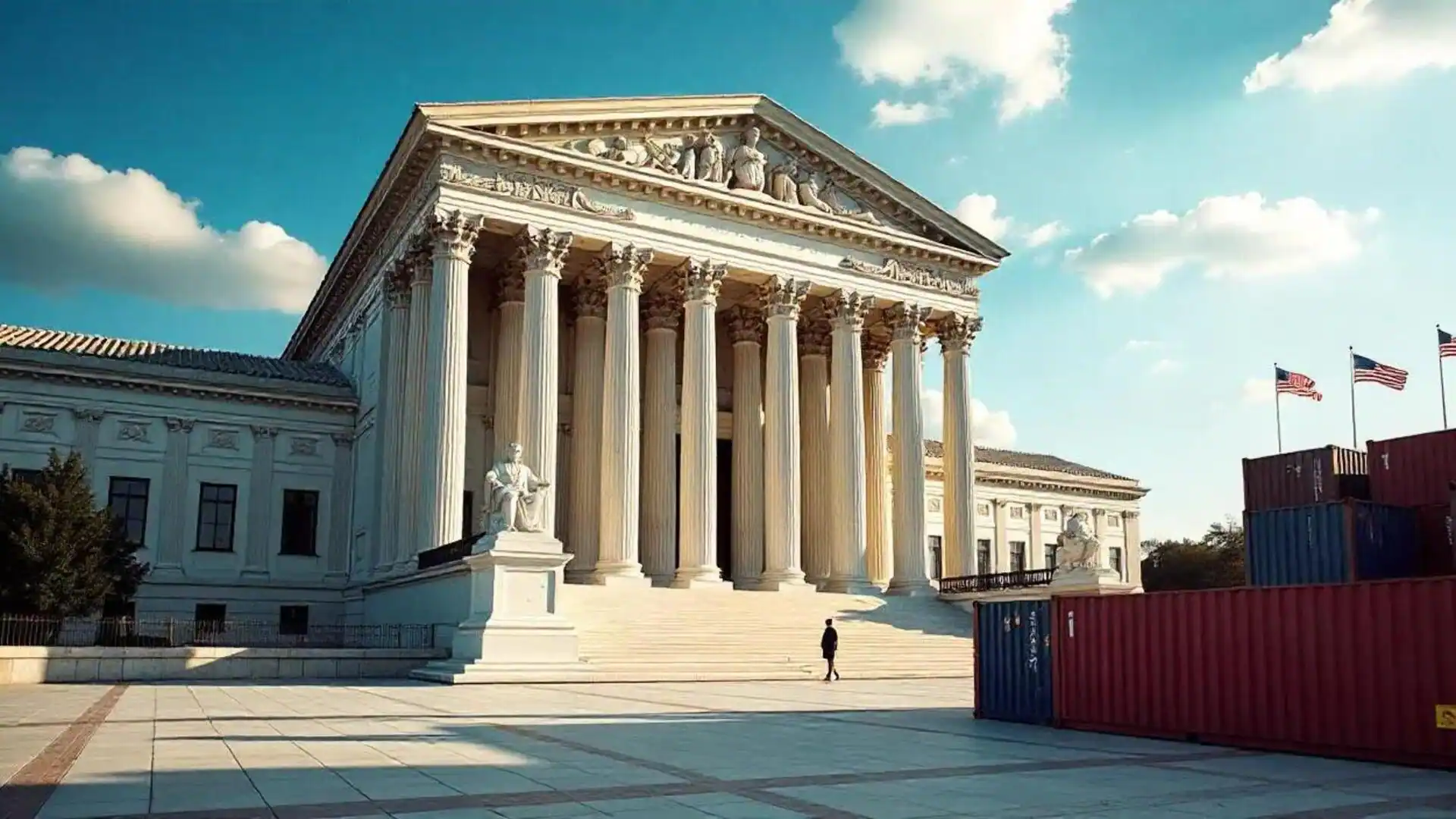
The U.S. Supreme Court has ruled that President Donald Trump cannot invoke emergency powers under the International Emergency Economic Powers Act (IEEPA) to impose tariffs, significantly impacting his trade strategy. This decision primarily affects the reciprocal tariffs introduced last April, which had raised average tariff rates to approximately 15%. While the ruling may reduce these rates by more than half, it does not eliminate the ongoing trade war. Other tariffs, particularly those on steel, pharmaceuticals, and automobiles, remain intact, keeping the overall average tariff rate above 6%.
Trump’s Continued Tariff Strategy
In response to the Supreme Court’s ruling, President Trump has announced a new 10% global tariff and plans to investigate unfair trade practices under the Trade Act of 1974. He emphasized that there are alternative methods to impose tariffs, stating, “We have other ways, numerous other ways.” Despite the legal complexities introduced by the ruling, which includes caps on tariff amounts and procedural requirements, Trump remains determined to pursue his trade agenda. U.S. Treasury Secretary Scott Bessent indicated that these new measures are expected to maintain tariff revenue levels in 2026, although the process may take longer due to the necessary investigations and hearings.
The Trade Act allows for tariffs of up to 15% for a limited duration to address international payment issues. However, the requirement for investigations to justify tariffs based on national security or unfair trade practices complicates the process. Trump’s administration will need to navigate these legal hurdles to implement new tariffs effectively.
Challenges for Importers and Global Trade Dynamics
The Supreme Court’s decision introduces uncertainty for U.S. importers, particularly smaller businesses that have already adjusted their supply chains in response to previous tariffs. Many companies have shifted their sourcing to countries like Thailand and Vietnam, while China continues to be a significant player due to its dominance in IT hardware imports. Trump acknowledged that the new tariff processes may take longer but expressed confidence that they would ultimately yield greater revenue.
The ongoing trade tensions have prompted global trading partners to seek more stable alliances, potentially reshaping international trade flows. As U.S. importers adapt to the evolving landscape, the impact of tariffs on their operations and profitability remains a critical concern.
Refunds and Economic Implications
The Supreme Court ruling also raises questions about the potential for refunds on tariffs already collected. Economist Erin McLaughlin noted that studies indicate U.S. firms have borne 90% of the tariff costs, often passing these expenses onto consumers. However, Trump dismissed the notion of refunds, suggesting that discussions on the matter are not on the table and warning of prolonged legal battles.
As the administration navigates the implications of the ruling, the focus will likely shift to how tariffs will be enforced moving forward. The complexities introduced by the Supreme Court’s decision may lead to further adjustments in trade policy and ongoing negotiations with international partners.
The Future of U.S. Trade Policy
While the Supreme Court ruling has stripped Trump of one tool in his trade arsenal, his broader strategy remains intact. The administration now faces a more intricate legal landscape to enforce tariffs, which may involve lengthy investigations and procedural steps. As uncertainty continues to loom over global trade, countries may adapt their strategies, seeking to stabilize their economic relationships in response to the shifting U.S. trade policy. The coming months will be crucial in determining the future trajectory of tariffs and their impact on both domestic and international markets.
Observer Voice is the one stop site for National, International news, Sports, Editor’s Choice, Art/culture contents, Quotes and much more. We also cover historical contents. Historical contents includes World History, Indian History, and what happened today. The website also covers Entertainment across the India and World.

