

US Government Requests Delay in Tariff Refunds Dispute Amid Trump’s Calls for Rehearing

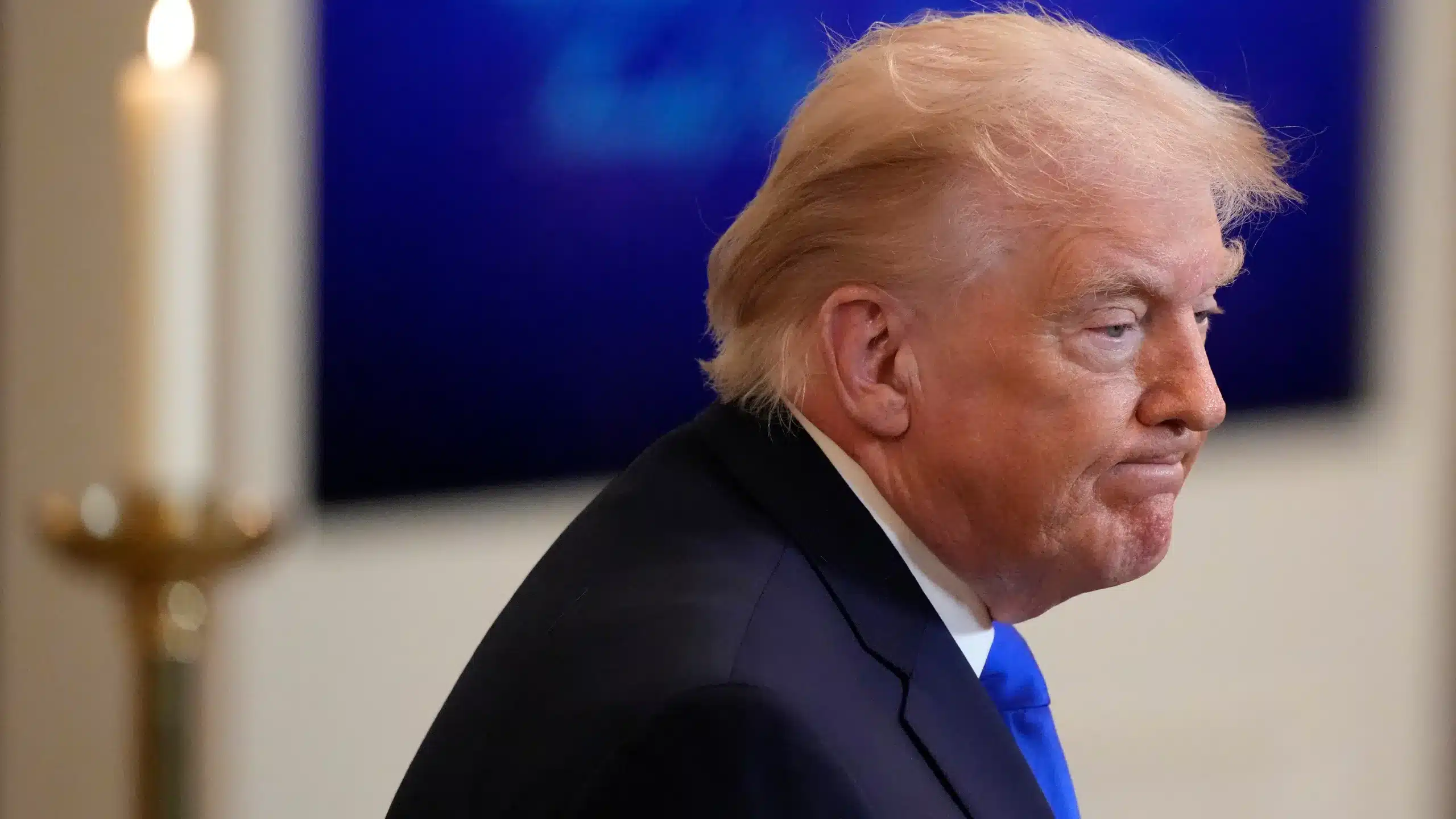
US President Donald Trump’s administration is attempting to postpone legal proceedings concerning tariff refunds, following a recent Supreme Court ruling that invalidated his extensive global tariffs. This decision represents a significant blow to Trump’s economic strategy and has initiated a complicated refund process as importers prepare to seek reimbursements. The government has filed a request for a delay of up to four months before litigation resumes in the U.S. Court of International Trade.
Government Seeks Delay in Refund Litigation
In a court filing submitted to the United States Court of Appeals for the Federal Circuit, the Trump administration requested a postponement of up to four months for the ongoing tariff refund litigation. This request comes in the wake of the Supreme Court’s ruling, which concluded that many of Trump’s tariffs were imposed unlawfully. The government argued that the court should allow an additional 90 days for political leaders to explore potential options regarding the tariffs. The administration emphasized the need for a careful and deliberate approach to the complex legal issues at hand, rather than rushing through the process.
The Supreme Court’s decision has opened the door for importers to pursue refunds, which could amount to hundreds of billions of dollars. The government’s filing indicates that the legal landscape surrounding these refunds is intricate and warrants a cautious approach. The administration’s request for a delay reflects its intention to navigate these complexities thoughtfully.
Trump Criticizes Supreme Court Decision
In response to the Supreme Court’s ruling, Trump expressed his discontent, warning that it could lead to substantial financial payouts to foreign countries and companies. He took to Truth Social to voice his concerns, stating that the ruling might allow for significant reimbursements to entities that he claims have been exploiting the United States for years. Trump argued that it is illogical for these countries and companies to receive what he termed an “undeserved windfall” after benefiting from the tariffs for so long.
Trump’s remarks highlight his frustration with the judicial decision, suggesting that it contradicts the interests of American taxpayers. He also raised questions about the possibility of further legal recourse, inquiring whether a rehearing or readjudication of the case could be pursued. His comments reflect a broader concern about the implications of the Supreme Court’s ruling on U.S. economic policy.
Background of the Legal Battle
The legal dispute over Trump’s tariffs began when the U.S. Court of Appeals for the Federal Circuit ruled in August of the previous year that many of the tariffs imposed by Trump were illegal. The court sent the question of refunds back to the Court of International Trade, pausing its mandate while Trump sought an appeal to the Supreme Court. Last week, the Supreme Court ruled by a 6-3 majority that Trump had overstepped his authority in implementing these broad tariffs, effectively striking them down.
Chief Justice John Roberts, in his opinion, stated that the Constitution does not grant the executive branch the unilateral power to impose taxes, emphasizing that such authority was not intended to reside with the presidency. However, the ruling did not impact specific duties on certain products, such as steel and automobiles, which remain in effect. Following the Supreme Court’s decision, Trump quickly invoked a different law to impose a new 10% tariff on imports, later increasing it to 15%.
Implications for Future Tariff Policies
The Supreme Court’s ruling and the subsequent legal maneuvers by the Trump administration could have lasting implications for U.S. trade policy. As the government seeks to delay the refund litigation, the complexities of the situation may influence future tariff decisions and the administration’s approach to international trade relations. The outcome of this legal battle will likely shape the landscape of U.S. tariffs and trade agreements moving forward.
As importers prepare to navigate the refund process, the administration’s strategy will be closely watched. The potential for significant financial repercussions looms large, and the government’s request for a delay underscores the intricate nature of the legal challenges ahead. The ongoing developments in this case will be pivotal in determining the future of tariff policies under the Trump administration.
Observer Voice is the one stop site for National, International news, Sports, Editor’s Choice, Art/culture contents, Quotes and much more. We also cover historical contents. Historical contents includes World History, Indian History, and what happened today. The website also covers Entertainment across the India and World.
Follow Us on Twitter, Instagram, Facebook, & LinkedIn

