

Trump Considers Additional Tariffs on Indian Rice: Implications for India and Potential Impact on US Consumers

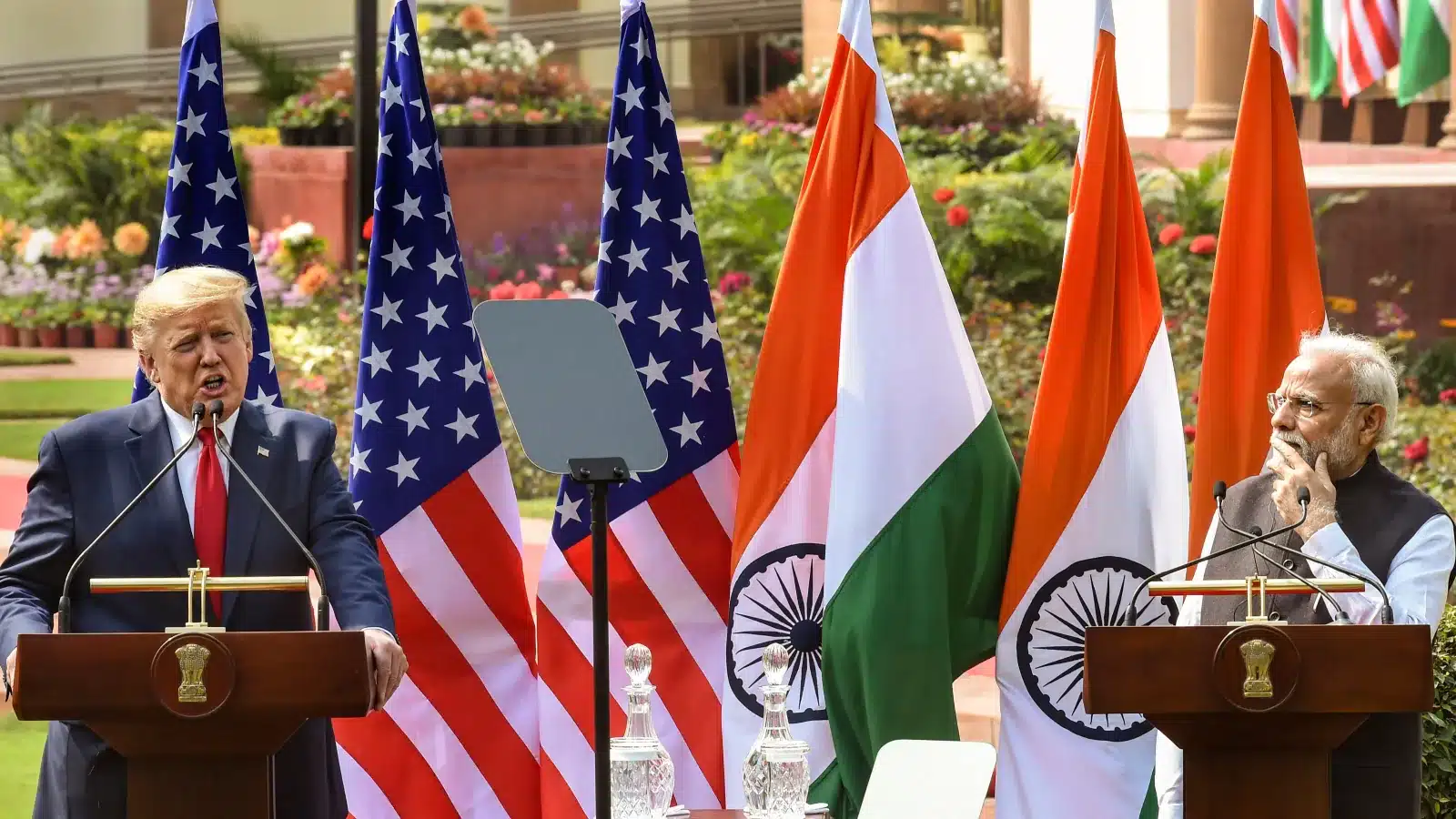
US President Donald Trump has issued a warning regarding potential new tariffs on Indian rice, claiming that India should not be “dumping” its rice into the American market. During a recent roundtable discussion at the White House, Trump emphasized that he would “take care” of the situation, suggesting that tariffs could be a straightforward solution. This comes on the heels of the Trump administration already imposing a significant 50% tariff on Indian goods, marking one of the highest rates faced by any country exporting to the US.
Trump’s Latest Warning on Tariffs on Indian Rice
During the roundtable, Trump raised questions about India’s trade practices, specifically inquiring about the tariffs on rice. He asked Treasury Secretary Scott Bessent whether India had any exemptions, to which Bessent replied that they were still negotiating a trade deal. Trump expressed concern over what he termed “dumping,” indicating that he had heard similar sentiments from various sources. This conversation coincided with discussions about an ongoing case at the World Trade Organization concerning India’s trade practices. Trump’s remarks reflect a broader strategy of addressing trade imbalances, particularly as he seeks to appeal to American farmers during an election season.
Implications of Trump’s Tariff Threat for India
Ajay Srivastava, founder of the Global Trade Research Initiative (GTRI), suggests that Trump’s threats may be more politically motivated than economically driven. He noted that India exported approximately $392 million worth of rice to the US in the fiscal year 2025, which constitutes only 3% of its total rice exports. Most of these exports are premium basmati rice, which already faces tariffs of about 53% in the US market. Srivastava argues that new tariffs would likely have minimal impact on Indian exporters, who have established strong markets in other regions. However, he warns that such tariffs would increase costs for American consumers, making rice more expensive in the US.
Response from the Indian Rice Exporters Federation
In light of Trump’s comments, the Indian Rice Exporters Federation (IREF) has issued a statement clarifying the dynamics of Indo-US rice trade. Dev Garg, Vice President of IREF, emphasized the resilience and competitiveness of the Indian rice export industry. He noted that while the US is a significant market, Indian rice exports are well-diversified globally. In the fiscal year 2024-2025, India exported Basmati rice worth $337.10 million to the US, making it the fourth-largest market for Indian Basmati. Garg highlighted that the demand for Indian rice is primarily driven by ethnic populations in the US, particularly for traditional dishes that rely on Basmati rice.
Market Dynamics and Consumer Impact
The consumption patterns in the US indicate that Indian rice is mainly purchased by Gulf and South Asian communities, with a growing demand for Indian cuisine. The IREF pointed out that rice grown in the US does not match the unique qualities of Indian Basmati, which is known for its distinct aroma and texture. Prior to the recent tariff increase, Indian rice imports faced a 10% tariff, which has now surged to 50%. Despite this, Indian rice exports have continued, underscoring the product’s importance to American consumers. Market observations reveal that the burden of increased tariffs is largely falling on US consumers, who are facing higher retail prices, while Indian exporters maintain stable revenue levels.
Observer Voice is the one stop site for National, International news, Sports, Editor’s Choice, Art/culture contents, Quotes and much more. We also cover historical contents. Historical contents includes World History, Indian History, and what happened today. The website also covers Entertainment across the India and World.
Follow Us on Twitter, Instagram, Facebook, & LinkedIn

