

T20 World Cup Controversy: Bangladesh’s Previous ICC Event Dispute Resulted in Team Replacement

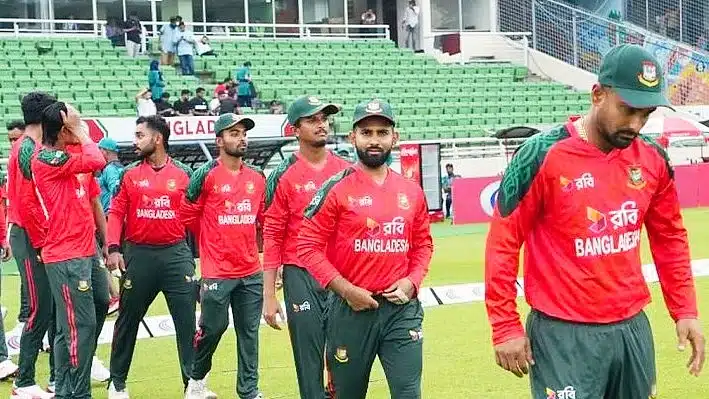
The ICC T20 World Cup 2026 is approaching, yet the participation of the Bangladesh cricket team remains in jeopardy. Following a meeting in Dhaka, the Bangladesh Cricket Board (BCB) firmly declared that they would not send their team to India for the tournament, citing a lack of “justice” from the International Cricket Council (ICC). The ICC has already rejected Bangladesh’s request to co-host matches with Sri Lanka, leaving the cricketing community on edge as they await the ICC’s next steps.
BCB’s Firm Stance
The Bangladesh Cricket Board’s decision stems from ongoing tensions with the ICC regarding the tournament’s venue. The BCB’s refusal to participate in India has raised significant concerns about the team’s future in the World Cup. The ICC had issued a 24-hour ultimatum to the BCB after voting against their request for a venue change. This ultimatum has intensified the scrutiny on the BCB’s position, as the cricketing world watches closely for any developments.
Despite the BCB’s strong stance, they have not officially withdrawn from the tournament. This ambiguity leaves open the possibility for negotiations, although the likelihood of the ICC altering the tournament schedule at this late stage appears slim. The BCB’s defiance has led to speculation about potential replacements for Bangladesh, with Scotland emerging as a leading candidate to step in if necessary.
Potential Replacement: Scotland
As the situation unfolds, Scotland has positioned itself as the frontrunner to replace Bangladesh in the T20 World Cup. The ICC is expected to make an official announcement soon regarding this potential change. If Scotland is confirmed as a replacement, it would not be an unprecedented move in ICC history. Previous instances of team replacements have occurred, highlighting the governing body’s ability to adapt to unforeseen circumstances.
The last notable replacement involved Australia withdrawing from the ICC U19 World Cup in Bangladesh in 2016, which led to Ireland stepping in. Such historical precedents suggest that the ICC is prepared to act swiftly to ensure the tournament proceeds smoothly, even if it means adjusting the participating teams.
Historical Context of Team Replacements
Team replacements in ICC events, while rare, have occurred under various circumstances. In 2009, Zimbabwe withdrew from the T20 World Cup due to political and security issues, resulting in Scotland taking their place. This history underscores the ICC’s flexibility in managing tournament logistics, especially when safety and political stability are in question.
The cricketing community is now left to ponder the implications of Bangladesh’s potential absence from the World Cup. With the tournament just weeks away, the ICC’s decision-making process will be crucial in determining the final lineup of teams. The ongoing drama surrounding Bangladesh’s participation serves as a reminder of the complexities involved in international sports events, where political and administrative challenges can significantly impact the competition.
Observer Voice is the one stop site for National, International news, Sports, Editor’s Choice, Art/culture contents, Quotes and much more. We also cover historical contents. Historical contents includes World History, Indian History, and what happened today. The website also covers Entertainment across the India and World.

