

Stiff Person Syndrome: One of the Rarest Neurological Disorders Explained

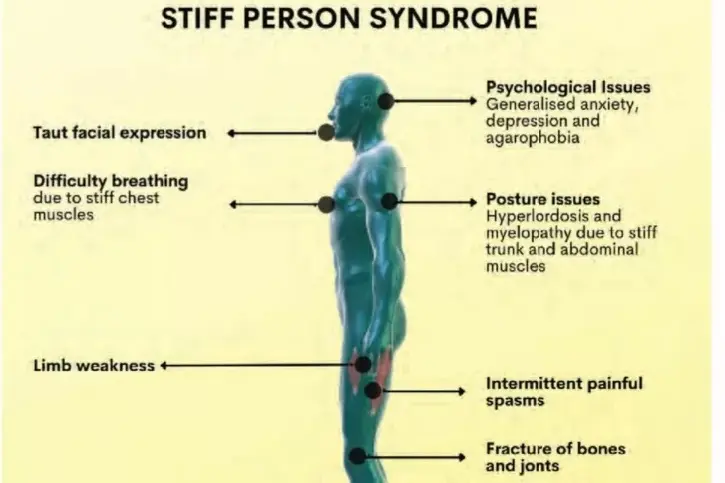
When 42-year-old Meera developed progressively worsening stiffness in her back and legs over several months, accompanied by sudden painful muscle spasms triggered by unexpected noises or touch that would lock her entire body in rigid contraction for minutes at a time, her journey through multiple specialists finally led to a diagnosis of stiff person syndrome (SPS)—an extremely rare autoimmune neurological disorder affecting approximately 1-2 per million people worldwide, making it one of the rarest neurological conditions known to medicine, caused by autoantibodies (most commonly anti-GAD65 antibodies in 60-80% of cases) attacking components of the nervous system that regulate muscle tone and movement. Her neurologist explained that in stiff person syndrome, these antibodies interfere with GABAergic neurotransmission (GABA is the brain’s main inhibitory neurotransmitter that normally prevents excessive muscle activation), resulting in continuous motor neuron firing that causes muscles to remain constantly contracted, producing the characteristic progressive axial muscle rigidity (trunk and spine become board-like stiff), superimposed episodic painful muscle spasms triggered by external stimuli (sudden sounds, touch, emotional stress), exaggerated startle responses, and progressive disability as patients become increasingly immobilized by stiffness and fearful of spasm-triggering situations. Understanding stiff person syndrome is crucial because it’s frequently misdiagnosed for years as fibromyalgia, multiple sclerosis, Parkinson’s disease, or even psychiatric conditions given the bizarre symptom complex and rarity of the disease, delayed diagnosis means years of progressive disability and suffering before appropriate treatment begins, the autoimmune nature means treatments targeting the immune system (immunotherapy with IVIg, plasmapheresis, rituximab) can significantly improve symptoms though rarely provide complete cure, and while the disease causes profound disability affecting mobility, independence, and quality of life, it’s not typically fatal, with most patients living decades after diagnosis though often requiring significant assistance and pain management.
GAD Antibodies and GABA Dysfunction: When Inhibition Fails
Stiff person syndrome is fundamentally a disorder of impaired inhibition in the central nervous system. Understanding normal motor control and inhibition helps explain what goes wrong in SPS. In normal motor control, movement requires precise balance between excitation (motor neurons firing to contract muscles) and inhibition (preventing unwanted muscle activation). GABA (gamma-aminobutyric acid) is the brain and spinal cord’s primary inhibitory neurotransmitter. GABAergic neurons release GABA, which binds to GABA receptors on other neurons, reducing their excitability and preventing excessive firing. This inhibition is critical for smooth coordinated movement, preventing muscles from contracting when they shouldn’t, allowing antagonist muscles to relax when agonists contract, modulating muscle tone appropriately, and suppressing startle reflexes to appropriate levels.
The enzyme glutamic acid decarboxylase (GAD) converts glutamate (the main excitatory neurotransmitter) into GABA. GAD exists in two isoforms: GAD65 (65 kilodalton) and GAD67 (67 kilodalton). GAD65 is particularly important in regulating GABA synthesis at nerve terminals. In stiff person syndrome (60-80% of cases), autoantibodies develop against GAD65 (anti-GAD65 antibodies). These antibodies are found at extremely high titers (levels) in SPS—typically greater than 20,000 U/mL (versus less than 5 U/mL in normal individuals). For comparison, type 1 diabetes (another autoimmune condition associated with anti-GAD antibodies) has GAD antibodies at 10-100 U/mL—much lower than SPS. The extraordinarily high titers in SPS are diagnostic.
How anti-GAD65 antibodies cause symptoms isn’t completely understood, but theories include antibodies crossing the blood-brain barrier (normally impermeable to large antibodies, but possibly compromised in SPS) and entering the CNS, interfering with GAD65 function at nerve terminals, reducing GABA synthesis and release at inhibitory synapses throughout brain and spinal cord, and the result being disinhibition—motor neurons fire excessively without appropriate inhibition. This causes continuous low-level muscle contraction (rigidity/stiffness), exaggerated reflex responses, and episodic muscle spasms when any stimulus triggers motor neurons.
Other antibody associations include amphiphysin antibodies (found in 5-10% of SPS cases, often associated with paraneoplastic SPS—SPS secondary to cancer, particularly breast cancer, lung cancer, or lymphoma). These patients often have more severe symptoms and poorer prognosis. Glycine receptor antibodies (found in some SPS variants, particularly progressive encephalomyelitis with rigidity and myoclonus—PERM, a more severe SPS-related condition affecting brainstem and causing additional symptoms). GABA-A receptor antibodies (found in rare SPS cases). About 10-20% of clinically diagnosed SPS patients are antibody-negative—no identified antibodies despite classic clinical features. This could mean antibodies against unknown targets or non-antibody-mediated mechanisms.
Associated autoimmune conditions are common since SPS is autoimmune. About 30-40% of SPS patients have or develop other autoimmune diseases including type 1 diabetes (most common association—present in 30-40% of SPS patients, often developing before or concurrently with SPS), thyroid disease (Hashimoto’s thyroiditis, Graves’ disease—common in autoimmune disorders generally), vitiligo, pernicious anemia, and celiac disease. The paraneoplastic variant occurs in 5-10% of SPS cases where SPS is triggered by cancer (immune response against tumor cross-reacts with nervous system). Most commonly breast cancer in women, lung cancer, lymphoma, and thymoma. These patients often have amphiphysin antibodies rather than GAD antibodies, more rapid onset and progression, and require cancer treatment in addition to immunotherapy.
SPS affects women more than men (about 2:1 female predominance), typical onset is in middle age (forties-fifties, range twenties-seventies), and the cause of initial immune system dysfunction triggering antibody production is unknown (likely combination of genetic susceptibility plus environmental trigger, possibly infection).
Symptoms: Progressive Stiffness, Painful Spasms, and Disability
Stiff person syndrome symptoms are distinctive once recognized but often confusing initially given the rarity and unusual presentation. The hallmark features include progressive muscle stiffness and rigidity predominantly affecting axial muscles (trunk, spine, abdominal muscles), causing board-like rigidity of the trunk and spine, progressive lumbar hyperlordosis (exaggerated inward curve of lower back from chronic paraspinal muscle contraction), difficulty bending forward at waist, difficulty turning trunk or twisting, and stiff wooden gait. Proximal limb muscles (shoulders, hips, thighs) also become stiff but usually less severely than trunk. Distal muscles (hands, feet, face) typically spared initially, distinguishing from conditions like Parkinson’s.
Episodic muscle spasms are perhaps the most disabling feature. These painful spasms are sudden, severe, and sustained muscle contractions lasting seconds to minutes (sometimes longer), affect trunk and limbs simultaneously, causing whole body to become rigid (“frozen” in place—patients unable to move during spasm), are extremely painful (described as crushing or cramping pain), triggered by external stimuli including sudden noises (door slams, phone rings, someone calling out), unexpected touch or being bumped, emotional stress or startle, and sometimes occurring spontaneously without identifiable trigger. Falls are common as spasms occur without warning, causing patients to fall like a “wooden board” (unable to catch themselves due to rigidity). Serious injuries from falls are frequent, including fractures and head trauma.
Exaggerated startle responses (hyperekplexia) show dramatic whole-body spasms in response to stimuli that wouldn’t cause reaction in normal individuals, with patients unable to habituate to repeated stimuli (each sound or touch triggers same severe response), leading to severe anxiety and avoidance behavior (patients afraid to leave home or be in unpredictable environments). Task-specific phobias develop from fear of triggering spasms—fear of crossing streets (traffic noise), being in crowds (being bumped), attending events, and social isolation from avoiding spasm-triggering situations. Progressive disability worsens over months to years with increasing stiffness limiting mobility, difficulty walking (stiff gait progressing to inability to walk), difficulty with activities of daily living (dressing, bathing, household tasks), and many patients eventually becoming wheelchair-bound or bedridden from combination of stiffness and fear of spasm-induced falls.
Chronic pain is nearly universal from constant muscle contraction causing aching pain, acute pain during spasms, and secondary musculoskeletal pain from abnormal posture and mechanics. Autonomic symptoms in some patients include tachycardia, sweating, flushing during spasms, blood pressure fluctuations, and anxiety/panic attacks (possibly from brainstem involvement). Cognitive and mood symptoms show anxiety and depression extremely common (understandable given disease impact), PTSD-like symptoms from unpredictable traumatic spasms, and occasionally cognitive changes in severe cases with brainstem involvement.
Related variants and spectrum disorders include PERM (progressive encephalomyelitis with rigidity and myoclonus)—more severe form affecting brainstem and spinal cord, causing all SPS symptoms plus myoclonus (jerking movements), brainstem signs (cranial nerve involvement, difficulty swallowing, eye movement abnormalities), autonomic instability (dangerous blood pressure/heart rate fluctuations), and worse prognosis than classic SPS. Stiff limb syndrome affects just one or two limbs (not generalized), causes focal stiffness and spasms, and is considered SPS variant.
Disease course is variable. Most patients have gradual progressive worsening over years without treatment, with spontaneous remissions rare though improvement with treatment possible. A minority have aggressive rapid progression within months, while others have relatively stable mild disease for years. Paraneoplastic SPS (associated with cancer) often has more rapid aggressive course.
Diagnosis: Clinical Recognition Plus High-Titer Antibody Testing
Diagnosing stiff person syndrome requires high clinical suspicion (given extreme rarity) plus confirmatory testing. Clinical diagnostic criteria include continuous muscle stiffness predominantly affecting trunk and proximal limbs, episodic painful muscle spasms superimposed on background stiffness, spasms triggered by external stimuli, exaggerated startle responses, and progressive disability from stiffness and spasms. Exclusion of other causes of stiffness and spasms is required, with symptoms improving with benzodiazepines or baclofen (diagnostic clue—dramatic response to GABAergic medications supports diagnosis).
Laboratory testing shows anti-GAD65 antibodies at very high titers (greater than 20,000 U/mL) in serum and cerebrospinal fluid. This is highly specific for SPS when clinical features match. Low-titer GAD antibodies (10-100 U/mL) occur in type 1 diabetes and occasionally normal individuals, so titer matters enormously. Other antibodies (amphiphysin, glycine receptor, GABA-A receptor) found in some cases should be tested if GAD antibodies negative but clinical suspicion high. About 10-20% of clinical SPS are seronegative despite classic symptoms.
Electrophysiological studies use EMG showing continuous motor unit activity at rest (muscles firing constantly even when patient tries to relax—hallmark finding), normal motor units (distinguishes from myopathy or motor neuron disease), and sudden simultaneous activation of agonist and antagonist muscles during spasms (co-contraction). The continuous firing disappears under general anesthesia (proves CNS origin, not muscle problem) and improves with benzodiazepines. CSF analysis often shows mild lymphocytic pleocytosis (5-30 white blood cells, mostly lymphocytes), elevated protein (50-100 mg/dL), oligoclonal bands in some cases (suggesting intrathecal antibody production), and CSF anti-GAD65 antibodies (finding antibodies in CSF as well as serum supports diagnosis).
MRI of brain and spine is usually normal, which helps exclude MS, tumor, or structural lesions, though occasionally shows non-specific white matter changes. Cancer screening is important in all SPS patients given 5-10% have paraneoplastic etiology. This requires CT chest/abdomen/pelvis, mammography in women, tumor markers, and sometimes PET scan if amphiphysin antibodies present or rapid aggressive course suggesting paraneoplastic.
Differential diagnosis includes conditions that can mimic SPS such as multiple sclerosis (can cause stiffness and spasms, but MRI shows lesions, progressive course different, doesn’t have continuous motor unit firing on EMG), neuromyotonia (Isaac’s syndrome—continuous muscle fiber activity but different distribution, different antibodies, different EMG pattern), tetanus (causes severe spasms and rigidity but acute onset, history of wound, no antibodies), psychogenic/functional neurological disorder (often misdiagnosed as “conversion disorder” or “anxiety” before SPS recognized—but EMG shows continuous firing in SPS, dramatic benzodiazepine response objective), Parkinson’s disease (causes rigidity but different quality, no spasms, responds to dopamine not benzodiazepines), and primary lateral sclerosis or other motor neuron diseases (cause stiffness but progressive weakness, not spasms, different EMG).
The diagnostic odyssey for SPS patients typically takes 5-7 years from symptom onset to diagnosis, with patients seeing 6-10+ specialists before diagnosis, and being frequently misdiagnosed with fibromyalgia, MS, anxiety disorder, or conversion disorder. Awareness is gradually improving but SPS remains underrecognized.
Treatment: Symptomatic Management and Immunotherapy
Treatment of stiff person syndrome has two main components: symptomatic treatment reducing stiffness and spasms, and immunotherapy targeting the underlying autoimmune process. Symptomatic treatment uses GABAergic medications with benzodiazepines being the mainstay. Diazepam (Valium) is most commonly used at high doses (10-60 mg daily, sometimes higher), producing dramatic improvement in stiffness and spasms in most patients within hours to days. This response is so characteristic it’s considered diagnostic—dramatic benzodiazepine response supports SPS diagnosis. Clonazepam (Klonopin), lorazepam (Ativan), and other benzodiazepines are alternatives. Side effects include sedation (often dose-limiting), cognitive dulling, ataxia, and dependence with withdrawal risk if stopped abruptly.
Baclofen (GABA-B agonist) at 40-80 mg daily orally helps reduce spasticity and spasms, often used with benzodiazepines, and can be given intrathecally via pump for severe refractory cases (delivers medication directly to spinal fluid, allowing higher CNS concentrations with fewer systemic side effects). Gabapentin, pregabalin, and tizanidine have modest benefit in some patients but generally less effective than benzodiazepines or baclofen.
Immunotherapy targets the underlying autoimmune process. Intravenous immunoglobulin (IVIg) at 2 grams/kg over 2-5 days monthly or every 6-8 weeks shows significant benefit in 60-70% of patients, often producing sustained improvement (weeks to months per infusion), and is considered first-line immunotherapy for SPS. The mechanism isn’t fully understood (neutralizes pathogenic antibodies, modulates immune function through multiple pathways). Side effects include headache (especially aseptic meningitis—severe headache during or after infusion), thromboembolic events (strokes, blood clots—risk increases with age, cardiovascular disease), renal dysfunction, and allergic reactions. It’s extremely expensive ($100,000-200,000+ annually).
Plasmapheresis (plasma exchange) physically removes antibodies from blood, shows rapid improvement (within days) but effects are temporary (weeks), and is used for severe acute exacerbations or initial stabilization. Effects last only 2-4 weeks without maintenance therapy. Rituximab (anti-CD20 antibody) depletes B-cells (antibody-producing cells) given as IV infusion (375 mg/m² weekly for 4 weeks, or 1000 mg two weeks apart). Evidence is limited to case series but shows significant benefit in some refractory patients with sustained improvement lasting 6-12+ months per treatment course. May take 2-3 months to see full benefit. Not FDA-approved for SPS but used off-label.
Corticosteroids (prednisone, methylprednisolone) have variable and inconsistent benefit in SPS—some patients improve, others worsen or develop side effects without benefit. Generally not first-line but sometimes tried. Other immunosuppressants like azathioprine, mycophenolate, and cyclophosphamide have been tried in small series with mixed results, generally reserved for refractory cases not responding to IVIg or rituximab.
Treatment of paraneoplastic SPS requires cancer treatment (surgery, chemotherapy, radiation as appropriate for the cancer type) plus immunotherapy. Cancer treatment sometimes improves neurological symptoms though not always. Physical therapy and rehabilitation maintain mobility and prevent contractures through gentle stretching and range of motion, though aggressive therapy can trigger spasms. Gait training and fall prevention strategies are important. Occupational therapy adapts activities of daily living and provides assistive devices.
Pain management is crucial given chronic pain and acute spasm pain. This may require opioids in some patients, neuropathic pain medications (gabapentin, duloxetine), muscle relaxants, and multidisciplinary pain clinic involvement. Psychological support addresses anxiety, depression, PTSD-like symptoms from unpredictable spasms, cognitive-behavioral therapy for phobias and anxiety, and support groups connecting patients with rare disease community.
Living with Stiff Person Syndrome: Challenges and Adaptations
Living with stiff person syndrome means managing an unpredictable, painful, and progressively disabling condition that profoundly impacts independence and quality of life. The physical disability progresses variably—some patients maintain limited mobility with assistance, others become wheelchair-dependent or bedridden. Falls and injuries are constant risks given sudden unpredictable spasms. Chronic pain from muscle rigidity and spasms requires ongoing management. Medication dependence on high-dose benzodiazepines creates its own challenges (cognitive effects, dependency, difficulty with dose adjustments).
Psychological and social impact includes severe anxiety from unpredictable spasms causing constant hypervigilance and fear, social isolation from avoiding spasm triggers leading to homebound lifestyle for many patients, depression from chronic pain and progressive disability, PTSD-like symptoms in some patients from traumatic spasm episodes, and relationship strain on family and caregivers who bear significant burden.
Employment challenges arise as most patients cannot continue working given unpredictable symptoms and disability, long disability application process, and financial strain from loss of income plus high medical costs. Activities of daily living become difficult, with many requiring assistance for bathing, dressing, household tasks, and mobility. Patients fear being alone given fall risk and potential for severe spasms. Quality of life varies enormously but is generally significantly reduced compared to pre-illness, with patients reporting life revolves around managing symptoms and avoiding triggers.
Treatment response variability shows 60-70% have significant improvement with IVIg and/or symptomatic medications allowing better function but rarely complete relief. About 20-30% have refractory disease with poor response to treatments and progressive severe disability. Remissions are rare but occasionally occur with aggressive immunotherapy. Most patients require lifelong treatment and symptom management.
Life expectancy is generally not significantly reduced—most SPS patients live for decades after diagnosis. Death directly from SPS is uncommon but can occur from complications including severe falls causing traumatic injury, respiratory compromise from chest wall rigidity in severe cases, complications from immobility (pneumonia, pulmonary embolus), or in PERM variant, brainstem/autonomic dysfunction. Most patients eventually die from unrelated causes (cancer, heart disease, etc.) at normal lifespan.
Support resources include the Stiff Person Syndrome Research Foundation providing patient education and research funding. National Organization for Rare Disorders (NORD) offers information and support. Online communities and Facebook groups connect patients globally. The Stiff Person Syndrome Support Group helps with peer support. Due to extreme rarity, finding others with SPS can be validating and informative.
Advocacy and awareness efforts are increasing given recent high-profile cases (singer Celine Dion’s 2022 announcement of her SPS diagnosis significantly raised public awareness). Research is limited given rarity, but improved understanding of pathophysiology may lead to better targeted therapies. The future holds promise for better treatments targeting specific antibodies, improved immunotherapies with fewer side effects, earlier diagnosis through increased awareness, and better understanding of long-term outcomes and optimal treatment strategies.
Frequently Asked Questions
Q1: How is stiff person syndrome different from other conditions causing muscle stiffness like Parkinson’s disease or multiple sclerosis, and how can doctors tell the difference?
Stiff person syndrome is frequently confused with other neurological conditions causing stiffness, but has distinctive features that distinguish it once recognized. The key distinguishing features from Parkinson’s disease show SPS causes axial and proximal limb stiffness (trunk, back, shoulders, hips) with Parkinson’s causing more distal rigidity (arms, legs, including hands and feet) and facial involvement. SPS involves episodic severe painful muscle spasms triggered by stimuli, while Parkinson’s has sustained rigidity without discrete spasm episodes. SPS shows exaggerated startle response with whole-body spasms, while Parkinson’s doesn’t have prominent startle. SPS has normal facial expression typically, while Parkinson’s causes masked facies (reduced facial expression, “poker face”). SPS lacks tremor (hallmark of Parkinson’s), while Parkinson’s typically has rest tremor. SPS shows dramatic response to benzodiazepines (diazepam) within hours, while Parkinson’s responds to levodopa/dopamine agonists, not benzodiazepines. EMG in SPS shows continuous motor unit firing even at rest, while Parkinson’s has normal EMG. Anti-GAD65 antibodies at extremely high titers in SPS are absent in Parkinson’s.
Distinguishing from multiple sclerosis involves different patterns. MS causes episodic neurological symptoms (vision changes, numbness, weakness, stiffness) that come and go or progress, while SPS causes progressive continuous stiffness with superimposed spasms. MS shows multifocal CNS lesions on MRI (white matter plaques throughout brain and spinal cord) characteristic and diagnostic, while SPS typically has normal MRI. MS involves various neurological symptoms beyond stiffness (optic neuritis, sensory changes, bladder/bowel dysfunction, cognitive changes), while SPS is more limited to motor symptoms. MS stiffness responds to baclofen and physical therapy but not dramatically to benzodiazepines, while SPS shows dramatic benzodiazepine response. EMG in MS is usually normal or shows nonspecific changes, while SPS has continuous motor unit firing. Anti-GAD65 antibodies are absent in MS (though oligoclonal bands in CSF present in both, so that’s not distinguishing).
Other key distinctions include tetanus, which causes spasms and rigidity similar to SPS but has acute onset over days (not months), history of wound or injury, no chronic progressive course, no antibodies, requires intensive care, and resolves with treatment. Neuromyotonia (Isaac’s syndrome) involves continuous muscle fiber activity (rippling muscles, cramps) but affects distal more than proximal muscles, has different antibody pattern (voltage-gated potassium channel antibodies), shows different EMG findings (myokymic discharges versus continuous motor unit firing), and doesn’t have dramatic spasms triggered by stimuli like SPS.
The diagnostic clues that suggest SPS include progressive axial rigidity (board-like stiff trunk and back) over months to years, episodic extremely painful muscle spasms triggered by noise, touch, or startle that lock the entire body rigid, exaggerated startle responses to normal stimuli, task-specific phobias (fear of situations triggering spasms) leading to social withdrawal, dramatic improvement with high-dose diazepam (often 20-40+ mg daily—doses that would sedate normal people but SPS patients remain alert), EMG showing continuous motor unit activity at rest that disappears with benzodiazepines, and anti-GAD65 antibodies at extremely high titers (greater than 20,000 U/mL). The combination of these features is highly specific for SPS.
The challenge is that SPS is so rare (1-2 per million) that most neurologists see zero or one case in their entire career, so it’s not on their diagnostic radar. Patients are often misdiagnosed for years with more common conditions (MS, Parkinson’s, fibromyalgia, anxiety, conversion disorder) before someone recognizes the pattern and tests for GAD antibodies. Increased awareness through recent high-profile cases (Celine Dion) is helping, but diagnostic delay remains a major problem. If you have progressive axial stiffness plus episodic painful spasms triggered by stimuli that no one can explain, specifically requesting GAD antibody testing might be appropriate.
Q2: What’s the difference between “classic” stiff person syndrome and PERM (progressive encephalomyelitis with rigidity and myoclonus), and is PERM more dangerous?
PERM (progressive encephalomyelitis with rigidity and myoclonus) is considered a more severe form or variant on the spectrum of stiff person syndrome, affecting not just the spinal cord but also the brainstem, causing additional symptoms and generally worse prognosis. Classic SPS primarily affects spinal cord motor neurons, resulting in trunk and limb stiffness and spasms, relatively preserved brainstem function (normal swallowing, breathing, eye movements initially), and slower progression over years. Antibodies are typically anti-GAD65 in the majority of cases. Prognosis is variable but many patients survive decades with treatment. Disability is significant but death from SPS itself is uncommon.
PERM involves the spinal cord plus brainstem and sometimes higher brain structures, causing all the features of classic SPS (stiffness, spasms) plus additional brainstem signs including myoclonus (sudden jerking movements—distinguishing feature from classic SPS), cranial nerve dysfunction (difficulty swallowing, slurred speech, double vision, facial weakness), autonomic instability (dangerous blood pressure fluctuations, heart rate abnormalities, temperature dysregulation, breathing irregularities), and sometimes encephalopathic features (confusion, altered consciousness). Antibodies are often glycine receptor antibodies or amphiphysin rather than GAD65. Onset is often more rapid (weeks to months rather than months to years), progression is faster and more aggressive than classic SPS, and prognosis is significantly worse—higher mortality, more severe disability.
Is PERM more dangerous? Yes, substantially. The mortality rate in PERM is estimated at 15-30% (versus less than 5% in classic SPS), primarily from autonomic dysfunction (sudden cardiovascular collapse, respiratory failure), severe brainstem dysfunction (unable to swallow, breathe independently), or complications from severe immobility (pneumonia, pulmonary embolus). Survivors often have severe permanent disability including need for feeding tubes, tracheostomy/ventilator dependence, complete immobility, and cognitive impairment in some cases. Response to treatment is less predictable than classic SPS—some patients improve significantly with aggressive immunotherapy (IVIg, plasmapheresis, rituximab), but others continue deteriorating despite treatment.
The clinical presentation distinguishing PERM from classic SPS shows myoclonus as a key feature—sudden shock-like jerks of limbs, trunk, or face that are stimulus-sensitive (like the spasms but brief jerks rather than sustained contractions). Brainstem involvement indicates cranial nerve signs, difficulty swallowing or breathing, autonomic instability. Rapid progression over weeks to months instead of the gradual years of classic SPS. More severe disability early in course. Altered consciousness or encephalopathy in some cases.
Antibody patterns differ—glycine receptor antibodies more common in PERM than classic SPS, amphiphysin antibodies suggest more aggressive disease and possible paraneoplastic etiology. GAD antibodies can occur in PERM but are less common than in classic SPS. Imaging may show brainstem signal changes on MRI (sometimes), though often still normal. Treatment is more aggressive and urgent in PERM—typically requires ICU-level care initially for monitoring of autonomic function and respiratory status. Aggressive immunotherapy with combination of IVIg, plasmapheresis, and corticosteroids often started immediately. Rituximab often used earlier given severity. High-dose benzodiazepines and baclofen for symptom control. Supportive care including mechanical ventilation if respiratory failure, vasopressors for blood pressure instability, and feeding tubes if unable to swallow safely.
The prognosis varies but is generally guarded. Some patients stabilize and slowly improve with aggressive treatment but residual disability is common. Others continue progressive deterioration despite treatment and die from complications. The spectrum concept is that classic SPS, PERM, and progressive encephalomyelitis are likely on a continuum of autoimmune disorders affecting inhibitory neurotransmission, with PERM representing the most severe end of the spectrum with brainstem and more widespread CNS involvement.
If you or a loved one is diagnosed with classic SPS, the development of new symptoms—particularly myoclonus, swallowing difficulties, breathing problems, or autonomic symptoms (blood pressure swings, heart rate abnormalities)—should prompt urgent neurologist contact, as this could represent progression to PERM requiring more aggressive treatment. While PERM is significantly more dangerous than classic SPS, aggressive early immunotherapy does help many patients, so rapid recognition and treatment is crucial.
Q3: I was diagnosed with stiff person syndrome and started on IVIg, which helps, but each infusion costs over $10,000 and I need them every 6-8 weeks. Are there alternatives, and will I need this treatment forever?
Your frustration with the extraordinary cost of IVIg is completely understandable—it’s one of the most expensive medications in routine use, and for chronic conditions requiring repeated dosing like SPS, the cumulative cost is staggering. Let me address alternatives and the duration question. IVIg cost and access considerations involve typical costs of $7,000-15,000 per infusion depending on dose (which is weight-based, typically 2 g/kg), with most SPS patients requiring infusions every 4-8 weeks indefinitely, creating annual costs of $100,000-250,000+. Insurance coverage is variable—many insurers cover IVIg for SPS (it’s one of the few proven treatments), but some require extensive prior authorization, documentation of severity, proof of failure of other treatments first, or impose limits on frequency. Access varies by country—covered by national health systems in many countries, but in US, insurance coverage is critical.
Alternative immunotherapies to consider include rituximab (Rituxan), which is a monoclonal antibody depleting B-cells (antibody-producing cells), given as IV infusion (typically 1000 mg twice, two weeks apart), with effects lasting 6-12+ months per treatment cycle (much longer than IVIg’s 6-8 weeks). Cost is $15,000-25,000 per treatment cycle but may be more cost-effective than IVIg given longer duration. Evidence in SPS is limited to case series but shows significant benefit in many patients, particularly those with refractory disease. Not FDA-approved for SPS but used off-label. Some insurers are more willing to cover rituximab than chronic IVIg given lower cumulative cost. Takes 2-3 months to see full benefit (slower onset than IVIg).
Plasmapheresis (plasma exchange) physically removes antibodies with rapid effect (days), typically given as 5-7 treatments over 2 weeks. Cost is $5,000-10,000 per treatment, $25,000-70,000 per course. Effects are temporary (2-4 weeks), so not practical as sole long-term therapy, but used for acute severe exacerbations or as “bridge” while waiting for other treatments to work. Some patients do periodic plasmapheresis (monthly) as maintenance, though this is logistically challenging and expensive.
Corticosteroids (prednisone, methylprednisolone) are much cheaper ($100-500 per month typically), with variable efficacy in SPS—some patients improve, others don’t respond or worsen, and prolonged high-dose steroid use causes significant side effects (weight gain, osteoporosis, diabetes, infections, mood changes). Generally tried before or alongside IVIg but not often sufficient as monotherapy. Other immunosuppressants like mycophenolate mofetil or azathioprine cost $300-1000 per month, have limited evidence in SPS but sometimes help as steroid-sparing agents, and take months to work (not useful for acute symptom control). Cyclophosphamide is reserved for severe refractory cases given toxicity.
The question of treatment duration is complex. Some patients require indefinite treatment—many SPS patients need ongoing immunotherapy (IVIg or rituximab) plus symptomatic medications (benzodiazepines) indefinitely to maintain function. Stopping treatment often leads to relapse within weeks to months. However, some patients can reduce frequency—as disease stabilizes, some extend IVIg intervals from every 4 weeks to every 6-8 weeks, or rituximab retreatment intervals from every 6 months to every 12-18 months. Occasional patients achieve sustained remission—after years of aggressive treatment, a small percentage of patients can discontinue immunotherapy without relapse, though this is uncommon and unpredictable. Most require lifelong symptom management with benzodiazepines regardless of immunotherapy status.
Strategies to optimize cost and access include trials of rituximab—discuss with your neurologist whether switching from IVIg to rituximab makes sense given longer duration between treatments and potentially lower cumulative cost. Home infusion of IVIg if you’ve been stable on treatment may be an option—significantly cheaper than hospital-based infusion ($4,000-8,000 versus $10,000-15,000). Patient assistance programs often exist—drug manufacturers (both IVIg and rituximab manufacturers) have programs helping with copays or providing medication at reduced cost for qualifying patients. Insurance appeal if denied or limited—work with neurologist to appeal denials, document severity and necessity, emphasize lack of alternatives. Flexible dosing—some patients do well with lower doses or less frequent IVIg once stable, reducing cost. Clinical trials of newer therapies can sometimes provide access to experimental treatments at no cost.
The reality is that SPS is a chronic disease requiring long-term management, and for many patients, ongoing immunotherapy is necessary to maintain function and quality of life. The costs are indeed astronomical and create significant burden. Advocating for insurance coverage, exploring alternatives like rituximab, and working with financial assistance programs are all important. Some patients make difficult decisions about treatment frequency based on cost versus benefit (accepting some increased symptoms to reduce treatment frequency and cost). Ultimately, the goal is finding the minimum effective treatment that maintains acceptable function at manageable cost, which requires individualized adjustment over time with your neurologist.
Q4: I have type 1 diabetes and recently developed muscle stiffness and spasms. My doctor found GAD antibodies in my blood and is concerned about stiff person syndrome. How common is it to have both conditions, and does having diabetes mean my neurological symptoms will be worse?
The association between type 1 diabetes and stiff person syndrome is well-recognized, and your doctor’s concern is appropriate given the combination of diabetes plus new neurological symptoms plus GAD antibodies. Let me explain the connection and implications. The association is significant—approximately 30-40% of stiff person syndrome patients have or develop type 1 diabetes, making it the most common autoimmune comorbidity in SPS. Conversely, among type 1 diabetics, SPS is still extremely rare (estimated less than 1 in 10,000-100,000 diabetics develop SPS), so having diabetes doesn’t mean you’re likely to develop SPS, but if neurological symptoms develop, SPS should be considered.
Both conditions involve anti-GAD antibodies, but there are critical differences. In type 1 diabetes, anti-GAD65 antibodies are present at low-moderate titers (typically 10-100 U/mL), directed against GAD in pancreatic beta cells, and associated with other diabetes-related antibodies (anti-insulin, anti-IA2, anti-ZnT8). Antibody levels don’t correlate with diabetes severity or progression. In stiff person syndrome, anti-GAD65 antibodies are present at extremely high titers (typically greater than 20,000 U/mL—100-1000 times higher than diabetes), presumably directed against GAD in CNS neurons, often as sole antibody (other diabetes antibodies absent or low), and antibody levels somewhat correlate with neurological symptom severity.
The diagnostic distinction is critical. Simply having GAD antibodies plus muscle symptoms isn’t sufficient for SPS diagnosis given that many diabetics have low-level GAD antibodies. You need very high titer GAD antibodies (greater than 20,000 U/mL), classic clinical features (progressive axial rigidity, stimulus-triggered spasms, exaggerated startle), supportive EMG findings (continuous motor unit activity at rest), and dramatic response to benzodiazepines. If your GAD antibody titer is in the low-moderate range typical of diabetes alone (10-100 U/mL), other explanations for muscle symptoms should be sought (diabetic neuropathy causing cramps, other neuromuscular conditions, unrelated muscle problems). If titer is extremely high (greater than 20,000 U/mL) plus typical clinical features, SPS diagnosis is likely.
Regarding whether having diabetes makes neurological symptoms worse, the current understanding is that diabetes itself doesn’t worsen SPS severity—both are autoimmune conditions sharing a common antibody target (GAD65), but they’re largely independent processes. Some patients have both, some have only diabetes, some have only SPS. The neurological disease severity is determined by CNS antibody levels and effects, not by diabetes status or control. However, having both creates additional management complexity including polypharmacy (insulin/diabetes medications plus benzodiazepines plus immunotherapy for SPS), medication interactions (corticosteroids used for SPS worsen diabetes control by raising blood sugars), mobility limitations from SPS making diabetes management harder (difficulty exercising, shopping for healthy foods, attending appointments), and additive effects of both conditions on quality of life and disability.
Regarding the progression and prognosis, having diabetes doesn’t predict worse neurological outcomes if you develop SPS—treatment response and long-term outcome are similar to SPS patients without diabetes. Having SPS doesn’t seem to worsen diabetes control or complications directly, though management becomes more complex. The natural history shows most patients who develop both conditions have diabetes first (often years before SPS symptoms begin), though sometimes SPS comes first or both develop simultaneously. Once both are present, both require ongoing lifelong management.
What you should do now includes confirming diagnosis by having GAD antibody titer measured quantitatively—if greater than 20,000 U/mL plus clinical features consistent, SPS diagnosis likely. If low-moderate (under 1000 U/mL), other causes of symptoms more likely. Complete neurological evaluation including EMG looking for continuous motor unit firing, trial of benzodiazepines (diazepam) to see if symptoms improve dramatically, and MRI ruling out other causes. Cancer screening should be done given paraneoplastic SPS risk. If SPS is confirmed, discuss treatment options—IVIg, rituximab, symptomatic management with benzodiazepines/baclofen, and optimization of diabetes management since some SPS treatments (corticosteroids) worsen glucose control. You may need closer diabetes monitoring and medication adjustment.
Connecting with specialists experienced in both conditions is important—ideally neurologist familiar with SPS working with endocrinologist managing diabetes. Coordination between specialists is crucial given potential medication interactions and disease complexity. The bottom line is that while the association between type 1 diabetes and SPS is real and significant, having diabetes doesn’t doom you to developing SPS (it’s still very rare), and if you do develop both, they can both be managed though it requires careful coordination. The key is confirming diagnosis with very high GAD antibody titers plus classic clinical features before assuming new symptoms are SPS versus other more common causes of muscle complaints in diabetics.
Q5: Are there any experimental treatments or clinical trials for stiff person syndrome, and is gene therapy or a cure on the horizon?
Given the severity and limited treatment options for stiff person syndrome, many patients understandably ask about experimental treatments and future cures. The current landscape shows limited but growing research given the extreme rarity of SPS (estimated 1000-2000 cases in the entire United States), making large-scale clinical trials very difficult. However, several approaches are being studied. Ongoing or recent clinical trials include rituximab trials—while used off-label already, formal trials are assessing optimal dosing, timing, and long-term outcomes in SPS. Early results suggest 60-70% response rate with sustained benefit. Some patients achieve remission lasting years after a single treatment course.
Eculizumab (Soliris) is a complement inhibitor (blocks C5 complement protein) that’s FDA-approved for other rare autoimmune conditions like myasthenia gravis and neuromyelitis optica. Small pilot studies in SPS have shown potential benefit, particularly in severe refractory cases. It requires infusions every 2 weeks indefinitely and is extremely expensive ($500,000+ annually). A larger trial is needed to establish efficacy. Tocilizumab (Actemra) is an IL-6 inhibitor used in rheumatoid arthritis and other autoimmune conditions. Case reports suggest possible benefit in SPS. Small trials are exploring efficacy. Bortezomib is a proteasome inhibitor targeting plasma cells (long-lived antibody-producing cells), used in multiple myeloma, with theoretical benefit in antibody-mediated conditions like SPS. Very limited data but being studied.
Emerging therapeutic strategies include monoclonal antibody depletion—newer agents targeting different B-cell or plasma cell populations beyond rituximab (which targets CD20+ B-cells but misses long-lived plasma cells). Agents like daratumumab (anti-CD38) or belimumab (anti-BAFF) are potential candidates. Antigen-specific therapies aim to specifically target anti-GAD65 antibody-producing cells without broadly suppressing the entire immune system. This would theoretically provide benefit without the infection risks and side effects of current immunosuppression. Technologies like CAR-T cells engineered to eliminate specific pathogenic B-cells are being developed for autoimmune diseases generally and might eventually apply to SPS.
Neuroprotective strategies seek to protect neurons from antibody-mediated damage or enhance GABAergic function through alternative mechanisms beyond just giving benzodiazepines. Small molecule drugs enhancing GABA receptor function or protecting against excitotoxicity are theoretical possibilities. Gene therapy specifically for SPS is not currently in development and faces significant challenges including the target isn’t a single gene mutation (it’s an autoimmune process, not genetic disease—can’t “fix” a gene), the pathogenic antibodies are already present and causing damage (delivering a normal GAD65 gene wouldn’t stop existing antibodies), and CNS delivery is challenging (blood-brain barrier makes delivering gene therapy to neurons difficult).
Stem cell therapy, specifically autologous hematopoietic stem cell transplantation (HSCT), has been used experimentally in severe refractory autoimmune diseases (MS, lupus, systemic sclerosis) with some dramatic responses. The concept is to “reset” the immune system by ablating it with chemotherapy and rescuing with patient’s own stem cells. Very high-risk procedure (mortality 5-10%) but can produce sustained remissions. No published trials in SPS but theoretically could be considered for severe refractory cases as last-resort. Mesenchymal stem cells (MSCs) have immunomodulatory properties and have shown benefit in some autoimmune conditions. No data in SPS but theoretically interesting.
The reality about cure prospects shows that SPS, like most autoimmune diseases, currently has no cure. Existing treatments (IVIg, rituximab, symptomatic medications) manage symptoms and slow progression but don’t eliminate the disease. Patients typically require lifelong treatment. Sustained remissions occur in perhaps 10-20% of patients after prolonged aggressive immunotherapy, but most continue having symptoms requiring ongoing management. True cure would require either permanently eliminating the pathogenic immune response without destroying the entire immune system (antigen-specific immunotherapy—not yet available), repairing CNS damage from chronic antibody exposure (neurons affected by years of impaired GABAergic function may not fully recover even if antibodies eliminated), or preventing the initial autoimmune response (impossible once disease is established—would require knowing who’s at risk and intervening before symptoms, which isn’t feasible given rarity).
Realistic timeline for major breakthroughs involves better immunotherapies (more targeted, fewer side effects) likely within 5-10 years as drugs developed for more common autoimmune diseases become available and tried in SPS. Antigen-specific therapies eliminating only anti-GAD65 B-cells are possible within 10-15 years if technologies being developed for other autoimmune diseases succeed. True cure (permanent elimination of disease without ongoing treatment) is likely 20+ years away if ever, given the complexity of autoimmune disease and our limited understanding of how to permanently “re-educate” the immune system.
What patients can do now includes enrolling in research registries like the Stiff Person Syndrome Research Foundation registry or NIH rare disease registries to contribute data helping research, discussing clinical trial eligibility with neurologist (trials are small and selective but occasionally enrolling), considering off-label experimental treatments like eculizumab or tocilizumab for severe refractory disease not responding to standard therapy, and staying connected to the SPS community where new developments are discussed. While a cure isn’t imminent, incremental improvements in treatment are happening, and increased awareness (thanks to high-profile cases) is driving more research interest and funding into SPS.
Disclaimer
This article adapts publicly available information from medical databases and research organizations. This content is for informational and educational purposes only and does not constitute medical advice. ObserverVoice.com is a news and information platform — not a healthcare provider. Decisions about stiff person syndrome diagnosis, GAD antibody testing, immunotherapy treatment with IVIg or rituximab, symptomatic management with benzodiazepines, or other interventions should be made in consultation with qualified physicians, neurologists, neuromuscular specialists, and immunologists who can evaluate your individual situation, antibody levels, disease severity, and health circumstances. If you experience sudden severe muscle spasms, difficulty breathing, or other concerning symptoms, seek immediate emergency medical care.
References
- National Organization for Rare Disorders (NORD). Stiff Person Syndrome. https://rarediseases.org/rare-diseases/stiff-person-syndrome/
- Stiff Person Syndrome Research Foundation. About Stiff Person Syndrome. https://www.stiffpersonsyndrome.org/
- PMC. Stiff Person Syndrome: Clinical Features, Pathogenesis and Therapeutic Approaches. https://www.ncbi.nlm.nih.gov/pmc/articles/PMC8674890/
- PMC. Update on Stiff Person Syndrome and Related Disorders. https://www.ncbi.nlm.nih.gov/pmc/articles/PMC9240813/
- World Health Organization. Health Topics: Neurological Disorders. https://www.who.int/health-topics/
Observer Voice is the one stop site for National, International news, Sports, Editor’s Choice, Art/culture contents, Quotes and much more. We also cover historical contents. Historical contents includes World History, Indian History, and what happened today. The website also covers Entertainment across the India and World.

