

Senate Republicans Create Deepfake of Chuck Schumer, X Fails to Remove Content

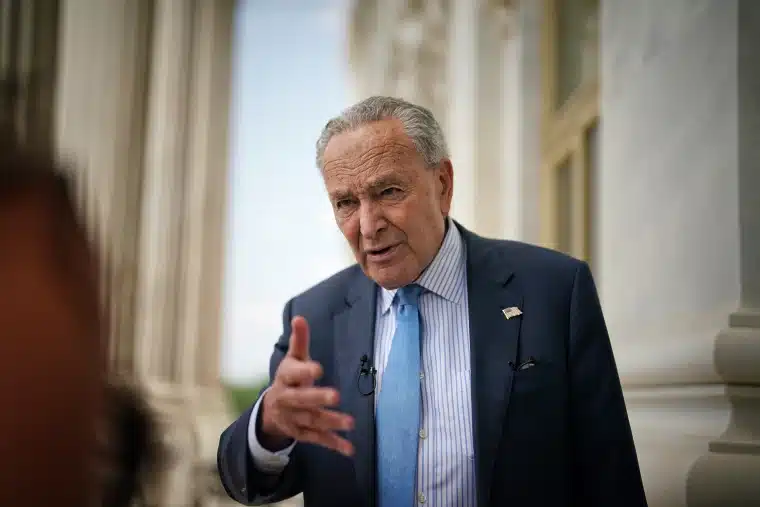
Senate Republicans have stirred controversy by sharing a deepfake video of Chuck Schumer, the Senate minority leader, which appears to show him celebrating the ongoing government shutdown that has now lasted 16 days. The manipulated video features an AI-generated Schumer repeating a phrase taken out of context, creating a misleading narrative about the Democrats’ stance during the shutdown. This incident raises concerns about the use of synthetic media in political discourse, particularly as the government struggles to reach a funding agreement.
Deepfake Video Sparks Outrage
The deepfake video, posted on the Senate Republicans’ X account, shows Schumer saying, “every day gets better for us.” This phrase is derived from a legitimate quote in which Schumer discussed the Democrats’ strategy during the shutdown, emphasizing their commitment to healthcare issues. The original context reveals that Schumer was criticizing the Republicans for their tactics, not celebrating the shutdown. The use of deepfake technology in this manner has drawn significant backlash, as it misrepresents the intentions and statements of political figures.
The ongoing government shutdown stems from a failure to agree on a funding bill between Democrats and Republicans. Democrats are advocating for the preservation of tax credits aimed at making health insurance more affordable for millions, reversing cuts to Medicaid initiated during the Trump administration, and protecting funding for government health agencies. The stakes are high, as the shutdown affects numerous services and programs that millions of Americans rely on.
Platform Policies and Accountability
X, the platform where the video was shared, has policies in place to combat the dissemination of misleading synthetic media. According to these guidelines, the platform prohibits the sharing of manipulated content that could mislead the public or cause confusion on significant issues. Despite these policies, as of the latest updates, X has not removed the deepfake video or issued a warning label, although it does include a watermark indicating its AI origins. This raises questions about the platform’s commitment to enforcing its own rules regarding harmful content.
The issue of deepfakes is not new to X. In late 2024, the platform allowed a manipulated video of former Vice President Kamala Harris to circulate, which also sparked debates about the integrity of information shared during election cycles. The lack of action against such content has led to increasing scrutiny of how social media platforms handle misinformation, particularly in the political arena.
Legal Landscape Surrounding Deepfakes
As the debate over deepfakes continues, up to 28 states have enacted laws aimed at regulating their use, particularly in political contexts. States like California, Minnesota, and Texas have implemented bans on deepfakes that are intended to deceive voters or influence elections. However, many of these laws do not outright prohibit deepfakes if they come with clear disclosures. This legal landscape reflects growing concerns about the potential for deepfakes to disrupt democratic processes and mislead the electorate.
The recent deepfake incident follows a series of similar posts, including those by former President Donald Trump, who shared manipulated videos on Truth Social that misrepresented statements made by Schumer and House Minority Leader Hakeem Jeffries regarding immigration and voter fraud. These developments highlight the ongoing challenges posed by deepfake technology in political communication.
Responses and Future Implications
In response to criticism regarding the ethical implications of using AI-generated content, Joanna Rodriguez, communications director for the National Republican Senatorial Committee, defended the practice. She stated, “AI is here and not going anywhere. Adapt & win or pearl clutch & lose.” This statement underscores a growing acceptance of AI technology in political strategy, despite the potential risks associated with misinformation.
As the political landscape evolves, the implications of deepfake technology will likely continue to be a contentious issue. The ability to manipulate video and audio content poses significant challenges for voters trying to discern truth from deception. As both parties navigate this new terrain, the need for transparency and accountability in political communication becomes increasingly critical.
Observer Voice is the one stop site for National, International news, Sports, Editor’s Choice, Art/culture contents, Quotes and much more. We also cover historical contents. Historical contents includes World History, Indian History, and what happened today. The website also covers Entertainment across the India and World.
Follow Us on Twitter, Instagram, Facebook, & LinkedIn

