

Secretary-General Calls for Inclusive Dialogue, Youth Leadership, and Urgent Climate Action at Special Committee Session

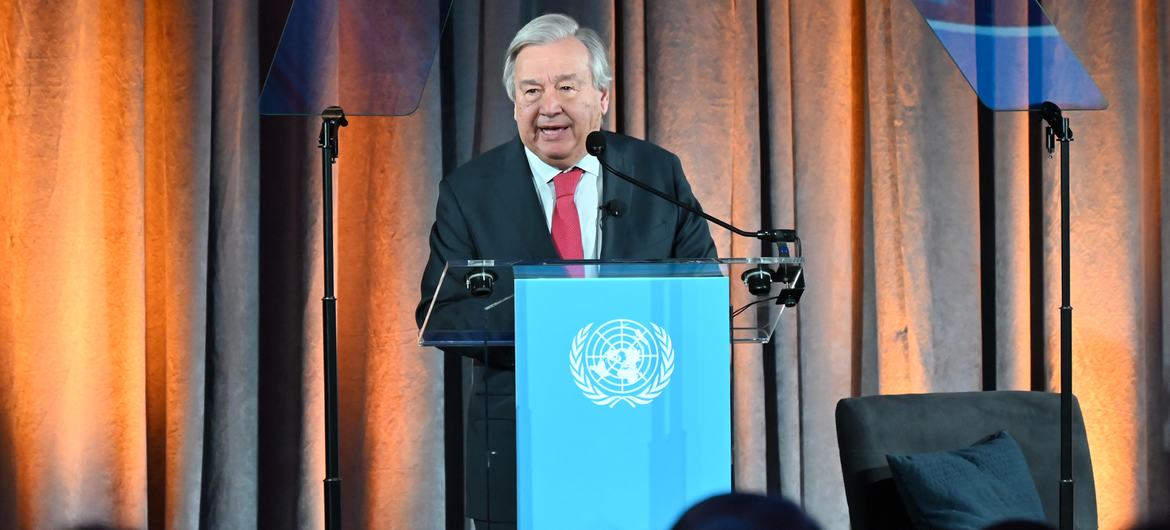
The United Nations Secretary-General António Guterres has highlighted the ongoing impact of colonialism on the world’s 17 remaining Non-Self-Governing Territories. During the opening session of the Special Committee on Decolonization, he emphasized the need for inclusive dialogue, youth leadership, and urgent climate action to address the challenges faced by these territories. Guterres pointed out that while many nations have gained independence since 1945, the scars of colonialism still affect millions, underscoring the importance of self-determination and governance.
Colonial Legacy and Current Realities
In his address, Guterres noted that when the United Nations was founded in 1945, approximately 750 million people lived in Non-Self-Governing Territories, which were under colonial rule. Today, around 2 million people in 17 territories still find themselves in this situation. These territories include American Samoa, Anguilla, Bermuda, and the Falkland Islands, among others, and are administered by countries such as France, New Zealand, the United Kingdom, and the United States. A territory is classified as non-self-governing if it has not achieved independence or full integration with another state, and if its governance is still under external authority. Guterres stressed that the legacy of colonialism has resulted in economic exploitation, racism, and exclusion from decision-making processes, which continue to shape the lives of the inhabitants of these territories.
Three Priorities for the Future
Guterres outlined three key priorities for addressing the issues faced by Non-Self-Governing Territories. First, he called for inclusive dialogue that involves all stakeholders, including the territories themselves, administering powers, and member states. He emphasized that this dialogue should be tailored to the unique aspirations and needs of each territory. Second, he highlighted the importance of youth leadership, stating that the vision and involvement of younger generations are crucial for building a productive and inclusive future. Lastly, he underscored the urgent need for climate action, particularly as many of these territories are small islands vulnerable to rising sea levels and extreme weather events. The Secretary-General’s call to action aims to empower local voices and ensure that their needs are prioritized in discussions about their futures.
Decolonization: An Ongoing Challenge
Menissa Rambally, re-elected as Chair of the Special Committee, reiterated that the decolonization agenda remains an unfinished task. She emphasized that the cause of decolonization is not just an institutional obligation but a fundamental aspect of the United Nations’ founding principles, reflecting a shared commitment to dignity and equality. The committee also elected new vice-chairs and a rapporteur to support its work. The ongoing discussions highlight the need for a concerted effort to address the historical injustices faced by these territories and to promote their right to self-determination.
Regional Developments and Calls for Action
The Special Committee acknowledged Ecuador’s decision to withdraw from its membership and approved a tentative program for future work. Nicaragua will host the Caribbean Regional Seminar in May 2026, reaffirming its commitment to the decolonization cause. Representatives from various countries, including Indonesia and Cuba, voiced their support for meaningful progress in decolonization efforts. They called for constructive dialogue and an end to practices that perpetuate colonial legacies, such as economic blockades. The discussions reflect a growing consensus on the need for a new approach to decolonization that prioritizes the rights and needs of the people in Non-Self-Governing Territories, aiming for tangible progress in their quest for self-determination.
Observer Voice is the one stop site for National, International news, Sports, Editor’s Choice, Art/culture contents, Quotes and much more. We also cover historical contents. Historical contents includes World History, Indian History, and what happened today. The website also covers Entertainment across the India and World.
Follow Us on Twitter, Instagram, Facebook, & LinkedIn

