

Sam Altman’s Urgent Strategy to Realign OpenAI and Compete with Google

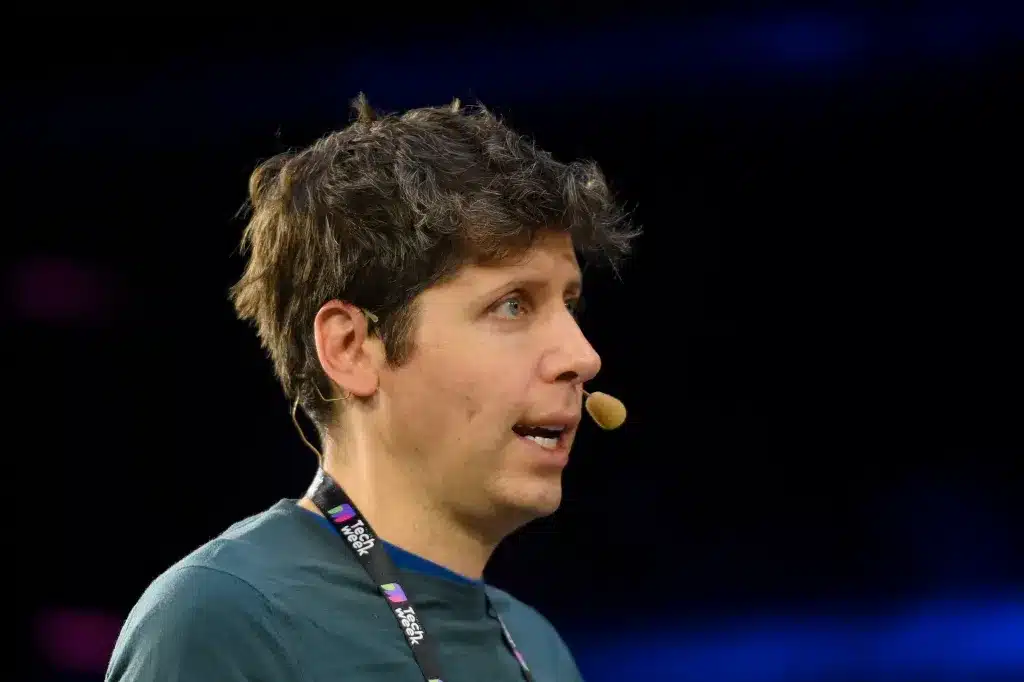
The world’s leading startup, OpenAI, is undergoing a significant strategic shift as CEO Sam Altman calls for an eight-week pause on side projects, including the Sora video generator, to focus on enhancing ChatGPT, the chatbot that ignited the AI revolution. This decision highlights a deeper philosophical divide within the company regarding its aim for widespread consumer appeal versus its ambition for groundbreaking research. Altman suggests that to ensure OpenAI’s survival, the company must prioritize user satisfaction over its original goal of achieving artificial general intelligence (AGI).
Strategic Shift in Focus
Sam Altman’s recent directive to halt side projects reflects a critical moment for OpenAI as it navigates the competitive landscape of artificial intelligence. The company, originally founded to pursue AGI—defined as surpassing human intelligence in nearly all tasks—now faces the reality that it must cater to consumer demands to thrive. Altman’s memo emphasizes the need for improved user engagement with ChatGPT, advocating for a better utilization of user feedback to enhance the chatbot’s performance. This shift comes amid growing competition from rivals like Google and Apple, which are rapidly advancing their own AI technologies.
The decision to prioritize ChatGPT over other initiatives is significant, especially given past criticisms of Altman’s leadership style, which has been characterized by an unwillingness to impose limits on the company’s ambitions. By focusing on user signals—feedback derived from everyday interactions rather than professional evaluations—OpenAI aims to refine ChatGPT’s capabilities. This approach has already shown promising results, with increased user engagement metrics indicating a successful pivot in strategy.
Internal Tensions and Competitive Pressures
OpenAI’s internal dynamics reveal a longstanding tension between teams focused on product development and those pursuing cutting-edge research. Key figures, including Fidji Simo and CFO Sarah Friar, advocate for allocating more resources to ChatGPT, emphasizing the importance of user experience and feature discovery. In contrast, researchers have been more inclined to push the boundaries of AI technology, often at the expense of enhancing the basic chatbot experience.
As OpenAI prepares to launch its new model, 5.2, executives hope it will reinvigorate interest among business and coding clients. However, the decision to release this model despite calls for further refinement underscores the urgency felt within the company. Altman’s acknowledgment of a “code red” moment highlights the competitive pressures OpenAI faces, particularly from Google, which has made significant strides with its Gemini AI model.
The competitive landscape is evolving rapidly, with Google’s recent successes in AI prompting OpenAI to reassess its strategies. Altman believes that the real competition lies not just with Google but also with Apple, as the integration of AI into consumer devices becomes increasingly critical. OpenAI’s aggressive hiring from Apple indicates a strategic move to bolster its hardware capabilities, which could play a pivotal role in the future of AI applications.
Addressing Mental Health Concerns
OpenAI’s rapid growth and the success of ChatGPT have not come without challenges. The company has faced scrutiny over the mental health implications of its chatbot, particularly with the release of the GPT-4o model, which has been linked to adverse psychological effects in some users. Reports of users experiencing delusions or manic episodes while interacting with ChatGPT have raised alarms, prompting OpenAI to declare a “code orange” in response to these issues.
In light of these concerns, OpenAI has committed to working with mental health experts to ensure that its models respond appropriately to users in distress. The company has also made adjustments to its training processes to mitigate the risks associated with user feedback, which had previously been a significant factor in the chatbot’s performance. Altman has acknowledged the potential dangers of prioritizing engagement over safety, emphasizing the need for a balanced approach.
As OpenAI continues to navigate these challenges, the company is also looking to enhance its chatbot’s personalization features. While this could improve user experience, it also raises questions about the potential for exacerbating mental health issues among vulnerable users. The ongoing debate about the ethical implications of AI engagement strategies echoes concerns raised in the social media landscape, where similar issues have led to widespread criticism.
The Path Forward for OpenAI
Looking ahead, OpenAI is poised to release new models that promise improved performance and user experience. The upcoming 5.2 model aims to address some of the criticisms leveled at previous iterations, while a subsequent release in January is expected to enhance image quality and overall functionality. Altman’s vision for ChatGPT includes a focus on personalization, which could further engage users but also necessitates careful consideration of mental health impacts.
As OpenAI strives to balance its ambitious research goals with the immediate needs of its consumer base, the company faces a critical juncture. The lessons learned from its rapid growth and the challenges encountered along the way will be essential in shaping its future direction. With competitors closing in, OpenAI’s ability to adapt and respond to both market demands and ethical considerations will determine its success in the evolving landscape of artificial intelligence.
Observer Voice is the one stop site for National, International news, Sports, Editor’s Choice, Art/culture contents, Quotes and much more. We also cover historical contents. Historical contents includes World History, Indian History, and what happened today. The website also covers Entertainment across the India and World.

