

Safety Benefits of Installing Propane Gas Sensors in Residential Buildings

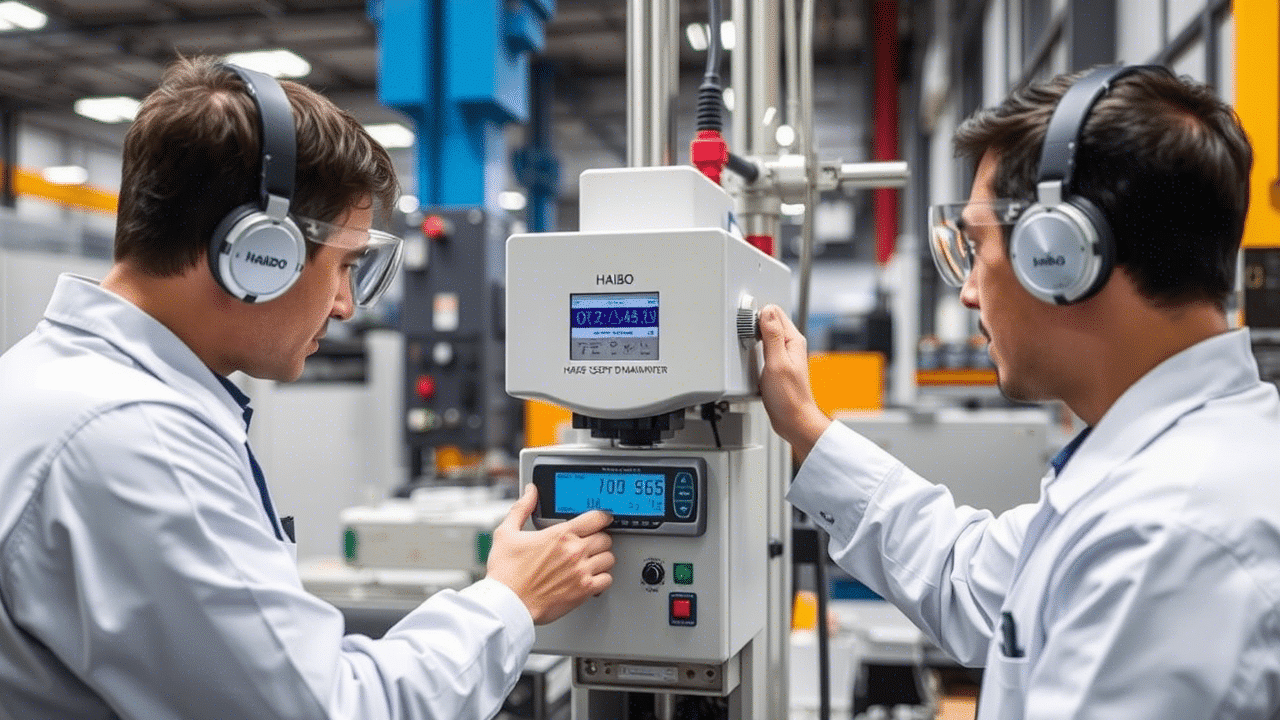
Propane is widely used in residential environments as a clean, efficient, and affordable energy source. Homes rely on propane to power stoves, water heaters, furnaces, fireplaces, and outdoor grills. Despite its convenience, propane is a highly flammable gas that poses serious risks when leaks go undetected. That is why installing a propane gas sensor early in the home safety setup has become a critical measure for protecting residents, preventing accidents, and ensuring long-term peace of mind.
While many homeowners rely on smoke alarms and carbon monoxide detectors, propane monitoring is often overlooked—even though propane-related incidents can be equally dangerous. Understanding the safety benefits of propane gas sensors helps homeowners make informed decisions about safeguarding their families and property.
1. Early Detection of Potentially Dangerous Gas Leaks
One of the most important functions of a propane gas sensor is its ability to detect small leaks long before they reach hazardous levels. Propane is heavier than air, so it tends to accumulate near the floor, especially in poorly ventilated spaces like basements, laundry rooms, or enclosed kitchens.
Without a sensor, leaks may go unnoticed until the smell becomes intense—or until an ignition source triggers a fire or explosion. Early detection:
- Prevents gas from building up to flammable concentrations
- Allows homeowners to take immediate action
- Reduces the likelihood of emergency repairs
- Helps technicians diagnose malfunctioning appliances faster
This fast-response monitoring capability is essential for homes that use multiple propane-powered appliances or store propane tanks indoors.

2. Prevention of Fire and Explosion Risks
Propane becomes explosive when mixed with air at concentrations between 2.1% and 9.5%. A small leak from a cracked hose, malfunctioning valve, or aging appliance can create a highly combustible environment without any visible warning signs.
Installing propane gas sensors dramatically reduces these risks by:
- Triggering alarms when gas levels approach unsafe thresholds
- Allowing homeowners to shut off gas lines before ignition occurs
- Supporting automatic shutoff systems in more advanced setups
A simple household spark—from static electricity, a light switch, or a refrigerator motor—can ignite accumulated propane. By providing continuous monitoring, sensors act as a first line of defense against accidental explosions.
3. Protection for Vulnerable Household Members
Children, seniors, and individuals with health conditions may not quickly identify the telltale odor added to propane (ethyl mercaptan) or may not react fast enough during a gas emergency. Some people also have reduced sensitivity to odors due to age or medical conditions.
Propane gas sensors provide reliable protection by:
- Alerting residents through loud alarms, light indicators, or smart-home notifications
- Ensuring those with limited mobility or reduced senses are promptly warned
- Allowing caregivers or remote family members to receive alerts via connected devices
For households with vulnerable individuals, sensors offer an extra safety layer that human senses alone cannot guarantee.

4. Improved Indoor Air Quality and Health Safety
Although propane itself is not toxic, leaks can displace oxygen in enclosed rooms, creating suffocation risks. Poor combustion from malfunctioning propane appliances can also increase carbon monoxide production—a dangerous scenario when both gases accumulate simultaneously.
Propane gas sensors help maintain a healthy indoor environment by:
- Detecting leaks from stoves, heaters, and water boilers
- Encouraging timely maintenance of combustion appliances
- Preventing oxygen displacement in small rooms or enclosed spaces
Enhanced air quality monitoring contributes to a safer, healthier living environment, especially for homes that rely heavily on propane heating during winter.
5. Integration with Smart Home Safety Systems
Modern propane gas sensors can integrate seamlessly with smart home ecosystems. This allows homeowners to receive alerts on smartphones, trigger automated responses, and maintain fully connected safety monitoring.
Smart home integration enables:
- Remote alerts if a leak occurs while residents are away
- Automatic shutoff of gas valves
- Activation of ventilation fans
- Communication with home security systems
This upgraded level of automation ensures rapid response and minimizes reliance on manual intervention.

6. Reduced Property Damage and Lower Repair Costs
Gas leaks that go unnoticed can lead to costly property damage, from soot contamination to explosive structural destruction. Even minor leaks can corrode appliances, shorten equipment lifespan, and require expensive service calls.
Propane gas sensors help homeowners avoid these issues by:
- Promptly identifying leaks before they escalate
- Preventing fires that could damage walls, ceilings, or utilities
- Reducing the severity and cost of emergency repairs
Proactive detection is far more affordable than recovering from a major propane-related incident.
7. Enhanced Compliance with Residential Safety Standards
Some regions encourage or require propane gas detection in homes that use propane appliances. Even where not mandated, installing sensors ensures compliance with insurance recommendations, manufacturer guidelines, and modern safety standards.
Homeowners benefit by:
- Improving insurance eligibility or receiving premium incentives
- Meeting landlord or rental property safety obligations
- Aligning with updated residential building codes
Compliance not only protects residents—it may also reduce liability in propane-related incidents.
Conclusion
Installing propane gas sensors in residential buildings is one of the most effective ways to prevent gas-related accidents, protect vulnerable household members, and maintain a safe indoor environment. A high-quality propane gas sensor offers early leak detection, reduces fire and explosion risks, supports smart home integration, and helps avoid costly property damage.
As more homes adopt propane-powered appliances and heating systems, reliable gas detection technology is becoming an essential part of residential safety planning. Investing in propane gas sensors is not just a precaution—it is a crucial step toward ensuring long-term protection, peace of mind, and a secure living space for every resident.
Observer Voice is the one stop site for National, International news, Sports, Editor’s Choice, Art/culture contents, Quotes and much more. We also cover historical contents. Historical contents includes World History, Indian History, and what happened today. The website also covers Entertainment across the India and World.

