

Revolutionary Bacterial Proteins Could Transform Electronics

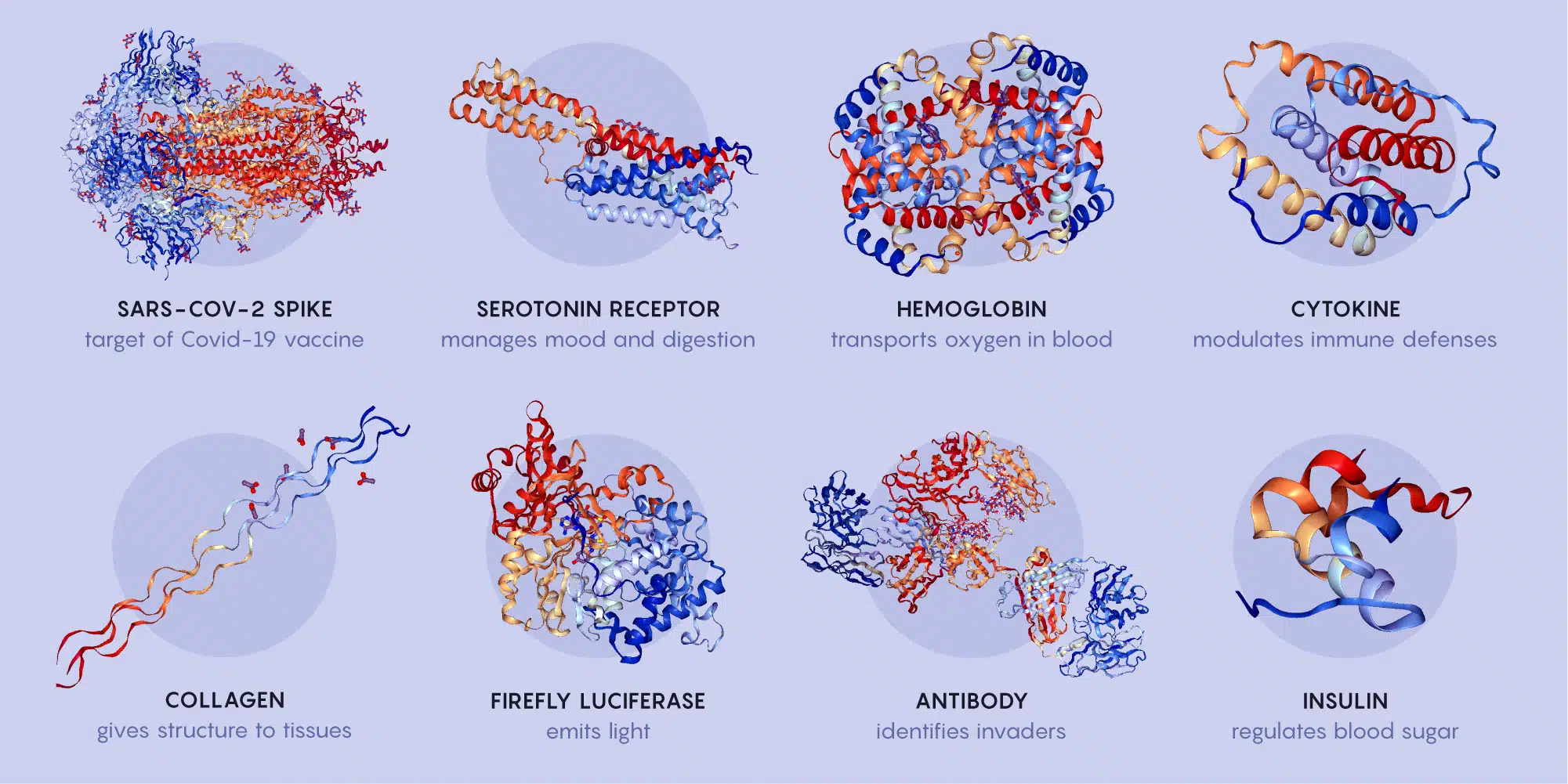
A groundbreaking discovery involving a self-assembling bacterial shell protein may soon revolutionize the field of electronics. Researchers at the Institute of Nano Science and Technology (INST) in Mohali have uncovered semiconductor properties within these proteins that could lead to the creation of safe, eco-friendly electronic devices. From mobile phones and smartwatches to medical instruments and environmental sensors, the potential applications are vast and exciting.
Traditional semiconductors, like silicon, are widely used but come with significant drawbacks. They are rigid, necessitate high-energy processing, and contribute to the growing problem of electronic waste. As the demand for sustainable and biocompatible electronics rises—particularly for wearables and implantable devices—the need for innovative materials is more pressing than ever.
Breakthrough in Protein Research
Dr. Sharmistha Sinha and her research team at INST, which includes student researchers Ms. Silky Bedi and Mr. S. M. Rose, aimed to investigate whether self-assembling bacterial shell proteins could be intrinsically photoactive. Their experiments revealed that when these proteins form flat, sheet-like structures, they can absorb UV light and generate electrical currents without the need for additional dyes, metals, or external power sources. This function offers a new paradigm for achieving light-driven, scaffold-free semiconductors.
The research team discovered that these proteins organize themselves into thin sheets capable of conducting electricity when exposed to UV light. This occurs due to the presence of tyrosine, a natural amino acid that releases electrons upon light excitation. As electrons and protons move across the surface of these protein sheets, they generate electrical signals in a manner similar to that of miniature solar cells. Notably, this process works without synthetic additives or high-temperature manufacturing requirements.
Potential Applications in Everyday Life
The findings open the door to remarkable applications. Since the material is flexible and safe to use, it could lead to wearable health monitors, skin-friendly UV detection patches, and implantable medical sensors that function harmoniously within the human body. Furthermore, these proteins may serve as temporary or disposable environmental sensors, capable of tracking pollution or sunlight while being designed to break down naturally after their use, thereby minimizing environmental harm.
To arrive at this significant discovery, the INST team meticulously analyzed how the proteins assemble, their behavior under illumination, and how they facilitate the movement of electricity. Utilizing advanced microscopy and precise electrical testing, researchers confirmed that the semiconductor-like properties stem from the proteins’ ordered structure and the unique orientation of tyrosine residues. Comparisons with disordered proteins established that this remarkable effect is specific to the naturally organized protein sheets.
A Step Towards Sustainable Electronics
Published in the journal Chemical Science, this study marks an important milestone in developing bio-inspired electronics that learn from nature’s ingenious mechanisms. The future could see these proteins being leveraged to create more affordable, biocompatible sensors and minimally invasive medical devices. This research represents a significant shift toward an era of electronics that are not only functional and efficient but also safe and sustainable for people and the planet.
For further information, refer to the publication link: DOI: 10.1039/D5SC05716G.
Observer Voice is the one stop site for National, International news, Sports, Editor’s Choice, Art/culture contents, Quotes and much more. We also cover historical contents. Historical contents includes World History, Indian History, and what happened today. The website also covers Entertainment across the India and World.

