

Revamped Labour Rules: Key Changes in Gratuity and Equal Wages Explained

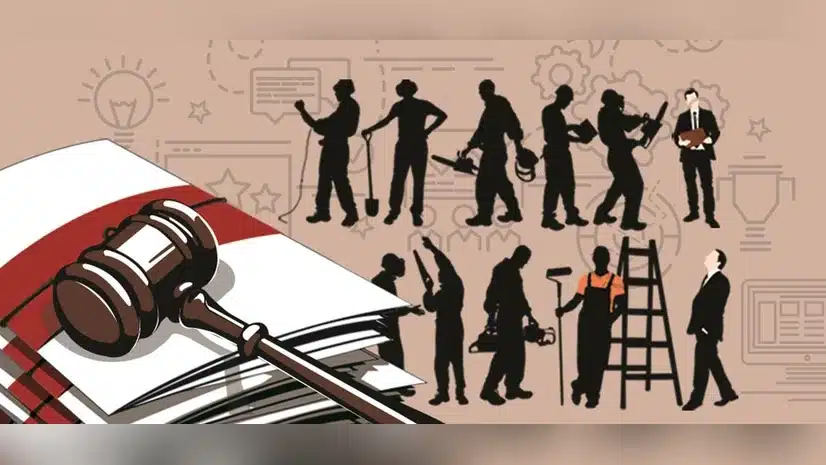
The Indian government has recently implemented significant labour reforms through the notification of its four Labour Codes, which aim to enhance the rights and benefits of various worker categories, including fixed-term employees, women, gig workers, and those in micro, small, and medium enterprises (MSMEs). Issued on Friday, these reforms replace 29 existing labour laws and are designed to provide better protections and benefits for workers across the country.
Reforms for Fixed-Term and Contract Workers
Under the new regulations, Fixed-Term Employees (FTEs) will now enjoy benefits that are on par with those of permanent employees. This includes access to leave, medical coverage, and social security. Notably, the eligibility period for gratuity has been reduced from five years to just one year, making it easier for these workers to receive their entitlements. Additionally, contract workers will also benefit from health and social security provisions provided by their principal employers, which will include free annual health check-ups. These changes are expected to improve job security and overall welfare for fixed-term and contract workers, who often face precarious employment conditions.
Support for Gig and Platform Workers
For the first time, gig and platform workers have been formally defined within the legal framework. Aggregators, which are companies that connect gig workers with clients, are now required to contribute between 1% and 2% of their annual turnover to social security funds. This contribution is capped at 5% of the payments made to gig and platform workers. Furthermore, the introduction of Aadhaar-linked Universal Account Numbers will facilitate the portability of benefits across different states, ensuring that gig workers can access their entitlements regardless of their location. This marks a significant step towards recognizing the rights of gig workers, who have traditionally been excluded from many labour protections.
Advancements for Women Workers
The new labour codes also address gender discrimination in the workplace by legally prohibiting it for the first time. The government has mandated equal pay for equal work, ensuring that women receive fair compensation. Additionally, women will now have the opportunity to work night shifts and in all job categories, including those that involve underground mining and heavy machinery, provided they give their consent and adhere to safety regulations. The reforms also require that women be represented in grievance committees, enhancing their voice in workplace issues. Moreover, the definition of family for female workers has been expanded to include parents-in-law, further recognizing the diverse family structures in contemporary society.
Protections for Youth and MSME Workers
The reforms stipulate that all workers, including those in MSMEs, must receive minimum wages and appointment letters. Wage payments during leave are now compulsory, ensuring that workers do not suffer financially when taking time off. MSME workers are specifically covered under the Social Security Code based on the number of employees, and they are entitled to minimum wages, workplace facilities, double overtime wages, and timely payments. Additionally, workers in the audio-visual and digital media sectors, such as journalists and stunt performers, will now receive full benefits, with mandatory appointment letters being introduced. These measures aim to create a more equitable and secure working environment for all employees, particularly in sectors that have previously lacked adequate protections.
The recent labour reforms represent a comprehensive effort by the Indian government to modernize its labour laws and extend protections to a broader range of workers, reflecting the changing dynamics of the workforce in the country.
Observer Voice is the one stop site for National, International news, Sports, Editor’s Choice, Art/culture contents, Quotes and much more. We also cover historical contents. Historical contents includes World History, Indian History, and what happened today. The website also covers Entertainment across the India and World.

