

Remembering MS Dhoni’s Humble Beginnings in Indian Cricket: The Golden Duck That Started It All

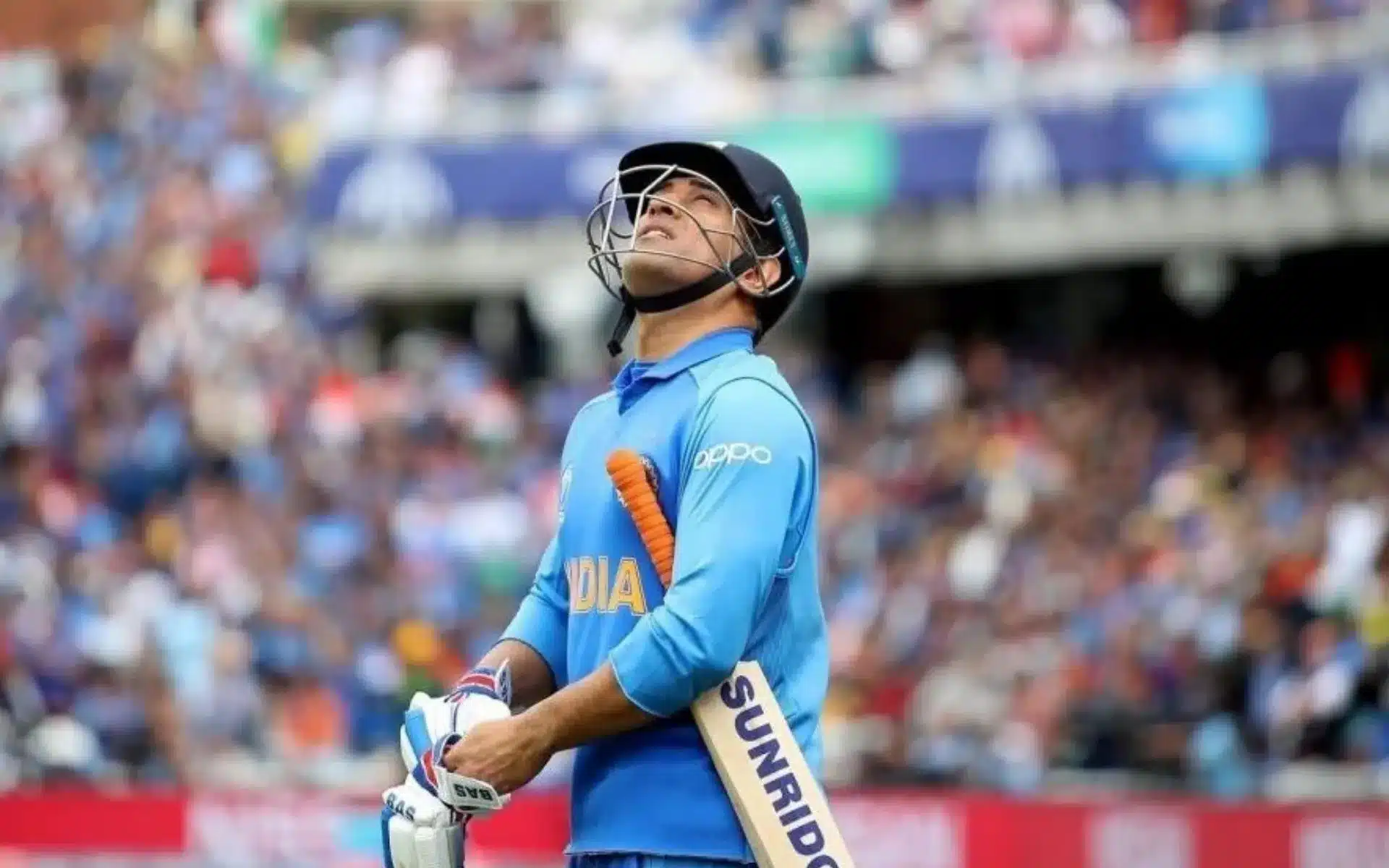
On this day in 2004, Indian cricket witnessed the debut of Mahendra Singh Dhoni, a player who would go on to transform the sport’s landscape. Dhoni made his first appearance in an ODI against Bangladesh in Chittagong, stepping onto the field with little fanfare. Initially seen as just another newcomer from Ranchi, he quickly proved to be a pivotal figure in cricket history, showcasing remarkable talent and resilience that would define his career.
Early Days and Initial Struggles
When Dhoni debuted, India was in a state of transition, with senior players nearing the end of their careers. He was positioned at No. 7, a role that required adaptability rather than glamour. His debut, however, did not start as he might have hoped. Dhoni faced a run-out on his very first ball, leaving him with a golden duck. This could have shattered the confidence of many young players, but Dhoni’s composure set him apart. Observers noted his sharp movements behind the stumps and his calm demeanor, suggesting that he was unfazed by the pressure of international cricket.
Despite the rocky start, the Indian team recognized Dhoni’s potential. Just two matches later, he showcased his talent in a match against Pakistan, scoring an impressive 148 runs off 123 balls. This innings marked a turning point in his career and established him as a formidable player. His aggressive batting style and unique helicopter shot captivated fans and marked the beginning of his journey as a match-winner for India.
Transforming the Wicketkeeper Role
Dhoni’s impact on the game extended beyond his batting prowess. He redefined the expectations of a wicketkeeper-batter, proving that this role could be synonymous with aggressive batting. His early days were characterized by raw aggression, which later evolved into a more calculated approach. Dhoni became known for his ability to read match situations, often guiding his team to victory with his finishing skills. Fans grew accustomed to his knack for hitting boundaries in crucial moments, solidifying his reputation as a clutch performer.
As he continued to excel, Dhoni’s leadership qualities began to emerge. He was gradually entrusted with captaincy roles, first in T20s and later in ODIs and Tests. Many questioned his readiness to lead, given his relatively short international career. However, Dhoni silenced critics by leading India to significant victories, including the 2007 T20 World Cup, the 2011 ODI World Cup, and the 2013 Champions Trophy. His calm demeanor and ability to absorb pressure became hallmarks of his leadership style.
A Legacy of Calm and Resilience
Off the field, Dhoni’s influence extended to nurturing young talent and maintaining a level-headed approach in high-pressure situations. His presence in the dressing room was often described as reassuring, with teammates appreciating his ability to remain composed. In a cricket-obsessed nation, Dhoni’s nonchalant attitude set him apart from other players, making him a beloved figure among fans and teammates alike.
Reflecting on Dhoni’s debut from the perspective of 2025, it is evident that his journey has been one of patience and resilience. The initial run-out that could have been a setback instead became a testament to his character. His story serves as a reminder that first impressions can be misleading and that true greatness often unfolds over time. Twenty-one years after that fateful day in Chittagong, Dhoni’s legacy as “Captain Cool” remains an inspiring tale in the annals of cricket history. His rise from a small-town boy to a global icon illustrates the profound impact one individual can have on a sport.
Observer Voice is the one stop site for National, International news, Sports, Editor’s Choice, Art/culture contents, Quotes and much more. We also cover historical contents. Historical contents includes World History, Indian History, and what happened today. The website also covers Entertainment across the India and World.

