

OpenAI Unveils Sora App, a New Competitor to TikTok, with Sora 2 Model Launch

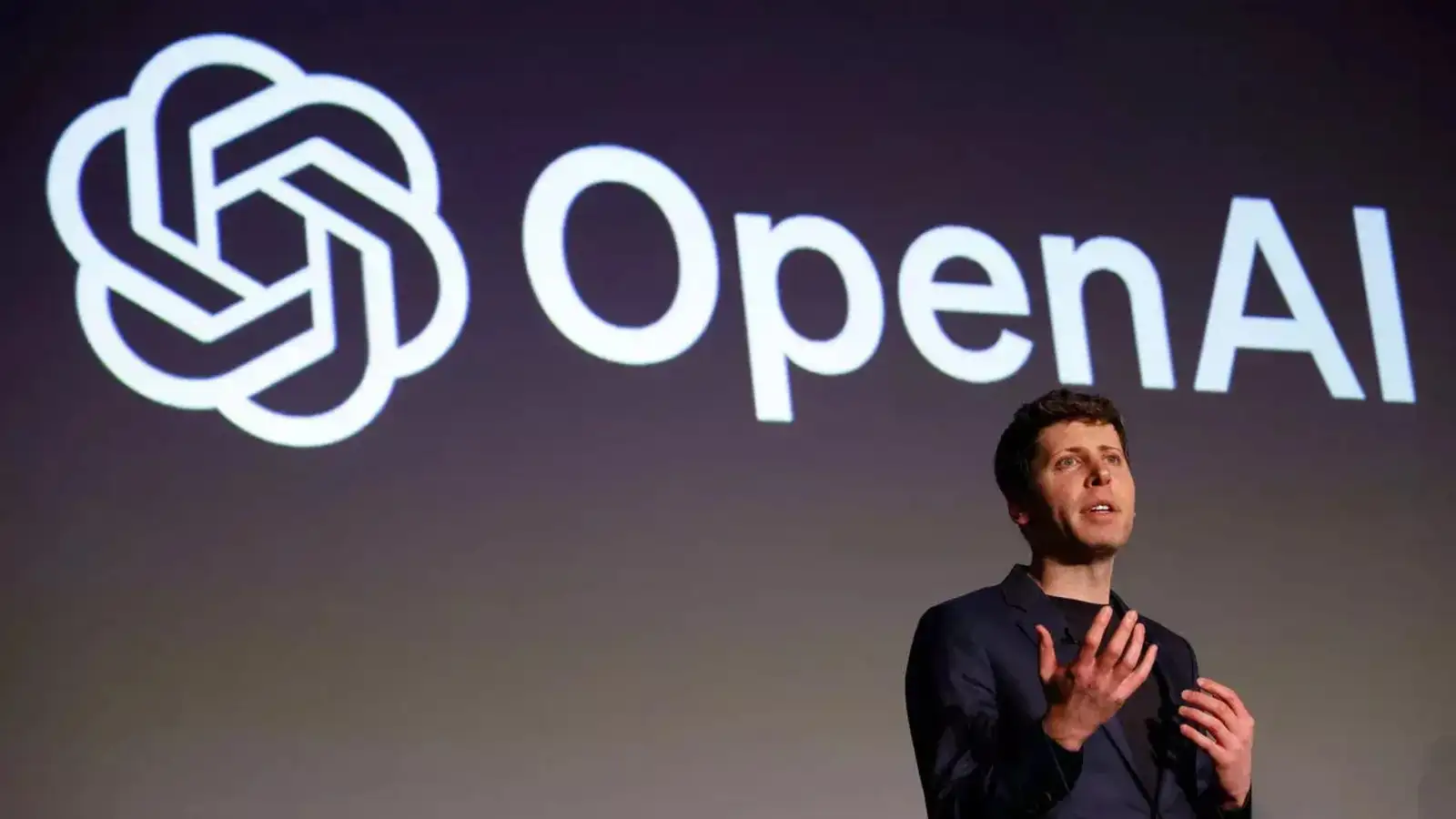
On Tuesday, OpenAI unveiled Sora 2, an advanced audio and video generator designed to enhance the capabilities of its predecessor, Sora. Alongside this innovative model, the company introduced a new social app named Sora, enabling users to create and share videos of themselves and friends on a TikTok-style feed. This development follows earlier reports from Wired regarding OpenAI’s venture into social media.
Enhanced Realism with Sora 2
Although the Sora 2 model and app are currently invite-only, OpenAI has showcased impressive examples of its capabilities. The new model significantly improves upon previous versions by adhering more closely to the laws of physics, resulting in more realistic video outputs. Demonstrations include various activities such as beach volleyball, skateboarding, gymnastics, and diving, all of which highlight the model’s enhanced realism. OpenAI noted that earlier video models often produced unrealistic results, such as objects morphing or teleporting to meet a text prompt. For instance, if a basketball player misses a shot, previous models might show the ball teleporting into the hoop, whereas Sora 2 accurately depicts the ball rebounding off the backboard.
Innovative Features of the Sora App
The Sora app introduces a unique feature called “cameos,” allowing users to insert themselves into Sora-generated scenes. To utilize this feature, users must upload a one-time video and audio recording to verify their identity and capture their likeness. This capability not only enables users to create personalized content but also allows them to share their “cameos” with friends, granting permission for others to include their likeness in videos. OpenAI believes that a social app centered around this feature will provide users with an engaging way to experience the magic of Sora 2.
The app is currently available for download on iOS, initially rolling out in the U.S. and Canada, with plans for rapid expansion to other regions. While the Sora social platform is invite-only, ChatGPT Pro users can access the Sora 2 Pro model without needing an invitation.
Sharing and Parental Controls
Once videos are created, users can share them within the Sora app, which resembles popular platforms like TikTok and Instagram Reels. OpenAI’s algorithm will curate recommendations based on user activity, location, past engagement, and even ChatGPT conversation history, although users can opt out of sharing their conversation data. The app also includes parental controls via ChatGPT, allowing parents to manage their children’s experience by overriding infinite scroll limits, disabling algorithmic personalization, and controlling direct messaging options. However, the effectiveness of these controls largely depends on the parents’ technical skills.
The Sora app will be free at launch, encouraging users to explore its features without financial barriers. OpenAI has indicated that monetization plans may involve charging users for generating additional videos during peak demand periods.
Addressing User Safety Concerns
The introduction of a social platform raises important user safety considerations for OpenAI, which has faced similar challenges with ChatGPT. Users can revoke access to their likeness at any time, but this access could be misused. Even trusted individuals could potentially create misleading content that harms the original user. The issue of non-consensual videos generated by AI remains a significant concern, highlighting the need for clear regulations governing platform responsibility. As OpenAI navigates these challenges, the company must prioritize user safety to foster a secure environment for its new social app.
Observer Voice is the one stop site for National, International news, Sports, Editor’s Choice, Art/culture contents, Quotes and much more. We also cover historical contents. Historical contents includes World History, Indian History, and what happened today. The website also covers Entertainment across the India and World.

