

Ongoing Blockade in the Strait of Hormuz Affects India’s Russian Oil Imports

India’s crude oil imports from Russia have seen a notable decline, dropping 20% month-on-month in April to 1.57 million barrels per day. This decrease follows a significant surge in March, driven by supply disruptions in the Middle East due to the US-Iran conflict and a temporary waiver on US sanctions. Currently, nearly all Indian refiners, with the exception of Numaligarh Refinery, are sourcing Russian crude, marking a shift from earlier this year when only a few refiners were engaged in such imports.
Factors Behind the Decline in Russian Crude Imports
The reduction in Russian crude imports in April can be attributed to several factors, including loading disruptions at a major Russian export terminal following a Ukrainian attack. Indian Oil Corporation (IOC) has remained the largest importer of Russian crude, averaging 670,000 barrels per day between April 1 and April 26. This volume accounted for approximately 42% of India’s total Russian crude purchases during this period. In contrast, Reliance Industries imported an average of 263,000 barrels per day, significantly lower than IOC’s figures.
Other notable importers in April included Bharat Petroleum Corporation Limited, which imported 136,000 barrels per day, and Hindustan Petroleum Corporation Limited, which brought in 83,000 barrels per day. Mangalore Refinery and Petrochemicals Limited and HPCL-Mittal Energy Limited also contributed with imports of 68,000 and 66,000 barrels per day, respectively. Notably, Nayara Energy’s imports plummeted from 315,000 barrels per day in March to just 28,000 barrels per day in April, primarily due to a scheduled maintenance shutdown.
Impact of Previous Supply Disruptions
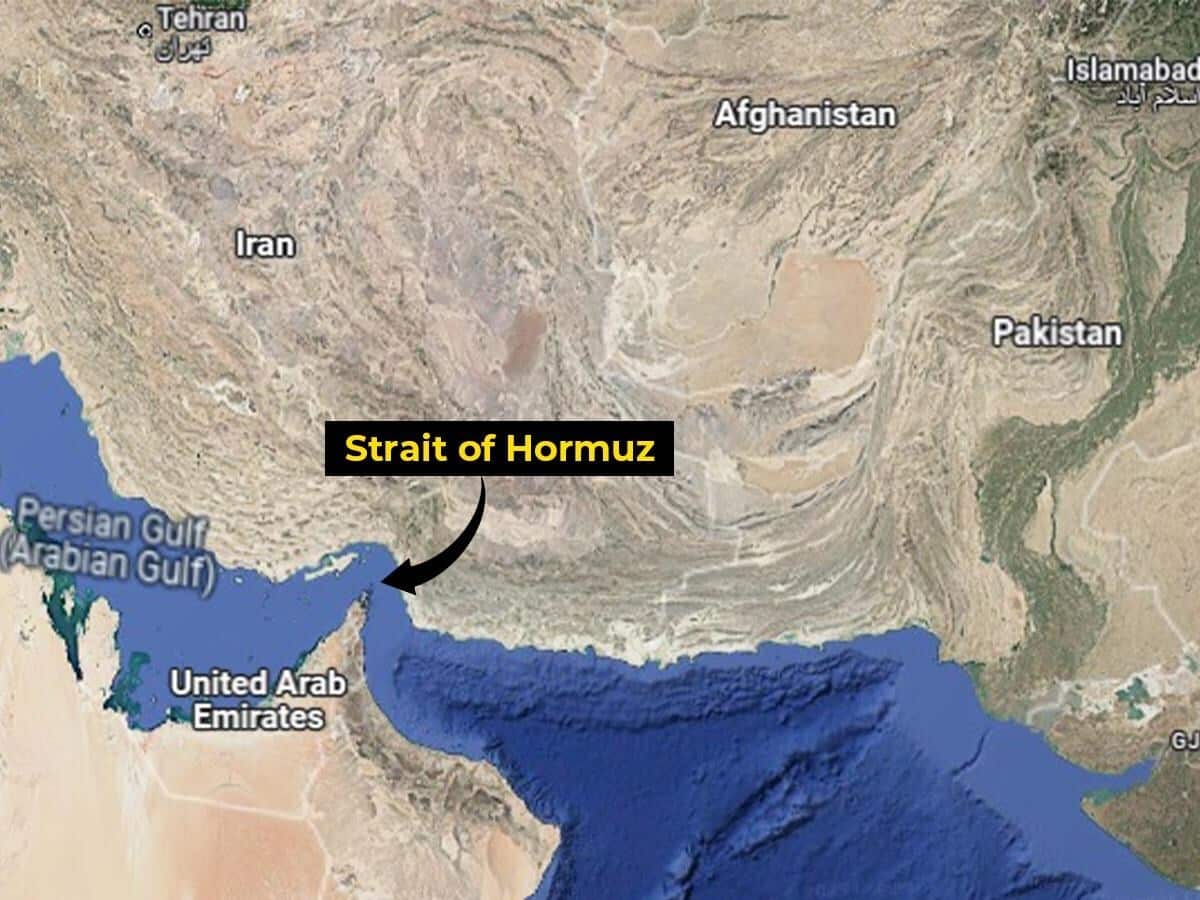
The spike in Russian crude imports during March was largely influenced by the temporary closure of the Strait of Hormuz, which prompted Indian refiners to seek readily available floating cargoes from Russia. This shift was necessary to mitigate the supply disruptions caused by the conflict in the Gulf region. In March, India imported nearly 2 million barrels per day of Russian crude, a significant increase from the 1.3 million barrels per day recorded in February.
The higher volumes in March were facilitated by floating supplies, as shipments from Russia typically take about a month to reach Indian ports. The lower loadings in February, resulting from US sanctions that limited Indian purchases, had a delayed effect on subsequent arrivals. Consequently, the influx of Russian crude in March was substantial, with estimated loadings around 1.5 million barrels per day, which translated into similar arrival volumes at Indian ports in April.
Future Outlook for Indian Refiners
As the situation evolves, Indian refiners are closely monitoring the geopolitical landscape and its potential impact on crude oil supplies. The temporary waiver on US sanctions has provided some relief, allowing refiners to continue sourcing Russian crude despite the ongoing tensions. However, the recent disruptions in loading operations due to Ukrainian attacks raise concerns about the stability of future supplies.
Analysts suggest that the dynamics of the crude oil market may continue to shift, influenced by geopolitical events and changes in demand. Indian refiners will need to adapt to these fluctuations to ensure a steady supply of crude oil. As of now, the trend indicates a cautious approach to Russian imports, with refiners balancing the need for supply against the backdrop of international sanctions and regional conflicts.
Observer Voice is the one stop site for National, International news, Sports, Editor’s Choice, Art/culture contents, Quotes and much more. We also cover historical contents. Historical contents includes World History, Indian History, and what happened today. The website also covers Entertainment across the India and World.

