

OLED vs Micro-LED: Which Display Technology Will Define Home Entertainment’s Future?

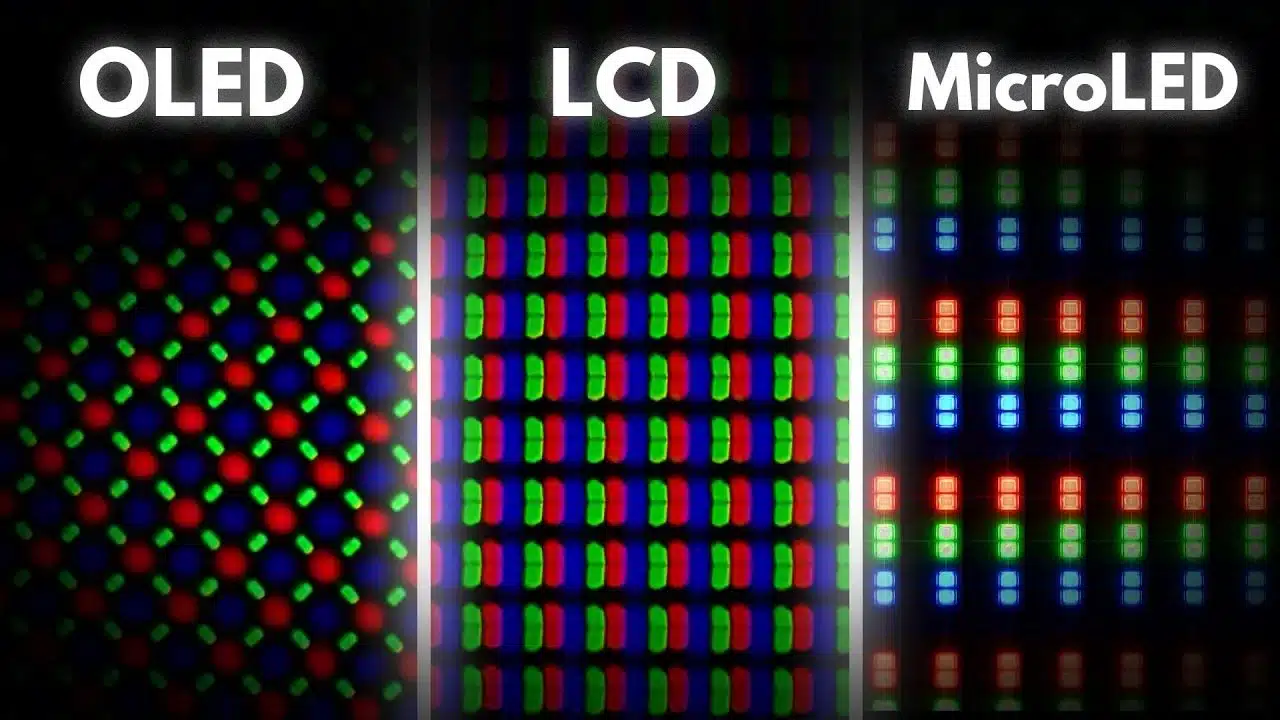
The television industry is on the brink of a significant transformation as two advanced display technologies, OLED and Micro-LED, vie for dominance in home entertainment. For over ten years, OLED has been the market leader, renowned for its exceptional picture quality. However, Micro-LED is emerging as a formidable competitor, promising even greater capabilities. As the rivalry intensifies, the future of television screens hangs in the balance, raising the question of whether OLED will maintain its supremacy or if Micro-LED will take the lead in the coming years.
Understanding OLED and Micro-LED Technologies
Both OLED and Micro-LED technologies share a crucial characteristic: each pixel generates its own light. This self-illuminating feature enables both types of displays to achieve perfect black levels, outstanding contrast, and wide viewing angles. The primary distinction between them lies in their construction. OLED panels utilize organic compounds to produce light, while Micro-LED panels are composed of microscopic light-emitting diodes made from inorganic materials.
This fundamental difference impacts their performance in various ways. OLED displays are celebrated for their deep blacks and vibrant colors, but their organic nature makes them susceptible to burn-in, a condition where static images leave a permanent mark on the screen. In contrast, Micro-LED technology, being inorganic, is resistant to burn-in and offers enhanced durability, making it a compelling option for consumers seeking longevity in their display devices.
Brightness: A Key Advantage for Micro-LED
One of the standout advantages of Micro-LED over OLED is its superior brightness. Modern OLED models, such as the LG G5, can achieve brightness levels ranging from 2,000 to 2,500 nits, which is impressive for this type of display. However, Micro-LED panels can reach brightness levels between 4,000 and 5,000 nits, with some prototypes exceeding even that. This capability gives Micro-LED displays a significant edge in brightly lit environments and allows for more lifelike highlights in HDR content.
Despite these advantages, OLED continues to be a favored choice among consumers due to its established production ecosystem and significant price reductions over the years. Manufacturers like LG and Samsung have also enhanced OLED performance through innovations such as Quantum Dot OLED, which improves color accuracy and brightness beyond earlier models.
Challenges Facing Micro-LED Adoption
While Micro-LED technology shows great promise, its journey toward mainstream adoption is fraught with challenges. The manufacturing process remains complex and costly, particularly for smaller screen sizes. Currently, Micro-LED televisions, such as Samsung’s 2024 models, are only available in sizes exceeding 100 inches and come with a hefty price tag of over $100,000. For Micro-LED to compete effectively in the consumer market, the production process must be simplified. Similar to the early years of OLED, Micro-LED is expected to undergo a refinement phase before it becomes widely accessible and affordable. Companies like Samsung, Sony, and Hisense are already exploring bridging technologies such as Mini-LED, which offer some benefits of Micro-LED at a lower cost. Meanwhile, OLED technology continues to evolve, with ongoing innovations aimed at producing brighter displays and extending their lifespan.
As the next decade unfolds, it will become clearer which display technology will capture the market. Currently, OLED remains the dominant choice in living rooms, but Micro-LED is poised to make a significant impact once it becomes more accessible to everyday consumers. With its potential for greater efficiency, longer durability, and unmatched luminance, Micro-LED could redefine the home entertainment experience. As both technologies advance, the competition between OLED and Micro-LED will shape the future of television screens worldwide.
Observer Voice is the one stop site for National, International news, Sports, Editor’s Choice, Art/culture contents, Quotes and much more. We also cover historical contents. Historical contents includes World History, Indian History, and what happened today. The website also covers Entertainment across the India and World.

