

Middle East Conflict Persists: Insights on Iran’s Economic Stability from Analysts

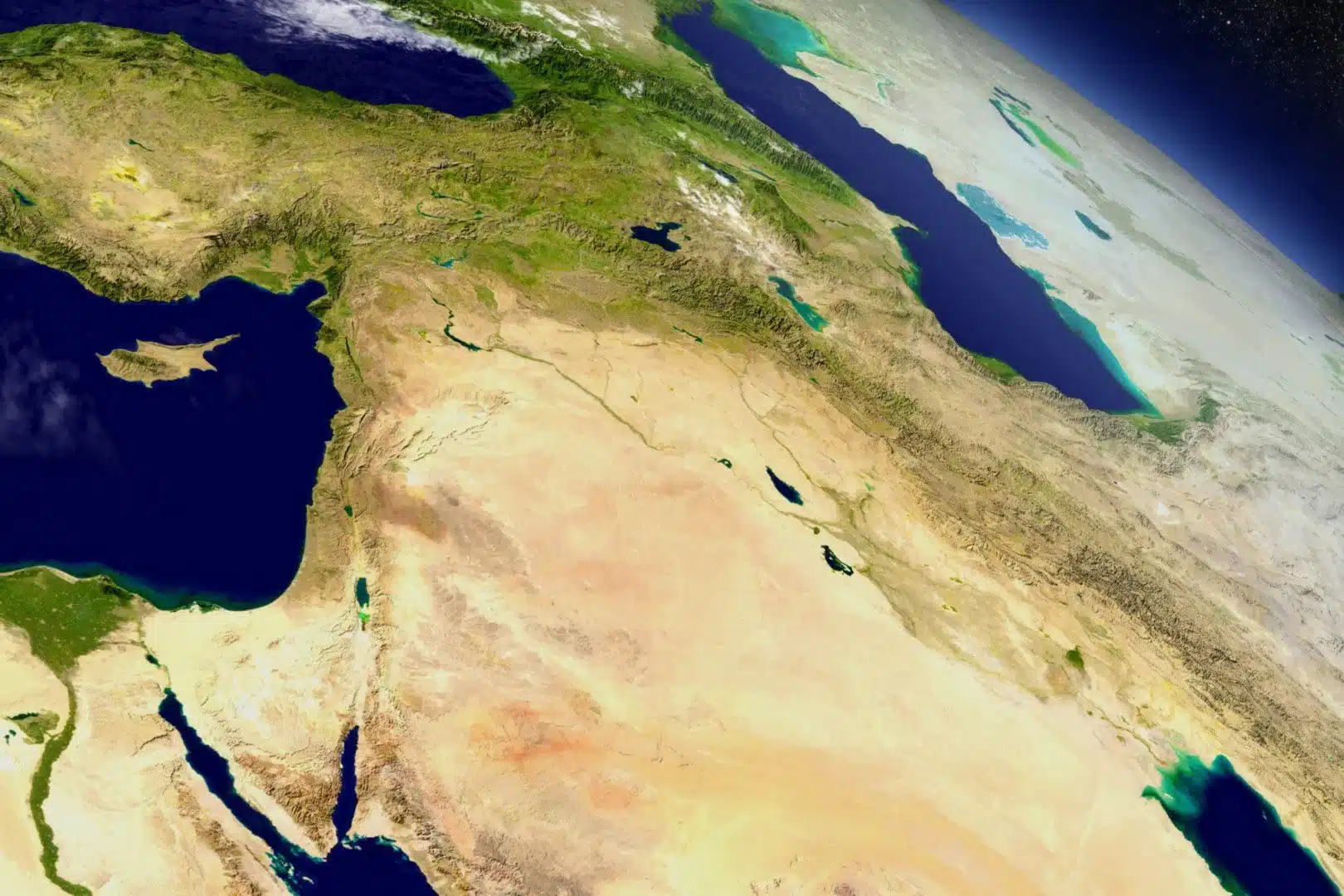
Weeks of escalating conflict have intensified economic pressures in Iran, straining its financial system amid ongoing tensions in the Gulf region. Despite a truce and maritime restrictions, the Islamic Republic finds itself in a stalemate with the United States and Israel, with ceasefire negotiations stalled and key shipping routes disrupted. Analysts suggest that while Iran faces significant challenges, it continues to manage internal supplies and limited external trade, relying on its so-called “resistance economy” to navigate these turbulent times.
Economic Resilience Amidst Challenges
The economic landscape in Iran is complex, with significant pressures stemming from the ongoing conflict. Analysts, including Sanam Vakil from Chatham House, indicate that Iran has a longer-term strategy than many Western policymakers anticipate. The country is leveraging its internal mechanisms and prioritizing domestic resources, which includes a focus on cross-border trade through land routes. Despite the damage to infrastructure and disruptions in oil exports, Iran has managed to maintain a degree of stability in food availability in urban markets. This resilience is reflected in the absence of broad restrictions on financial withdrawals or delayed salary payments, suggesting that the government is attempting to mitigate the impact of the crisis on its citizens.
Trade Dynamics and Agricultural Stability
Iran’s agricultural sector appears to be relatively resilient, benefiting from diversified supply routes and improved domestic production. While the country is the largest food importer in the region, it also boasts the least food insecurity, according to Ishan Bahnu, an agricultural commodities analyst. Trade continues through neighboring countries such as Turkey, Iraq, and Pakistan, with Russia increasing shipments across the Caspian Sea to bypass disrupted Gulf shipping routes. This adaptability in trade practices may help Iran reduce its dependency on imports in the near term, providing a buffer against the ongoing economic strain.
Domestic Economic Strain and Business Challenges
On the domestic front, the economic stress is palpable. Businesses are grappling with rising costs, supply chain disruptions, and declining consumer demand. For instance, Abbas Smaeelzade, a seller of rice and grains, reported a significant drop in sales as prices for basic goods continue to rise. Similarly, mechanic Hossein Amiri noted a drastic decrease in customer activity, warning that his business is on the brink of collapse if conditions do not improve. These challenges highlight the precarious situation many Iranians face as they navigate the economic fallout from the ongoing conflict.
Concerns Over Social Stability
As economic pressures mount, concerns about potential social unrest grow. Analysts warn that prolonged economic hardship could lead to increased instability within the country. Vakil emphasizes that a resolution to the crisis would require easing sanctions to enhance Iran’s access to international funds and trade. Additionally, Tehran needs to restore its ability to utilize foreign currency holdings abroad and expand its oil exports to stabilize its economy. The path forward remains uncertain, but the interplay between economic resilience and the potential for social unrest will be critical in shaping Iran’s future.
Observer Voice is the one stop site for National, International news, Sports, Editor’s Choice, Art/culture contents, Quotes and much more. We also cover historical contents. Historical contents includes World History, Indian History, and what happened today. The website also covers Entertainment across the India and World.
Follow Us on Twitter, Instagram, Facebook, & LinkedIn

