

Marco Rubio Asserts India’s Pledge to Halt Russian Oil Purchases at Munich Conference

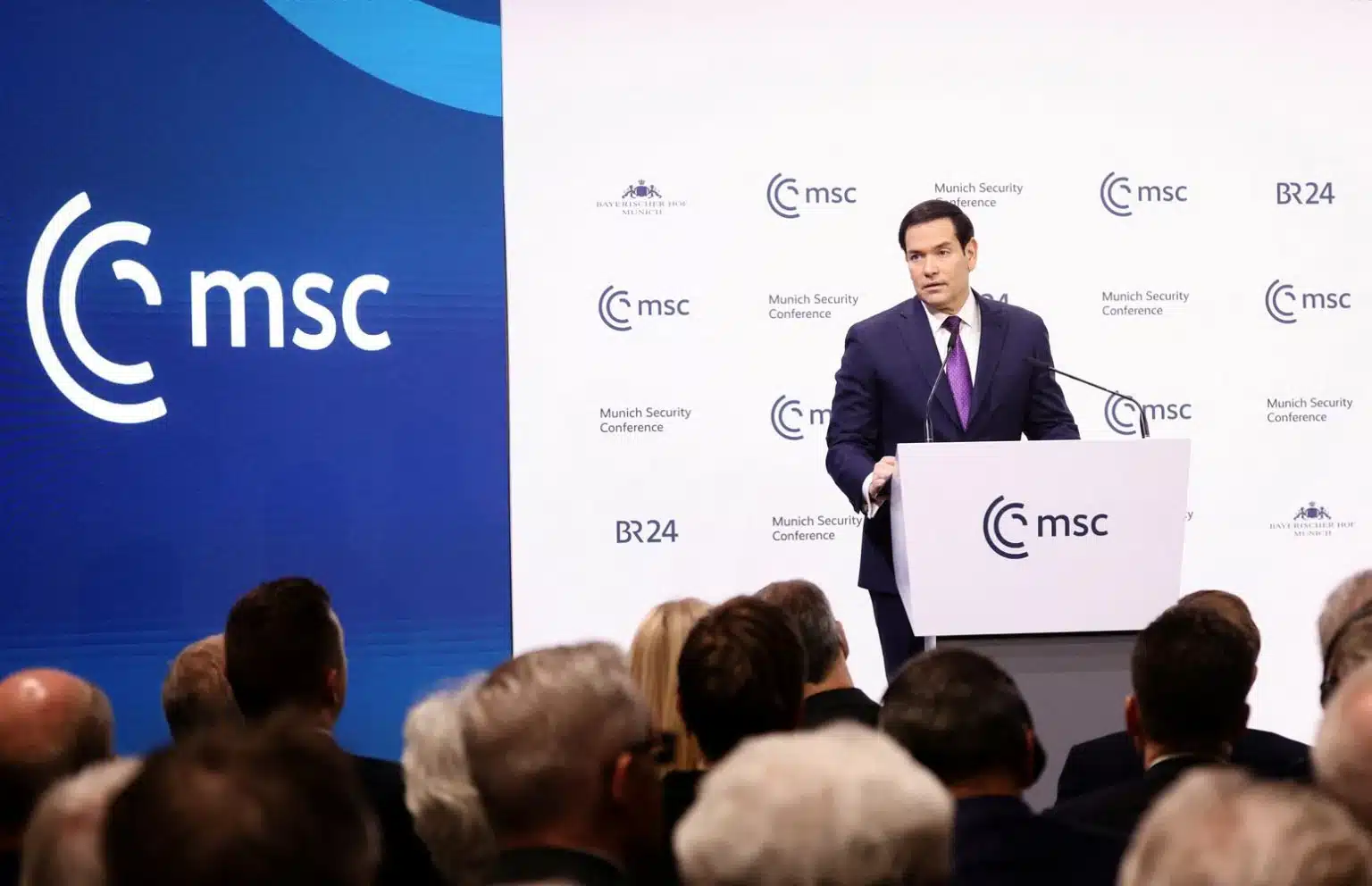
US Secretary of State Marco Rubio announced at the Munich Security Conference that the United States has secured a commitment from India to halt additional purchases of Russian oil. This development comes as the US intensifies sanctions against Russia in response to its ongoing conflict in Ukraine. Rubio emphasized the importance of maintaining pressure on Moscow while expressing uncertainty about Russia’s intentions regarding peace negotiations.
Commitment to Cease Russian Oil Purchases
During his address, Rubio highlighted the significance of the agreement with India, stating, “In our conversations with India, we’ve gotten their commitment to stop buying additional Russian oil.” This commitment aligns with the broader strategy of the US and its allies to impose sanctions on Russia and to explore diplomatic avenues for resolving the conflict in Ukraine. Rubio reiterated that the US is not only focused on sanctions but is also actively engaged in discussions to determine whether Russia is genuinely interested in ending the war. He noted, “The United States has imposed additional sanctions on Russia’s oil… Europe has taken its set of steps moving forward.” This coordinated effort aims to sustain pressure on Moscow while seeking a viable resolution to the ongoing crisis.
India’s Stance on Strategic Autonomy
In response to Rubio’s remarks, India’s External Affairs Minister S. Jaishankar reaffirmed the country’s commitment to “strategic autonomy.” He emphasized that India’s historical context and evolution shape its foreign policy decisions. When questioned about the potential impact of a trade agreement with the US on India’s oil imports from Russia, Jaishankar stated, “We are very much wedded to strategic autonomy.” He characterized the global oil market as “complex and dynamic,” indicating that decisions made by oil companies are influenced by various factors, including availability, costs, and risks. Jaishankar assured that India would continue to make independent decisions regarding its energy sourcing, emphasizing the importance of maintaining a balanced approach to energy security.
National Interest Drives Energy Decisions
India’s Foreign Secretary Vikram Misri recently reiterated that the country’s energy-related decisions will continue to be guided by national interest. He pointed out that oil companies assess market conditions, risks, logistics, and costs when making procurement choices. Misri stated, “The key drivers of our energy policy are adequate availability, fair pricing, and reliability of supply.” He highlighted that India imports crude oil from multiple countries and does not rely on a single source, ensuring that the interests of Indian consumers remain a priority. As a net importer of oil and gas, India is focused on safeguarding its energy security while navigating the complexities of international relations.
Russia’s Response to US Claims
In a contrasting statement, Russian Foreign Minister Sergei Lavrov challenged the assertion that India has agreed to stop purchasing Russian crude oil. Lavrov remarked that only former US President Donald Trump had made such a claim, stating, “Except for US President Donald Trump, nobody else has declared that India will stop buying Russian oil.” He expressed skepticism about the validity of the US’s claims and noted that he had not received any confirmation from Indian leaders, including Prime Minister Narendra Modi. Lavrov accused the US of employing “coercive” measures, such as sanctions and tariffs, to deter countries from buying Russian energy. As the situation evolves, India’s commitment to energy security remains a central focus, even as it navigates the pressures of international diplomacy.
Observer Voice is the one stop site for National, International news, Sports, Editor’s Choice, Art/culture contents, Quotes and much more. We also cover historical contents. Historical contents includes World History, Indian History, and what happened today. The website also covers Entertainment across the India and World.
Follow Us on Twitter, Instagram, Facebook, & LinkedIn

