

India’s Oil Imports: CREA Reports 5.4 Million Tonnes of Russian Oil

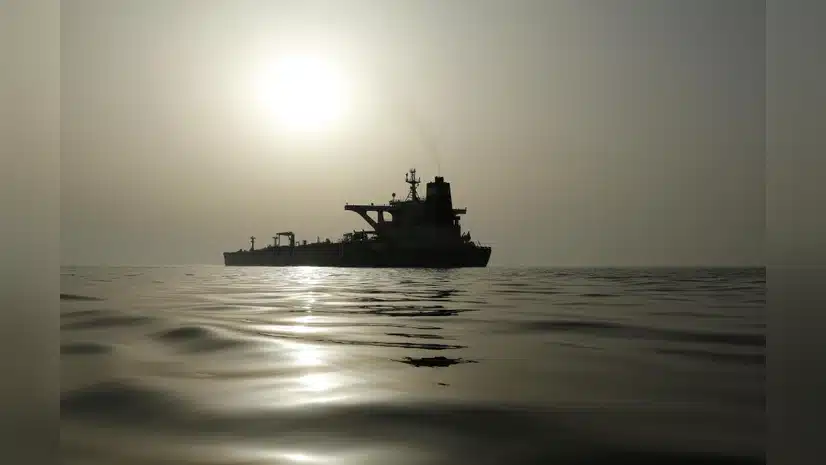
India has emerged as the largest importer of Russian oil, acquiring 5.4 million tonnes valued at approximately 2.1 billion euros from January to September 2025. This significant increase in imports comes in the wake of Western sanctions imposed on Russia following its invasion of Ukraine. A report from the Centre for Research on Energy and Clean Air (CREA) highlights the use of a “shadow fleet” of vessels sailing under false flags to facilitate these oil shipments, raising concerns about the implications for international law and environmental safety.
Shadow Fleet Operations
The CREA report reveals that 113 Russian vessels operated under false flags in the first nine months of 2025, transporting 13 percent of Russia’s crude oil exports. This amounts to 11 million tonnes of oil, valued at 4.7 billion euros. The use of aged tankers with dubious ownership and falsified registration documents has allowed Russia to bypass sanctions and continue its oil trade with countries like India, China, and Turkey. As of September 2025, the number of Russian “shadow” vessels had increased six-fold since December 2024, highlighting a troubling trend in maritime operations.
Specifically, 30 vessels were identified as transporting crude oil to India during this period. CREA confirmed that out of the 4.7 billion euros worth of oil transported on falsely flagged tankers, a significant portion—2.1 billion euros—was directed to India. This shift in sourcing marks a dramatic change for India, which has traditionally relied on Middle Eastern crude oil. The discounts offered on Russian oil have led to a surge in imports from Moscow, which now account for nearly 40 percent of India’s total crude imports.
Legal and Environmental Concerns
International maritime law mandates that vessels must fly a flag that grants legal jurisdiction. However, some countries maintain open registries, allowing foreign-owned ships to register under less stringent regulations. This loophole has been exploited by operators of the shadow fleet, raising serious legal and environmental concerns. CREA reported that 96 sanctioned vessels had flown false flags at least once in 2025, with many changing flags multiple times to evade sanctions.
The report emphasizes the risks associated with these operations, particularly regarding safety and environmental protection. Luke Wickenden, an energy analyst and co-author of the report, noted that the insurance for vessels flying false flags is void. This, combined with the age and condition of many of these tankers, poses significant risks to coastal states along their routes, especially in the event of accidents or oil spills.
Call for Global Reforms
In light of these findings, CREA has urged the European Union and the United Kingdom to spearhead global reforms to address the issue of false-flag operations. The think tank warns that such practices violate Article 94 of the UN Convention on the Law of the Sea (UNCLOS) and pose increasing environmental and security risks to European and British coastlines. Detaining these vessels could disrupt Russian oil logistics, increase operational costs, and undermine the reliability of oil flows that support Moscow’s ongoing military efforts.
Vaibhav Raghunandan, a CREA analyst, highlighted that shadow vessel operators are exploiting the regulatory weaknesses of economically vulnerable nations to gain passage rights for delivering oil. The report calls for immediate action to mitigate the risks associated with these operations and to ensure compliance with international maritime laws.
Observer Voice is the one stop site for National, International news, Sports, Editor’s Choice, Art/culture contents, Quotes and much more. We also cover historical contents. Historical contents includes World History, Indian History, and what happened today. The website also covers Entertainment across the India and World.

