

India’s National Cooperative Policy Aims to Boost Farmer Support and Governance

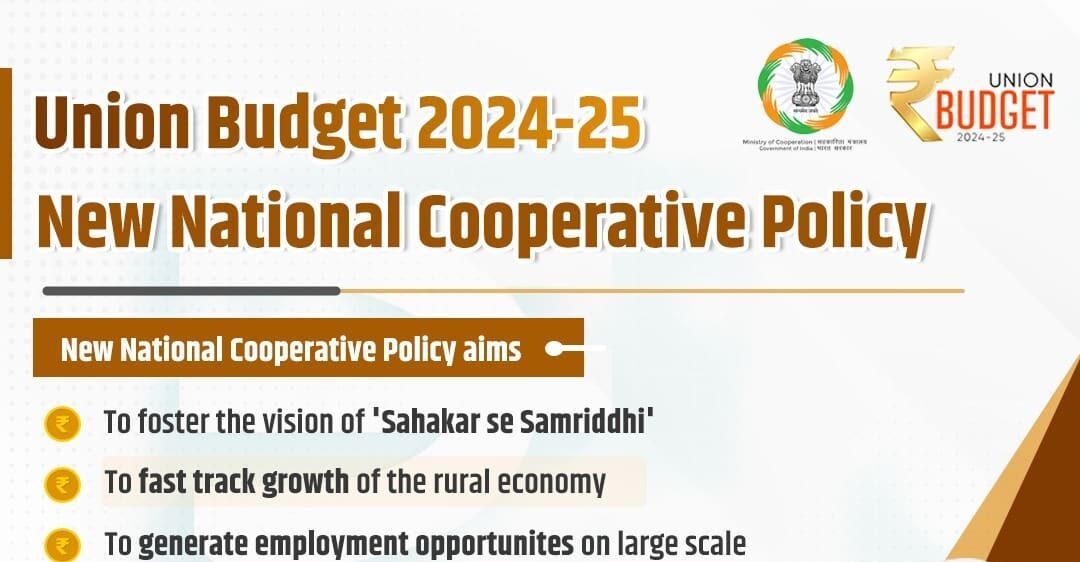
The Indian government has unveiled significant updates through the National Cooperative Policy (NCP), 2025, aimed at enhancing the governance and operational efficiency of cooperatives across the nation. The new proposals seek to fortify democracy within cooperatives, ensuring member autonomy and facilitating a more business-friendly environment.
Among the reforms, states and union territories are encouraged to amend their respective Cooperative Societies Acts to promote autonomous functioning and the democratic control of cooperatives. This includes processes for conducting free and fair elections for board directors, introducing transparent recruitment methods, and instilling robust organizational governance practices. These measures are designed to foster trust among members and improve the overall functioning of cooperative societies.
Digital Transformation and Model Bye-Laws
The NCP also advocates for the complete digitalization of registrars’ offices, requiring states to enhance online communications with cooperative societies. This shift towards digitization is expected to streamline operations and reduce paperwork.
Furthermore, the policy emphasizes the development of model bye-laws for cooperatives, focusing on member engagement and inclusivity. Key provisions include mechanisms for gathering member feedback, encouraging the participation of women and marginalized communities, and transparent decision-making processes to combat corruption.
Tribhuvan Sahkari University: A New Center for Cooperative Education
In a noteworthy development, the Tribhuvan Sahkari University will become the leading institution for cooperative education and training. It aims to establish standardized curricula and teaching methodologies across its affiliated institutions nationwide. The appointment process for the university’s first Vice-Chancellor began in early July 2025, marking a significant step towards enhancing cooperative education.
Empowering Primary Agricultural Credit Societies
The government is also making strides to integrate Primary Agricultural Credit Societies (PACS) with key central schemes like PM-KISAN, PMKSK, and PMBJK. This integration is designed to transform PACS into vital local service hubs for farmers. The Ministry of Cooperation has circulated model bye-laws enabling PACS to undertake over 25 diverse business activities, thereby improving governance, transparency, and accountability.
Several initiatives are being implemented to leverage technology and expand the functions of PACS. This includes the introduction of an ERP-enabled system to link PACS with various government databases, allowing them to provide essential services such as fertilizers, banking, healthcare, and more. Additionally, PACS are now eligible to operate petrol and diesel outlets, as well as LPG distributorships, which will empower them to enhance their economic contributions to the rural economy.
Thus far, nearly 38,330 PACS have transitioned into Pradhan Mantri Kisan Samriddhi Kendras, and over 51,183 are enabling e-services for rural citizens. As the PACS continue to evolve, the Indian government’s commitment reflects a broader strategy to bolster the agricultural sector and improve livelihoods among farmers across the country.
Observer Voice is the one stop site for National, International news, Sports, Editor’s Choice, Art/culture contents, Quotes and much more. We also cover historical contents. Historical contents includes World History, Indian History, and what happened today. The website also covers Entertainment across the India and World.
Follow Us on Twitter, Instagram, Facebook, & LinkedIn

