

India’s Electric Vehicle Surge May Reduce Oil Import Costs by Rs 1 Lakh Crore by 2030, According to SBI

Every next electric vehicle (EV) in India will not only reduce petrol consumption but also significantly lower the country’s crude oil import bill. A recent report by the State Bank of India (SBI) estimates that if EVs capture just 20% of the vehicle market by the end of this decade, India could save nearly Rs 1 lakh crore. The report anticipates that approximately 35 lakh additional EVs will replace petrol vehicles between 2027 and 2030.
The report indicates that EVs have already reached over an 8% market share in 2026. It projects that achieving a 20% share by 2030 could lead to substantial savings on the import bill. SBI noted a marked increase in the pace of EV adoption since the onset of the Middle East conflict in February 2026, which coincided with a surge in EV registrations and a higher market share for electric passenger cars, two-wheelers, and three-wheelers.
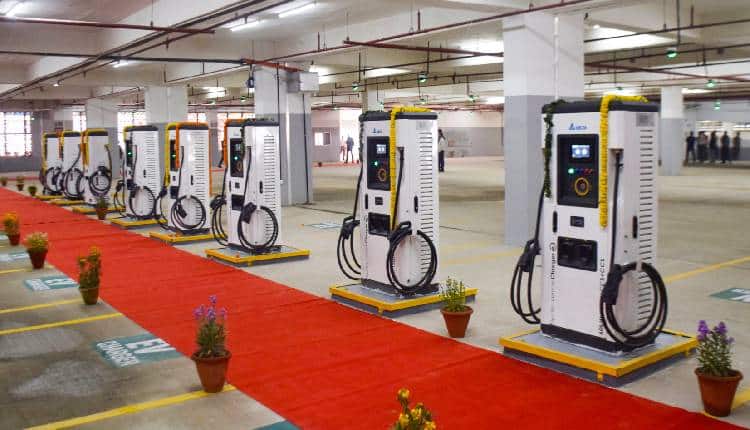
Average monthly EV registrations rose to 2.3 lakh from March to June 2026, up from 1.3 lakh in 2025, reflecting a monthly increase of around one lakh vehicles. Based on this trend, the report expects total EV registrations to exceed 25 lakh in 2026. However, SBI emphasized that charging infrastructure must keep pace with this growing demand. Currently, fast chargers make up only about 30% of the country’s charging network, highlighting the need for a broader rollout of fast-charging facilities.
To enhance the EV ecosystem, the report recommends establishing an EV Credit Guarantee Fund, providing concessional land for public charging stations, and expanding government procurement of electric vehicles. It also calls for a long-term EV roadmap spanning 10-15 years, with clearly defined goals for vehicle segments, charging infrastructure, regulatory policies, and battery manufacturing.
The report points out significant disparities in charging infrastructure across states. In some regions, a single charging station serves over 200 EVs, while in others, the ratio is closer to 50 vehicles per station. India currently has 29,151 charging stations, with Karnataka and Maharashtra accounting for 35% of the total. Tamil Nadu, Telangana, Andhra Pradesh, and Goa have a more robust fast-charging network, with fast chargers comprising over half of their total charging stations.
In a separate initiative, the Delhi government plans to install 32,000 charging points over the next four years under its new EV policy. According to SBI, the long-term success of electric vehicles in India will largely depend on the availability of adequate charging infrastructure nationwide.
Observer Voice is the one stop site for National, International news, Sports, Editor’s Choice, Art/culture contents, Quotes and much more. We also cover historical contents. Historical contents includes World History, Indian History, and what happened today. The website also covers Entertainment across the India and World.

